
CALL 24/7

The Warning Signs of Mold: When Mold Removal is Essential

When Mold Removal is Essential

How can you tell if you have mold if it’s not immediately visible? A strong, musty odor is often the first indication of mold presence, but there are several other signs that suggest you may need mold removal. By recognizing the early warning signs of mold growth, you can take proactive steps to prevent costly repairs and protect your health. If you suspect mold, it’s crucial to arrange for timely black mold removal or mold remediation.

Here are key indicators that you might have a mold problem in your home:

Clues to Mold and Mildew Growth

– Musty Odors: The smell of mold varies based on moisture sources and growth materials, but it typically has a musty, earthy scent.

– Water Leaks or Flooding: Undetected leaks from roofs or pipes can lead to mold. Regular inspections can help catch these issues early.

– Allergy or Respiratory Issues: An increase in allergy symptoms—such as coughing, wheezing, or throat irritation—could signal high mold levels in your environment.

– Toxic Poisoning Symptoms: Prolonged exposure to mold may lead to headaches, dizziness, and concentration difficulties due to the Volatile Organic Compounds (VOCs) released by mold. These VOCs can irritate the respiratory system.

– Water Stains: Discoloration on walls and ceilings, along with bulging drywall or rusty nail heads, often indicates excessive moisture and potential mold growth.

– Peeling Paint: Cracks or peeling in paint suggest moisture buildup, which can facilitate mold growth behind walls.

– Warped Wood: Saturated wood can warp and buckle, creating an ideal environment for mold to thrive.

– Black Growth in the Bathroom: Mold can often penetrate grout and thrive behind tiles in moisture-rich areas. If you notice signs of mold here, it’s time for professional mold removal.

– Visible Growth: If you can see mold, it may indicate a more extensive issue in hidden areas. Prompt inspection is essential.

Take any signs of mold growth seriously. If you suspect mold but can’t see it, consider calling a professional for a mold inspection in San Diego. They can help you avoid health risks and costly structural repairs.

At Certified Restoration, we specialize in mold remediation in San Diego, including mold damage restoration after flooding. If you have questions or need assistance with mold removal, don’t hesitate to contact us 24/7. We’re here to provide the support you need!

– George Fahouris, Director of Operations

George’s expertise in marketing and management has driven Certified Restoration’s growth and commitment to customer service. He focuses on day-to-day operations, particularly in Internet marketing and social media.


“Disclaimer: This article is for general information ONLY and is not intended to be legal, medical, or scientific advice. The proper approach to each project must be determined on a case-by-case basis. Certified Restoration always recommends that you call a certified restoration professional, especially when there are children, elderly, or individuals with health conditions residing in the property.

Why Mold Remediation is Essential for Your Health

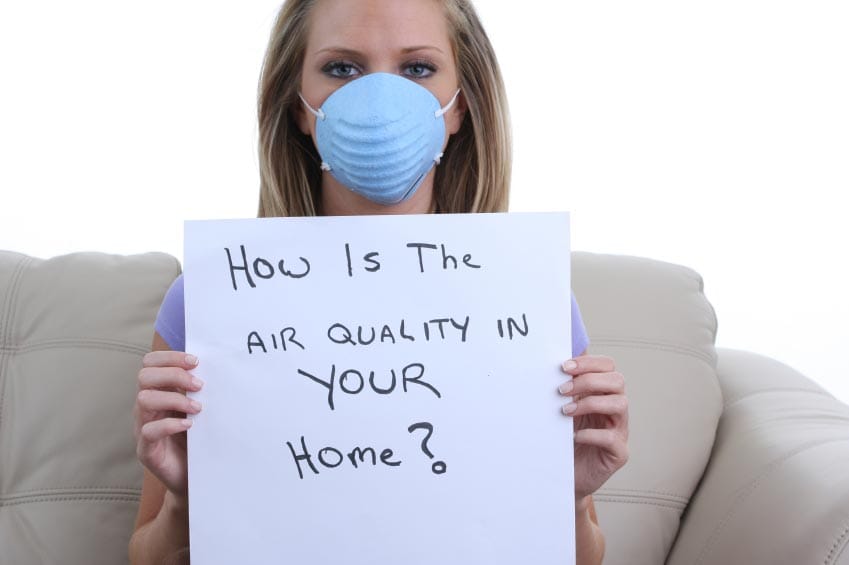
Why Mold Remediation is Essential for Your Health

September is Mold Awareness Month, making it an ideal time to address the presence of mold in your home. Even brief exposure to mold can pose significant risks—not only can it cause expensive structural damage, but its health effects can seriously impact you and your family’s well-being.

The primary culprit that invites mold is moisture, and it doesn’t take long for mold to take hold after dampness occurs. As noted in our article on how to prevent mold in your home, mold can begin to develop on damp surfaces and release spores into the air in as little as 24 to 48 hours. That’s why prompt mold remediation is crucial following any water damage.

If mold is left untreated or not addressed properly, the remediation process can quickly become costly and time-consuming. Moreover, if the underlying moisture problem isn’t resolved completely, mold is likely to return.

Common Symptoms of Mold Exposure

According to the Centers for Disease Control and Prevention (CDC), living in a damp and moldy environment can lead to various health issues. Common symptoms, which may resemble flu or allergy symptoms, include:

– Nasal stuffiness
– Headaches
– Throat irritation
– Coughing or wheezing
– Sneezing
– Runny nose
– Eye irritation
– Skin irritation

These symptoms are especially prevalent in individuals sensitive to mold. The **Institute of Medicine (IOM)** has found that indoor mold exposure can also impact healthy individuals. Even those without prior sensitivities may experience reactions due to exposure to mold spores or fragments.

Mold releases irritants, allergens, and potentially toxic substances known as mycotoxins. These can trigger allergic reactions immediately or over time. Interestingly, even dead mold can cause reactions in individuals who are not typically allergic to it. Thus, mold remediation is necessary even when no live mold is visible.

Who Is Most Sensitive to Mold?

While mold can affect anyone, certain groups are at a higher risk:

– Individuals with asthma or lung conditions
– Those with weakened or suppressed immune systems
– People with pre-existing health issues
– Infants and the elderly

People with asthma or cystic fibrosis are particularly susceptible to invasive aspergillosis, a serious condition linked to common mold types. If mold remediation isn’t conducted in a timely manner, this condition can damage lung tissue and potentially affect other organs.

The Bottom Line

If you suspect a moisture problem in your home, it’s vital to seek mold remediation as quickly as possible to protect both your property and the health of its occupants. If you experience symptoms, consult a physician to explore any underlying health issues.

For more information on mold exposure risks, check out our informative video.

— Michael Fahouris

As the founder and owner of Certified Restoration, Michael has over 20 years of experience in the cleaning and restoration industry. He has successfully completed numerous cleaning restoration and mold remediation projects, collaborating with property managers, insurance agents, and homeowners. Michael’s commitment to exceptional customer service is the foundation of Certified Restoration’s success. If you need mold removal in San Diego or water damage restoration, don’t hesitate to reach out. We’re here to help!

“Disclaimer: This article is for general information ONLY and is not intended to be legal, medical, or scientific advice. The proper approach to each project must be determined on a case-by-case basis. Certified Restoration always recommends that you call a certified restoration professional, especially when there are children, elderly, or individuals with health conditions residing in the property.

How to Prevent Mold in Your Home

How to Prevent Mold in Your Home

Understanding how to prevent mold in your home is crucial for maintaining a healthy living environment. While mold plays a natural role in our ecosystem, allowing it to thrive indoors can lead to serious health issues, including respiratory problems, sinus congestion, and irritation of the eyes, nose, or throat.

Mold spores are always present indoors and can grow on various surfaces—carpets, clothing, food, and especially in hard-to-reach areas like behind drywall, inside walls with leaking pipes, and above ceiling tiles. Mold and mildew can start to develop within 24 to 48 hours if moisture is not managed properly. If left untreated, the costs of mold remediation can escalate quickly.

Here are some essential tips on how to prevent mold in your home:

1. Keep Your Home Dry and Well-Ventilated

– Install Exhaust Fans: Use exhaust fans in moisture-prone areas like basements, bathrooms, and laundry rooms to enhance air circulation and reduce humidity.

– Shower Practices: Always run the bathroom fan or open a window during and after showers. After use, spread towels out and wipe down the shower with a clean towel or squeegee.

– Choose the Right Shower Curtain: Opt for shower curtains that are easy to clean and dry to prevent soap residue buildup, which promotes mold growth.

– Increase Air Circulation: Open windows and doors, move furniture away from walls, and use ceiling fans to improve airflow. According to the EPA, as temperatures drop, the air can hold less moisture.

2. Use Antibacterial Cleaning Products

– Clean Mildew: For mildew on durable fabric shower curtains, use a solution of ½ cup disinfectant in 1 gallon of hot water. Washing with detergent and bleach followed by rinsing is also effective.

– Upholstery Care: Take fabric and upholstery outside to brush off mildew, then clean with chlorine bleach and hot water.

– Natural Alternatives: Keep a spray bottle filled with 5% vinegar handy for a green cleaning option.

3. Monitor for Wet Spots

– Prompt Drying: Mold needs just 24 to 48 hours of moisture to begin growing. Address any seepage or leaks immediately. Dry water-damaged carpets and furniture outside if possible.

– Avoid Damp Clothes: Don’t leave wet items like clothes in the washing machine; hang them to dry in well-ventilated areas.

– Use Dehumidifiers: Utilize air conditioning units and dehumidifiers to keep indoor humidity levels low. Mold tends to thrive in temperatures above 70°F.

4. Repair Plumbing Leaks and Manage Foundation Moisture

– Check Drainage: Ensure the ground slopes away from your foundation to prevent water pooling. After heavy rain, inspect your basement or crawlspace for moisture.
– Foundation Vents: Install vents in crawlspaces to promote air circulation and moisture removal.
– Regular Gutter Maintenance: Clean roof gutters to prevent overflow, which can lead to mold growth.

Taking these proactive steps can help keep your home mold-free, safeguarding your family’s health and saving you from costly mold remediation bills. However, because mold spores are constantly in the air, complete prevention is nearly impossible, and getting rid of mold often requires professional assistance.

If you need mold removal in San Diego or have questions about water damage restoration, Certified Restoration is here to help. Contact us 24/7 for expert advice and assistance!


“Disclaimer: This article is for general information ONLY and is not intended to be legal, medical, or scientific advice. The proper approach to each project must be determined on a case-by-case basis. Certified Restoration always recommends that you call a certified restoration professional, especially when there are children, elderly, or individuals with health conditions residing in the property.
How To Dry Wet Carpet

https://www.youtube.com/watch?v=WgxrMkKMPcQ&ab_channel=CertifiedRestoration

How To Dry Wet Carpet

Mopping up a wet floor is one thing, but what do you do when your carpet is soaked? Simply letting it dry isn’t a safe or effective solution. If done improperly, wet carpet can lead to serious issues for both your flooring and your health. Excess moisture can cause the subfloor to buckle, shrink the carpet and padding, and promote mold growth—hazardous to breathe.

For area rugs, hanging them outside to dry is straightforward. However, drying wall-to-wall carpeting requires a more involved process that demands diligence and patience. Here’s a step-by-step guide to drying your wet carpet effectively:

Wet Carpet Drying Techniques

1. Clean Before Drying: If your soaked carpet is dirty, use a rented carpet cleaner to clean it thoroughly.

2. Vacuum Up Moisture: Use a wet vacuum specifically designed to remove moisture. Avoid regular vacuums, as water can damage them. Alternatively, you can use a carpet shampooer without adding water.

3. Increase Airflow: Open windows and turn on fans immediately. Ensure that ceiling and freestanding fans direct air across the wet carpet. Consider renting large industrial fans made for carpet drying from a professional carpet cleaning company. Keep these fans running until the carpet is completely dry.

4. Check the Padding: Lift a corner of the carpet to check if the padding is wet. If the pad is damp, use an industrial fan to blow air underneath it. If the subfloor is soaked, you may need to remove the carpet and pad completely. This can be heavy work, so consider cutting the pad into pieces if necessary for easier handling.

5. Clean and Dry the Floors: If you remove the wet carpet and pad, clean the bare floors with a bleach and water solution to prevent mold growth. Allow the floors to dry completely before reinstalling the carpet and padding.

While you may hope never to encounter a soaking wet carpet, if you do, be thorough in your drying efforts to avoid further damage. If you’re unsure about achieving the best results through DIY methods, reach out to Certified Restoration. We specialize in **water damage restoration in San Diego** and can provide the assistance and expertise you need.


George Fahouris

For more tips, check out our video, “Wet Carpet Drying Techniques,” for additional information on effective drying methods. If you’re also concerned about mold damage restoration, remember that Certified Restoration is here to help with all your flood and water damage restoration needs in San Diego!


“Disclaimer: This article is for general information ONLY and is not intended to be legal, medical, or scientific advice. The proper approach to each project must be determined on a case-by-case basis. Certified Restoration always recommends that you call a certified restoration professional, especially when there are children, elderly, or individuals with health conditions residing in the property. “

Certified Restoration Hits 200 Five-Star Reviews Online

Certified Restoration

Today, asthma is the most common—and most expensive—disease in the nation. The Asthma and Allergy Foundation of America reports that every day in the U.S., because of asthma 44,000 people have an asthma attack, 36,000 children miss school, 27,000 adults can’t go to work, 4,700 people end up in the emergency room, 1,200 are admitted to the hospital, and nine die. Find out asthma facts, symptoms, and prevention in our latest blog post.

Green Methods for Mold Prevention and Removal

water damage san diego

Instead of using harsh chemicals like borax or bleach for fungi removal, you can go green with environmentally friendly, natural ways to get rid of these fungi growths. This way, there won’t be any detrimental effects on family members, pets or the environment.