
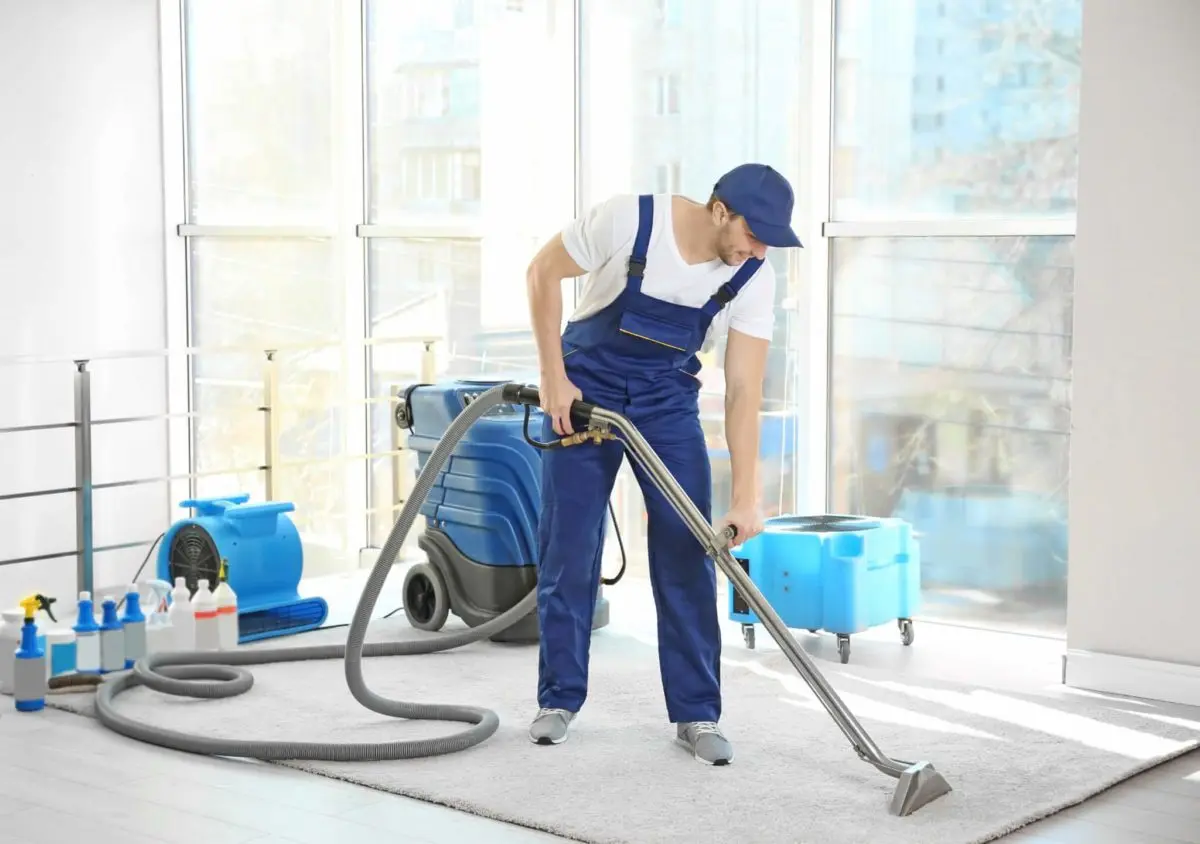
When water invades your property, carpet padding becomes one of the most problematic materials to handle during restoration. This hidden layer underneath your carpet acts like a massive sponge, absorbing water and holding moisture long after surface areas appear dry. Understanding how padding behaves during flooding helps property owners make informed decisions about water damage cleanup procedures.
Most people focus on visible carpet damage and miss the padding underneath entirely. This oversight can lead to persistent moisture problems, mold growth, and ongoing odor issues that surface weeks or months later. Professional restoration teams know that successful cleanup often depends more on addressing padding issues than treating the carpet itself.
Understanding Carpet Padding Composition
Different types of padding react to water exposure in distinct ways. Knowing what lies beneath your carpet helps predict cleanup challenges and necessary procedures.
Foam Padding Characteristics
Polyurethane foam padding, the most common type in residential properties, acts like a giant sponge when water contacts it. The open-cell structure traps moisture and holds it for extended periods, even after surface water gets removed.
Foam padding can absorb several times its own weight in water. Once saturated, it becomes extremely heavy and difficult to handle. The material also breaks down when wet, creating debris that complicates removal processes.
Fiber Padding Properties
Felt and fiber padding materials absorb water differently than foam but create their own unique challenges. These materials consist of recycled fibers pressed together, creating numerous spaces where moisture can hide.
Fiber padding tends to maintain its structural integrity better than foam when wet, but it dries much more slowly. The dense composition prevents air circulation, making thorough drying nearly impossible without professional equipment.
Rubber and Synthetic Options
Rubber and synthetic padding materials resist water absorption better than foam or fiber options. However, they still create problems during water damage cleanup because water can pool underneath them, creating perfect conditions for mold growth.
These materials might appear salvageable after water exposure, but moisture trapped beneath them often requires removal anyway to prevent ongoing problems.
Moisture Absorption and Retention Issues
Carpet padding’s location and composition make it particularly problematic during water damage events. Understanding these challenges helps explain why professional assessment becomes so important.
Absorption Rate Problems
Padding absorbs water much faster than carpet fibers themselves. When flooding occurs, padding reaches saturation while carpet surfaces might still appear relatively dry. This hidden saturation creates ongoing moisture problems that aren’t immediately obvious.
The absorption happens through direct contact with standing water and through wicking action from wet subflooring. Even minor water intrusion can saturate large areas of padding through these mechanisms.
Moisture Retention Characteristics
Once wet, padding materials retain moisture for weeks or months without proper intervention. The material’s position between carpet and subflooring prevents natural air circulation that would help drying occur.
This prolonged moisture exposure creates ideal conditions for mold, bacteria, and odor development. Professional water damage teams understand these risks and address padding issues promptly.
When Padding Removal Becomes Necessary
Several factors determine whether padding can be saved or requires replacement during restoration work. Professional assessment considers multiple variables when making these decisions.
Contamination Level Considerations
Clean water from supply line breaks might allow padding preservation in some cases, while contaminated water from sewage backups always requires complete removal. The contamination source affects both health risks and cleanup procedures.
Gray water and black water categories create serious health hazards that make padding salvage impossible. Professional teams prioritize safety over cost savings in these situations.
Saturation Extent Evaluation
Lightly dampened padding edges might respond to professional drying techniques, while fully saturated materials usually require replacement. The extent of moisture penetration determines whether restoration efforts will succeed.
Partial saturation often leads to incomplete drying and future problems. Professional teams err on the side of caution to prevent callback situations and ensure customer satisfaction.
Time Factor Impact
Padding that stays wet for more than 24-48 hours typically requires replacement regardless of contamination source. Mold growth begins quickly in these materials, making health risks unacceptable.
Quick response can sometimes save padding materials, but delays almost always make replacement necessary. This timing factor emphasizes the importance of immediate professional response.
Professional Handling Procedures
Restoration professionals use specific techniques for addressing carpet padding during water damage cleanup projects. These methods ensure thorough moisture removal and prevent future problems.
Assessment and Documentation
Professional teams start by lifting carpet sections to examine padding conditions underneath. Moisture meters provide accurate readings of saturation levels throughout affected areas.
Photos and moisture readings create documentation for insurance purposes and help track restoration progress. This information proves valuable for claims processing and quality control.
Removal Techniques
When replacement becomes necessary, professionals remove padding systematically to prevent cross-contamination. They cut materials into manageable sections and bag them immediately to contain moisture and potential contaminants.
Proper disposal follows local regulations for water-damaged materials. Some jurisdictions treat saturated padding as contaminated waste requiring special handling procedures.
Drying Strategies
In cases where padding might be salvageable, professional teams use specialized drying techniques. This involves lifting carpet, increasing air circulation underneath, and monitoring moisture levels continuously.
Dehumidification equipment removes moisture from air while fans create airflow patterns that promote evaporation. Temperature control prevents material damage while maximizing drying efficiency.
Commercial Property Considerations
Commercial properties face additional challenges with carpet padding during water damage events. Larger areas, different materials, and business continuity concerns affect restoration approaches.
Scale and Logistics
Commercial buildings often have thousands of square feet of carpeting with various padding types throughout different areas. Coordinating removal and replacement requires careful planning to minimize business disruption.
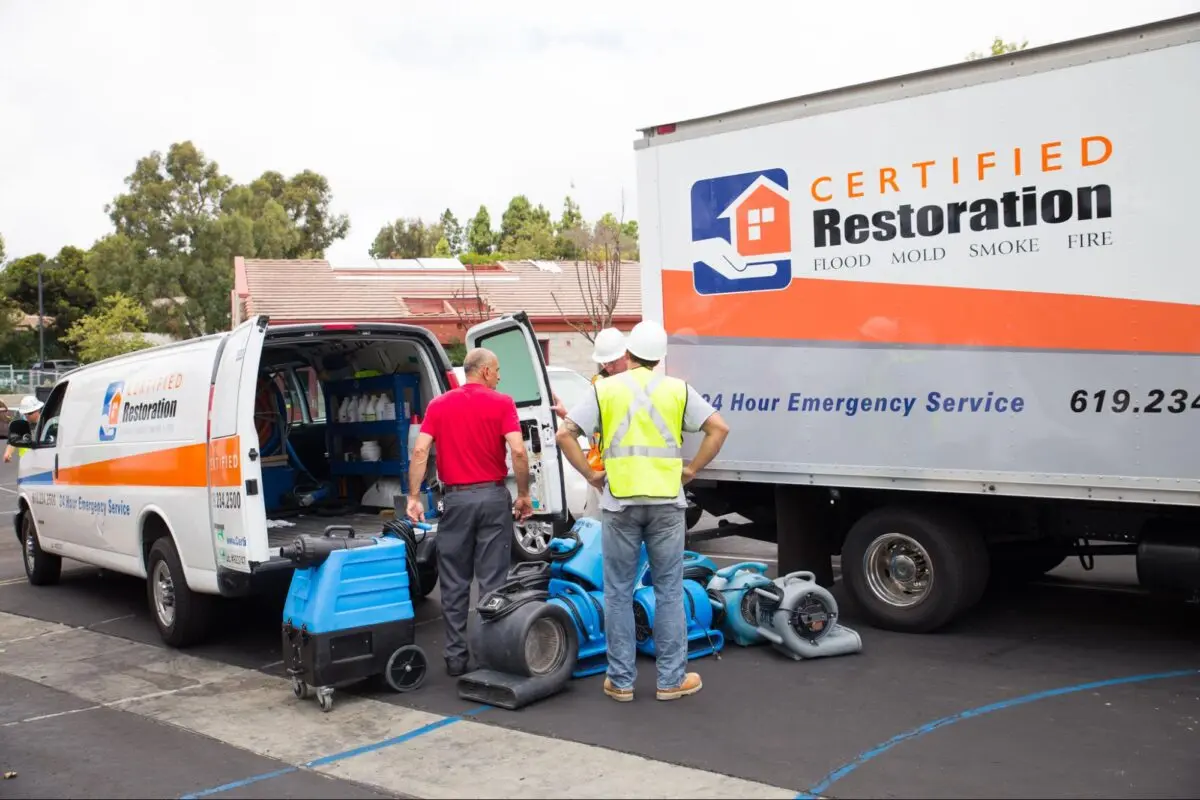
Professional teams from companies like Certified Restoration understand these challenges and develop phased approaches that keep operations running while addressing moisture problems.
Health and Safety Compliance
Commercial properties must meet stricter health and safety standards that affect padding replacement decisions. Liability concerns often make replacement the preferred option even when drying might be technically possible.
Professional teams understand regulatory requirements and help property managers make informed decisions that protect both occupants and business interests.
Prevention and Maintenance Tips
Understanding padding behavior helps property owners take steps to minimize water damage risks and improve cleanup outcomes when problems occur.
Regular carpet cleaning and maintenance can help identify moisture problems before they become serious. Professional cleaning services often notice padding issues during routine maintenance visits.
Prompt response to any water intrusion prevents padding saturation and simplifies cleanup procedures. Quick action often means the difference between minor repairs and major replacement projects.
Don’t Let Hidden Moisture Linger—Call Our Cleanup Experts Today
Carpet padding plays a critical role in water damage cleanup success, often determining whether restoration efforts succeed or fail. The material’s absorption characteristics, location, and moisture retention properties make professional assessment essential for proper restoration.
Understanding when padding requires replacement versus when drying might work helps property owners make informed decisions during restoration projects. Professional teams provide the expertise and equipment necessary for effective moisture removal and contamination prevention.
When water damage affects carpeted areas, immediate professional response protects both padding and underlying structures from permanent damage. Contact qualified restoration specialists to ensure thorough assessment and appropriate treatment of all affected materials.
Frequently Asked Questions
Can carpet padding be saved after water damage?
Padding can sometimes be saved if water exposure is minimal, contamination is clean, and professional drying begins within 24 hours. However, most water damage situations require padding replacement due to absorption characteristics and health risks. Professional assessment determines whether salvage attempts are worthwhile or if replacement provides better long-term results.
How long does wet carpet padding take to dry completely?
Wet padding typically takes 3-5 days to dry with professional equipment, but complete drying depends on material type, saturation level, and environmental conditions. Foam padding often takes longer than fiber types. Without professional equipment, padding may never dry completely, leading to mold growth and ongoing moisture problems.
What happens if wet carpet padding isn’t replaced?
Wet padding that isn’t properly dried or replaced creates ongoing moisture problems, mold growth, and persistent odors. The trapped moisture can also damage subflooring and create structural issues over time. Health risks from mold and bacteria make leaving wet padding in place dangerous for building occupants.
How much does carpet padding replacement cost compared to drying?
Padding replacement typically costs more upfront than drying attempts, but provides better long-term value and eliminates future problems. Drying costs include equipment rental and extended labor, while replacement includes material and installation costs. Professional teams help property owners weigh these options based on specific circumstances.
Can different types of carpet padding be mixed during replacement?
Different padding types shouldn’t be mixed in the same room because they have different compression characteristics and lifespans. Mixing types can create uneven carpet surfaces and premature wear patterns. Professional installers recommend using consistent padding throughout each carpeted area for best results and appearance.