
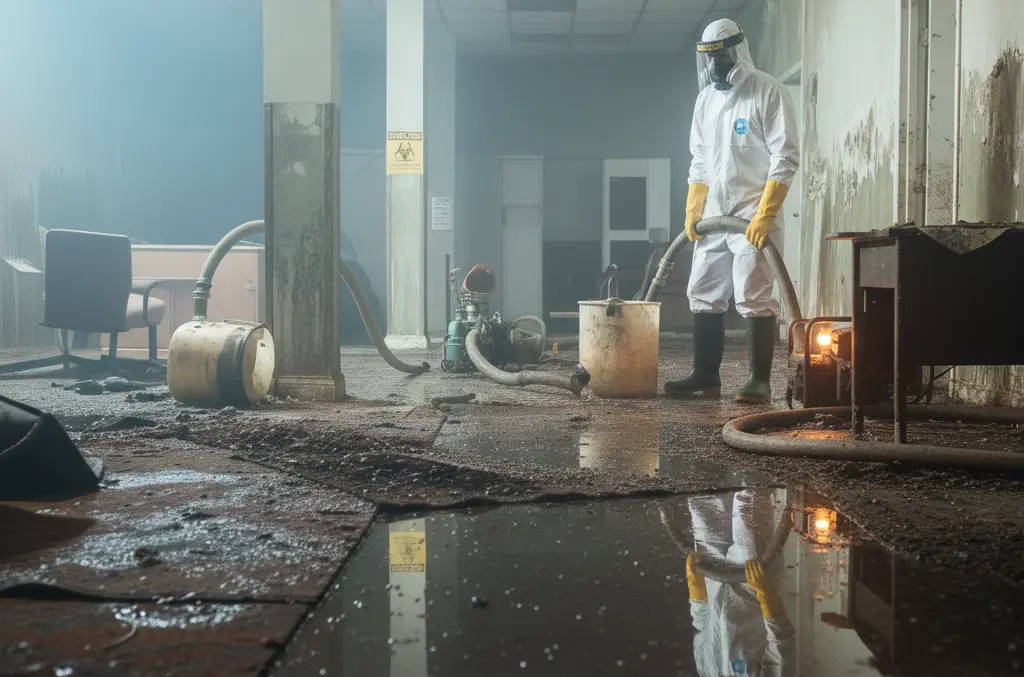
When sewage backs up into your property, the health threats extend far beyond unpleasant odors and visible mess. Sewage contamination carries some of the most dangerous pathogens found in residential and commercial settings, creating serious risks for anyone who comes into contact with contaminated materials or breathes contaminated air. Understanding these health dangers explains why professional cleanup becomes medically necessary rather than just convenient.
Raw sewage contains human waste mixed with chemicals, bacteria, viruses, and parasites that can cause severe illness or death through multiple exposure pathways. Even brief contact with contaminated surfaces or inhalation of airborne particles can result in infections requiring hospitalization and causing lasting health problems.
Bacterial Infections from Sewage Exposure
Sewage carries numerous dangerous bacteria that cause severe illness when they enter the human body through any exposure route.
E. Coli and Gastrointestinal Illness
Escherichia coli (E. coli) bacteria thrive in human intestines and appear in high concentrations in sewage. While some strains are harmless, pathogenic varieties cause severe diarrhea, abdominal cramping, and vomiting that can lead to dehydration requiring hospitalization.
Young children, elderly individuals, and people with weakened immune systems face particularly serious risks from E. coli exposure. These infections can progress to kidney failure in severe cases, creating life-threatening complications.
Salmonella and Typhoid Fever
Salmonella bacteria cause food poisoning symptoms, including fever, diarrhea, and stomach cramps that typically last several days. Some Salmonella strains cause typhoid fever, a serious illness that requires antibiotic treatment and can be fatal without proper medical care.
Sewage contamination spreads these bacteria throughout affected areas, where they survive on surfaces for days or weeks after initial exposure. Indirect contact through contaminated objects causes infections just as easily as direct sewage contact.
Shigella and Dysentery
Shigella bacteria cause dysentery with symptoms including severe diarrhea (often bloody), fever, and stomach pain. These infections spread easily between people through contaminated surfaces, making sewage exposure particularly dangerous for households with multiple occupants.
Recovery from Shigella infections can take weeks, and some people become carriers who continue spreading the disease even after symptoms resolve.
Campylobacter Infections
Campylobacter causes one of the most common bacterial infections in the United States. Symptoms include diarrhea, cramping, abdominal pain, and fever that typically appear within several days of exposure.
While most infections resolve without treatment, some develop into serious complications affecting joints, nerves, or the urinary tract. These secondary problems can persist for months or years after the initial infection.
Viral Pathogens in Sewage
Sewage contains numerous viruses that remain viable outside the human body and cause serious illness through minimal exposure.
Hepatitis A Virus
Hepatitis A attacks the liver and causes symptoms including fatigue, nausea, abdominal pain, loss of appetite, and jaundice (yellowing of skin and eyes). The illness can last several weeks or months, and severe cases require hospitalization.
This virus spreads easily through sewage contamination and remains infectious on surfaces for extended periods. Even tiny amounts of contaminated material can cause infection when accidentally ingested.
Norovirus and Gastroenteritis
Norovirus causes a sudden onset of vomiting and diarrhea that can lead to severe dehydration within hours. This highly contagious virus spreads rapidly through households and facilities after sewage exposure.
The virus remains viable on surfaces for weeks and requires very few particles to cause infection. This persistence makes a thorough professional cleanup critical for preventing ongoing transmission.
Rotavirus in Children
Rotavirus particularly affects young children, causing severe diarrhea and vomiting that can lead to dangerous dehydration. While vaccines have reduced rotavirus cases, sewage contamination still poses transmission risks in affected properties.
Infected children can become seriously ill within hours of exposure, making rapid medical attention necessary for preventing life-threatening complications.
Parasitic Organisms and Infections
Sewage carries parasites that establish long-lasting infections, causing persistent health problems requiring extended medical treatment.
Giardia Lamblia
Giardia causes persistent diarrhea, gas, stomach cramps, nausea, and dehydration that can last for weeks or months without treatment. This parasite forms protective cysts that survive outside the body for extended periods and resist standard disinfection methods.
Chronic Giardia infections cause weight loss, malnutrition, and ongoing digestive problems that significantly affect quality of life. Professional sewage cleanup addresses these resistant organisms with specialized treatment protocols.
Cryptosporidium
Cryptosporidium causes watery diarrhea that can last for weeks, particularly in people with weakened immune systems. This parasite resists chlorine disinfection and requires specific treatment approaches for elimination.
Severe infections can be life-threatening for immunocompromised individuals, making prevention through professional cleanup especially important for vulnerable populations.
Other Parasitic Threats
Sewage can contain various worm parasites including roundworms, hookworms, and tapeworms, that establish infections lasting months or years. These organisms cause diverse symptoms depending on the specific parasite and infection location.
Some parasitic infections go undiagnosed for extended periods, causing gradual health decline that affects multiple body systems over time.
Exposure Routes and Risk Factors
Understanding how sewage contamination causes illness helps explain why even indirect contact creates serious health risks.
Direct Contact Transmission
Touching contaminated surfaces, materials, or water transfers pathogens to hands where they easily reach eyes, nose, or mouth. Even wearing gloves provides inadequate protection without proper decontamination procedures.
Cuts, scratches, or other skin breaks allow direct pathogen entry into the bloodstream, bypassing normal immune defenses and causing more severe infections.
Inhalation Hazards
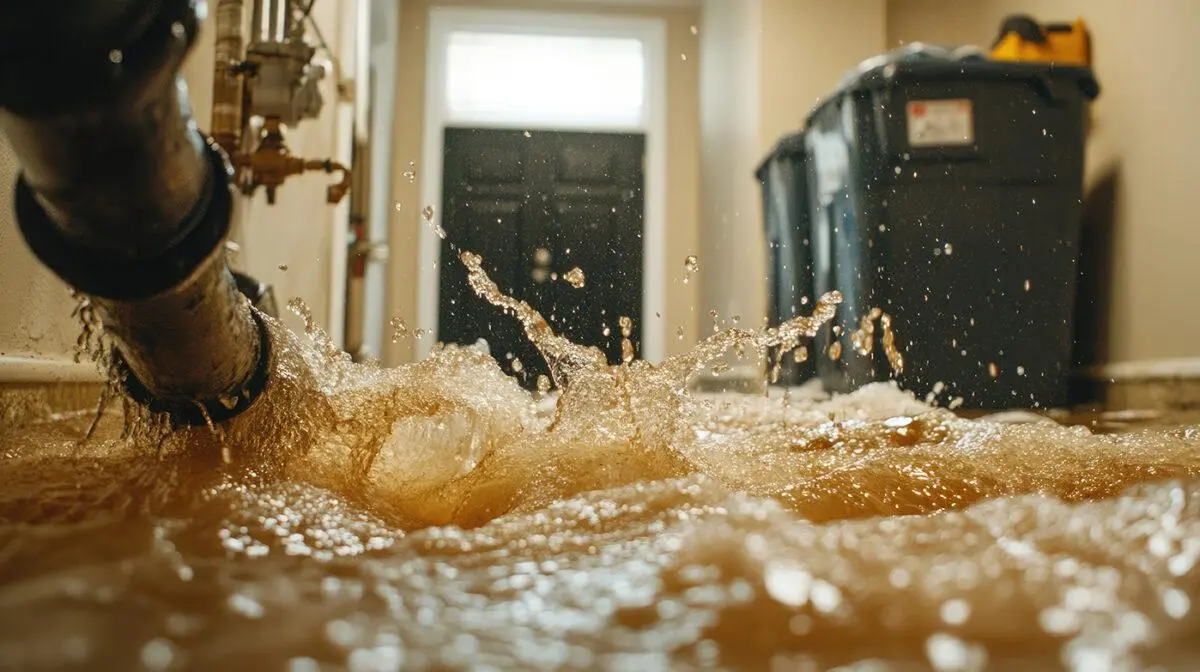
Sewage creates airborne contaminants through splashing, agitation, or natural evaporation. Breathing contaminated air introduces pathogens directly to the respiratory systems, where they cause lung infections or enter the bloodstream.
Dust from dried sewage contains concentrated pathogens that become airborne when disturbed during cleanup attempts. This dust remains infectious for extended periods after visible contamination disappears.
Indirect Contamination
Pathogens spread from contaminated areas to clean spaces through foot traffic, air currents, and contact with contaminated clothing or equipment. This cross-contamination often goes unnoticed until family members become ill from contact with seemingly clean areas.
Children and pets are particularly vulnerable to indirect contamination because they touch surfaces frequently and transfer pathogens to their mouths through normal behaviors.
Symptoms and Warning Signs
Recognizing illness symptoms after sewage exposure helps ensure prompt medical treatment that prevents serious complications.
Acute Symptom Onset
Gastrointestinal symptoms, including nausea, vomiting, diarrhea, and stomach cramps, typically appear within hours to days after exposure. Fever, chills, and body aches often accompany these digestive problems.
Respiratory symptoms like coughing, wheezing, or difficulty breathing indicate inhalation exposure requiring immediate medical evaluation.
Delayed Health Effects
Some infections cause symptoms that don’t appear for days or weeks after exposure. This delay makes connecting illness to sewage contamination difficult, potentially causing treatment delays that worsen outcomes.
Chronic infections can cause a gradual health decline with subtle symptoms that aren’t immediately recognized as related to previous sewage exposure.
Long-Term Health Consequences
Sewage contamination exposure can create lasting health problems that persist long after initial infections resolve.
Chronic Digestive Problems
Parasitic infections and severe bacterial exposure can cause ongoing digestive issues, including irritable bowel syndrome, food sensitivities, and persistent abdominal discomfort. These problems significantly affect daily life and may require long-term medical management.
Immune System Effects
Repeated or severe infections from sewage exposure can weaken immune function, making individuals more susceptible to future illnesses. This increased vulnerability persists for months or years after the initial exposure event.
Neurological Complications
Some sewage-borne pathogens affect the nervous systems, causing symptoms ranging from headaches and fatigue to more serious neurological problems. These complications can develop weeks or months after initial infection.
Why Professional Cleanup Is Medically Necessary
The health risks from sewage contamination make professional restoration services medically necessary rather than simply convenient or preferred.
Proper Pathogen Elimination
Professional cleanup uses hospital-grade disinfectants and specific application protocols that eliminate all sewage-borne pathogens effectively. Standard household cleaning products cannot provide this level of protection.
Commercial sewage cleanup requires even more stringent protocols due to the number of people potentially exposed and liability concerns for business operations.
Preventing Cross-Contamination
Professional teams use containment procedures, protective equipment, and systematic approaches that prevent contamination spread during cleanup activities. DIY attempts typically spread pathogens to previously clean areas, expanding health risks.
Complete Material Remediation
Porous materials contaminated by sewage cannot be adequately cleaned and must be removed and replaced. Professional restoration teams identify all affected materials and handle removal safely to prevent ongoing health risks.
Safety Protocol Compliance
Professional cleanup follows OSHA safety requirements and uses proper protective equipment that prevents worker exposure during restoration activities. These protocols protect both cleanup workers and property occupants.
Protecting Vulnerable Populations
Certain groups face heightened risks from sewage contamination and require extra protection measures during and after exposure events.
Children and Infants
Young children have developing immune systems less capable of fighting sewage-borne infections. Their tendency to touch surfaces and put objects in their mouths increases exposure risks significantly.
Elderly Individuals
Older adults often have weakened immune systems and underlying health conditions that make sewage-related infections more severe and difficult to treat effectively.
Immunocompromised Persons
People with compromised immune systems from medical conditions or treatments face life-threatening risks from sewage exposure. Professional cleanup becomes absolutely critical for protecting these vulnerable individuals.
Getting Back to Safe Living Conditions
After sewage contamination, returning to normal property use requires verification that all health threats have been eliminated completely.
Professional restoration includes testing and documentation that confirms complete pathogen elimination and safe conditions for reoccupancy. This verification protects occupant health and provides peace of mind that the cleanup was thorough.
Companies like Certified Restoration provide the expertise, equipment, and protocols necessary for safe sewage cleanup that protects health while restoring properties to pre-loss conditions.
Protecting Your Health Through Professional Response
Sewage contamination creates serious health risks that demand immediate professional intervention rather than DIY cleanup attempts. The bacterial, viral, and parasitic pathogens in sewage cause severe illnesses through multiple exposure pathways, making proper cleanup medically necessary for protecting occupant health.
Professional restoration services provide the specialized equipment, disinfection protocols, and safety measures needed to eliminate health threats completely while preventing contamination spread. The investment in professional cleanup protects against illnesses that can require hospitalization and cause lasting health problems affecting quality of life.
When sewage affects your property, protecting health requires professional expertise that ensures complete pathogen elimination and safe conditions for return.
Frequently Asked Questions
What are the first symptoms of sewage exposure?
Initial symptoms typically include nausea, vomiting, diarrhea, stomach cramps, and fever appearing within hours to several days after exposure. Respiratory symptoms like coughing or difficulty breathing may develop if contaminated air was inhaled. Skin irritation or rashes can appear at contact points. Seek medical attention immediately if you experience these symptoms after sewage exposure.
How long do sewage-borne pathogens remain infectious?
Sewage pathogens can survive on surfaces for days, weeks, or months, depending on the specific organism and environmental conditions. E. coli and Salmonella typically survive several days to weeks, while parasites like Giardia can remain viable for months. This persistence makes thorough professional disinfection necessary for eliminating ongoing health risks.
Can you get sick from breathing air near sewage?
Yes, breathing air contaminated with sewage particles or vapors can cause respiratory infections and introduce pathogens to your body. Airborne transmission occurs through splashing, aerosols from disturbed contaminated materials, or evaporation of contaminated water. These airborne pathogens can cause lung infections or enter the bloodstream through the respiratory tissues.
What long-term health problems can sewage exposure cause?
Long-term effects can include chronic digestive problems, weakened immune function, persistent fatigue, and neurological complications. Parasitic infections may cause ongoing symptoms for months or years without proper treatment. Some individuals develop food sensitivities or irritable bowel syndrome following severe sewage-related infections that persist indefinitely.