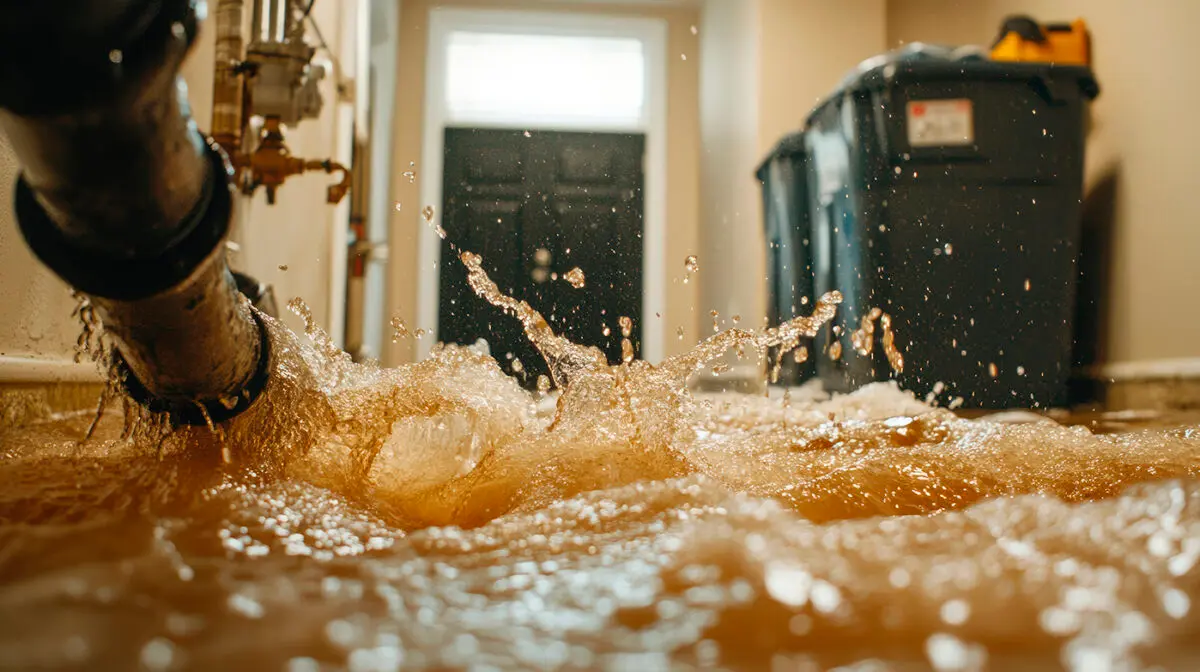
When sewage backups occur in homes, the situation demands far more than standard water cleanup procedures. Understanding why sewage backup cleanup requires specialized attention helps property owners recognize the serious health and safety concerns these situations create.
Sewage backups pose unique challenges that regular water damage restoration cannot address. The contamination, health risks, and specialized cleaning requirements set sewage situations apart from typical water damage scenarios.
What Makes Sewage Different From Clean Water
Understanding water damage categories helps explain why sewage situations require specialized attention. Water damage falls into different contamination levels, with sewage representing the most hazardous category.
Clean water from burst pipes or roof leaks creates property damage but doesn’t carry severe contamination. Gray water from sources like washing machines or showers may contain bacteria and contaminants but falls below sewage hazard levels. Black water represents the most dangerous category, including sewage backups, floods, and overflowing toilets with toxic materials.
Domestic sewage is wastewater generated from daily household activities like showering, cooking, and flushing toilets. This contaminated water contains harmful pollutants such as human waste, food scraps, and chemicals. These contaminants pose serious health and environmental risks that clean water damage does not present.
Sewage backups commonly occur from several sources. Main sewer line backups caused by tree root intrusion or blockages create hazardous conditions. Floor drain or basement drain backups bring sewage into living spaces. Septic system failures or overflow introduce contamination requiring professional cleanup. Municipal sewer system surges during heavy rain can force sewage back into properties.
While gray water situations like washing machine overflows require professional attention, they represent a step below the hazard level of true sewage backups. This contamination tier difference explains why sewage backup cleanup demands more intensive procedures than standard water damage restoration.
Understanding Contamination Risks
The contamination in sewage creates health hazards that clean water doesn’t carry. Sewage contains bacteria and harmful substances that pose serious risks to anyone exposed.
Property owners cannot safely handle sewage cleanup without proper equipment and training. Contamination spreads beyond visible sewage damage, with affected materials absorbing contaminants. Standard water cleanup methods cannot eliminate these embedded hazards.
Health Hazards Associated With Sewage Exposure
Sewage exposure creates serious health concerns for property occupants. Contact with sewage-contaminated surfaces and breathing air in sewage-damaged spaces creates exposure to harmful contaminants.
Property owners who attempt DIY sewage cleanup expose themselves to health hazards without proper protection. Incomplete decontamination leaves lingering health threats. Professional cleanup eliminates these ongoing dangers.
The Specialized Sewage Cleanup Process
Professional sewage backup cleanup follows systematic steps that address contamination thoroughly. These procedures go well beyond standard water damage restoration protocols. Each step focuses on eliminating health hazards while restoring properties.
Containment and Prevention
The first step involves containing the affected area to prevent contamination from spreading. Professional teams establish barriers to protect unaffected areas.
Sewage Disposal
Safely removing sewage requires specialized extraction equipment designed for hazardous waste removal, minimizing bacteria spread.
Contaminated Material Removal
Industry standards require removing contaminated building materials. Carpets, drywall, and insulation that contacted sewage often need complete removal because porous materials absorb contaminants that cleaning cannot eliminate.
Bio-Washing and Decontamination
Bio-washing uses high-temperature, low-pressure steam cleaning for thorough decontamination. This process kills bacteria and neutralizes hazardous substances regular cleaning misses.
Drying and Final Inspection
Professional teams set up efficient drying systems after decontamination. Thorough inspection ensures all contamination removal. E. coli testing can provide verification upon request.
Why Professional Equipment Matters
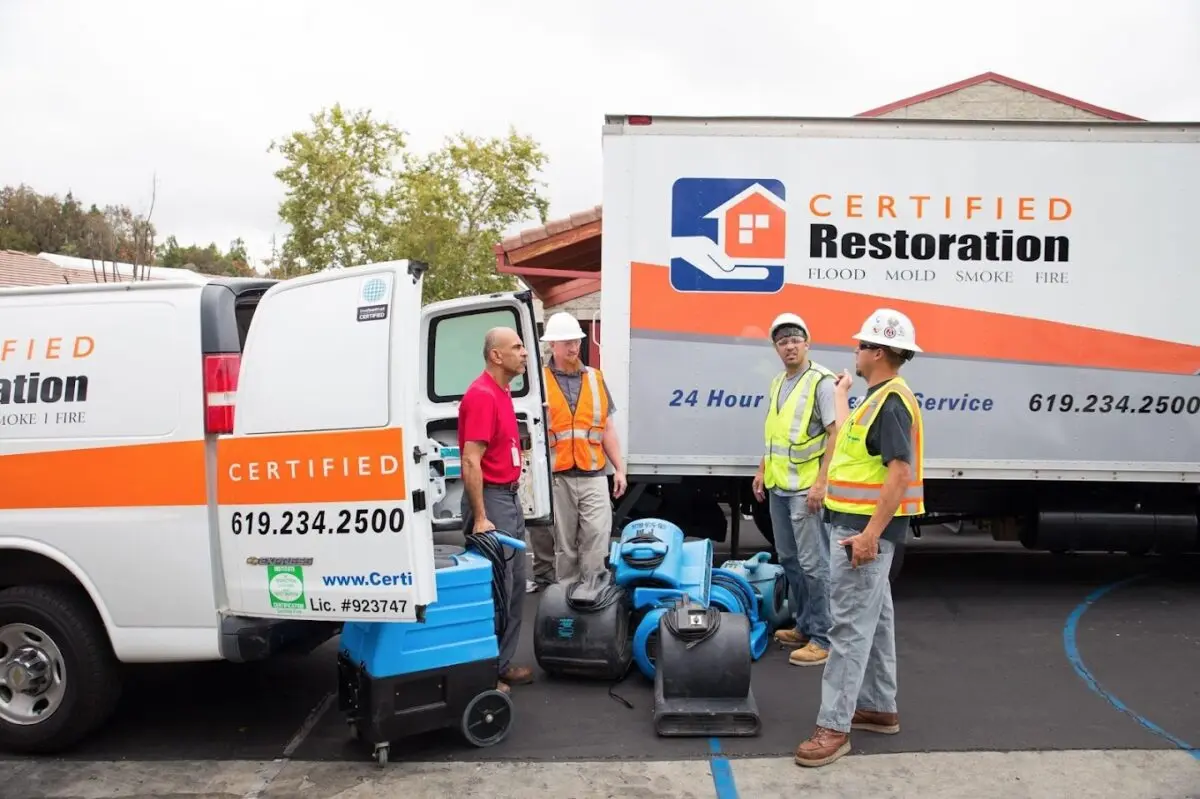
Specialized equipment sets professional sewage cleanup apart from DIY attempts. Extraction equipment for sewage differs from water removal tools. Bio-washing systems require professional-grade equipment unavailable to property owners. Personal protective equipment provides comprehensive protection that property owners don’t typically have available.
The Importance of Trained Professionals
Professional training makes the difference between safe cleanup and ongoing health risks. Trained technicians understand how sewage contaminants behave in different materials. Industry certifications demonstrate professional competency in hazardous waste handling.
Certified Restoration’s Sewage Cleanup Expertise
When sewage backups occur in San Diego properties, Certified Restoration provides professional cleanup services. The team offers 24-hour emergency service with immediate response to reduce damage and health risks.
Professional services include contaminated item removal, thorough sanitization, and complete cleaning of all impacted areas. Sewage cleanup services follow industry standards for black water situations.
Contact Certified Restoration for immediate help with sewage backup situations.
Frequently Asked Questions
Why is sewage cleanup more dangerous than regular water cleanup?
Sewage contains harmful pollutants such as human waste, food scraps, and chemicals that pose serious health and environmental risks. Unlike clean water from burst pipes, sewage brings hazardous waste into living spaces requiring complete decontamination beyond standard drying. The bacteria and contaminants in sewage can cause illness through direct contact or airborne exposure, making professional handling essential.
What makes sewage a black water situation?
Sewage is classified as black water because it contains the highest level of contamination including human waste and hazardous substances. This classification requires following industry standards for removal of contaminated building materials like carpets, drywall, and insulation. The contamination level demands specialized cleaning processes that standard water damage restoration cannot provide.
Can I clean up sewage damage myself?
Attempting DIY sewage cleanup exposes you to serious health hazards without proper protection and equipment. Professional teams use specialized extraction equipment, bio-washing systems, and protective gear unavailable to property owners. Incomplete decontamination leaves lingering health threats in living spaces, while professional cleanup eliminates these ongoing dangers through thorough sanitization and verification.
What is bio-washing and why is it necessary for sewage cleanup?
Bio-washing is a high-temperature, low-pressure steam cleaning process that thoroughly decontaminates affected areas. This specialized process eliminates contaminants at deep levels that standard cleaning methods cannot reach. The high-temperature steam kills bacteria and neutralizes hazardous substances embedded in materials, ensuring complete sanitization that regular cleaning misses.
How does Certified Restoration verify complete decontamination?
Certified Restoration performs thorough inspection to ensure all contamination removal before declaring areas safe. The team can also perform E. coli testing upon request to provide scientific verification that bacterial contamination has been eliminated. This testing gives property owners definitive proof that affected areas are safe for occupancy.
Does sewage cleanup include material removal?
Yes, industry standards for black water cleanup require removing contaminated building materials that cannot be properly decontaminated. Porous materials like carpets, drywall, and insulation that contacted sewage often need complete removal because they absorb contaminants that cleaning cannot fully eliminate. Professional assessment determines which materials need removal versus cleaning.
What happens if sewage contamination isn’t properly cleaned?
Inadequate sewage cleanup leaves harmful bacteria and contaminants in living spaces, creating ongoing health risks. Hidden contamination in materials continues to pose dangers even after visible sewage removal. Without professional decontamination using bio-washing and proper procedures, the health hazards remain present, potentially causing illness and creating unsafe living conditions.
Disclaimer: This article is for general information ONLY and is not intended to be legal, medical, or scientific advice. The proper approach to each project must be determined on a case-by-case basis. Certified Restoration always recommends that you call a certified restoration professional, especially when there are children, the elderly, or individuals with health conditions residing in the property.