
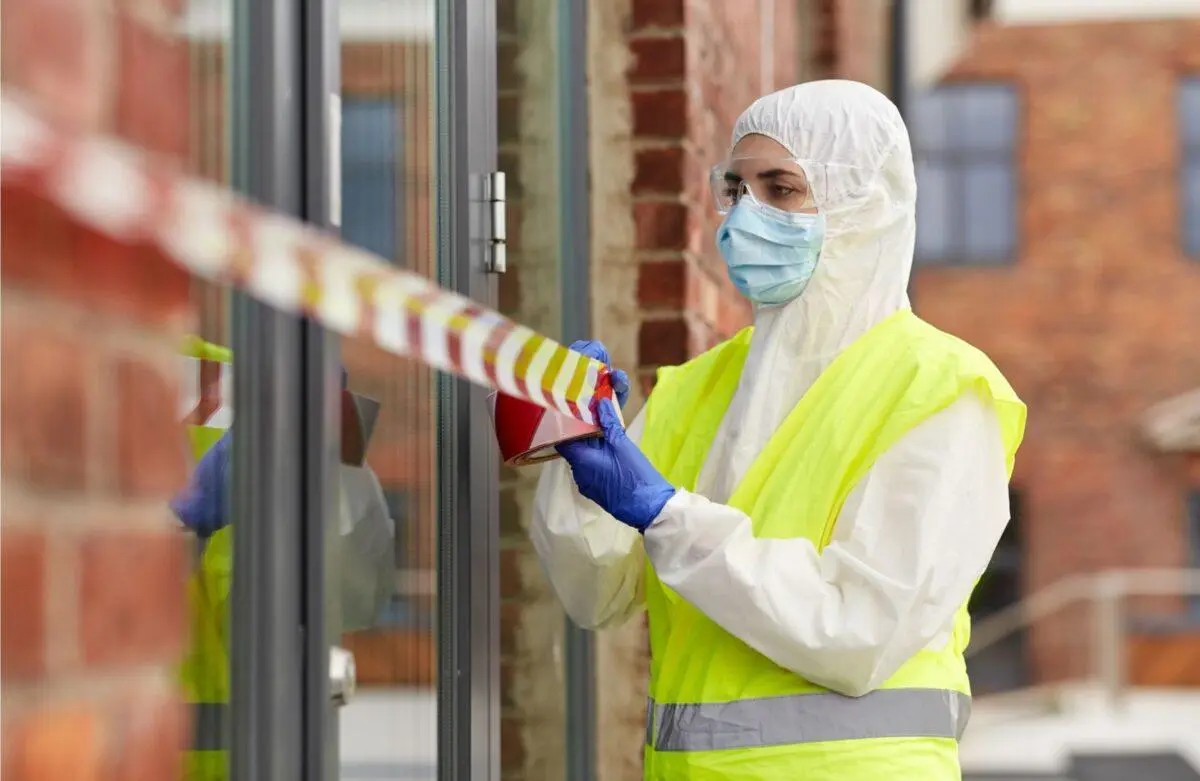
Biohazard cleanup exposes workers to some of the most dangerous contaminants found in residential and commercial settings. Blood, bodily fluids, sewage, and other hazardous materials carry pathogens that can cause serious illness or death through minimal contact. Understanding the role of personal protective equipment in biohazard cleanup explains why proper gear becomes the difference between safe restoration and dangerous exposure.
Many property owners underestimate biohazard risks and attempt cleanup with inadequate protection, like household gloves and dust masks. This approach fails to prevent pathogen exposure and can result in severe infections requiring hospitalization. Professional restoration teams use specialized protective equipment designed specifically for biohazard work that creates complete barriers between workers and dangerous contaminants.
Why Personal Protective Equipment Is Critical
Personal protective equipment serves as the primary defense against pathogen exposure during biohazard cleanup operations where contamination risks are unavoidable.
Biohazards threaten worker health through skin contact, inhalation, ingestion, and injection through cuts or punctures. Effective protection must address all these exposure routes simultaneously to prevent infection. A single breach in protective barriers can introduce pathogens directly into the body where they cause infections that might not become apparent for days or weeks after exposure.
OSHA (Occupational Safety and Health Administration) mandates specific protective equipment for anyone working with bloodborne pathogens or biohazardous materials. Professional biohazard cleanup services follow these strict requirements to protect worker health and maintain legal compliance during restoration operations.
Respiratory Protection Systems
Respiratory equipment prevents inhalation of airborne pathogens, toxic vapors, and contaminated dust particles that pose serious health threats during biohazard cleanup.
N95 and N100 Respirators
N95 respirators filter at least 95% of airborne particles and provide adequate protection for many biohazard situations involving dried contamination or minimal aerosol generation. These masks fit tightly against the face to prevent unfiltered air from entering around the edges.
N100 respirators filter 99.97% of airborne particles and offer superior protection in heavily contaminated environments. The higher filtration level provides additional safety margins in situations with unknown contamination levels.
P100 and Full-Face Respirators
P100 respirators provide 99.97% filtration and are oil-resistant, making them appropriate for situations involving petroleum products or other oil-based contaminants. These respirators protect against the widest range of airborne hazards.
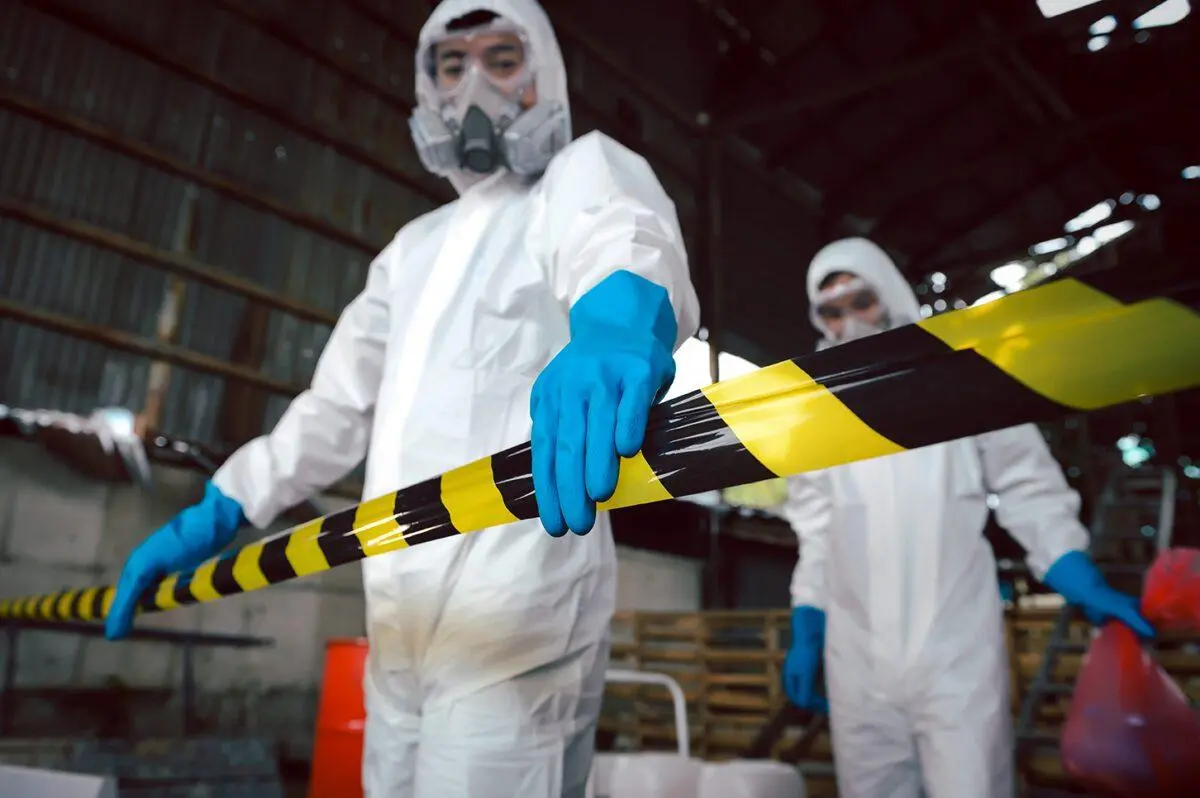
Full-face respirators protect eyes, nose, and mouth simultaneously while providing superior protection against splash contamination and airborne hazards. These units work best in heavily contaminated environments where multiple exposure routes exist.
Powered Air-Purifying Respirators
PAPR systems use battery-powered fans to draw air through filters and deliver it to the wearer under positive pressure. This design reduces breathing resistance and provides superior comfort during extended work periods while preventing contaminated air from leaking into the breathing zone.
Hand and Skin Protection
Gloves and protective clothing create barriers that prevent skin contact with biohazardous materials during cleanup operations.
Glove Selection
Nitrile gloves provide excellent protection against bloodborne pathogens while maintaining dexterity needed for detailed cleanup work. These gloves resist punctures better than latex options and don’t trigger latex allergies.
Professional personal protective equipment protocols often require double-gloving with nitrile gloves to provide redundant protection. Heavy-duty rubber or neoprene gloves protect against sharps, rough surfaces, and chemical exposure during heavy cleanup tasks.
Protective Suits
Full-body protective suits create complete barriers between workers and contaminated materials. These suits cover from neck to ankles and typically include attached hoods and boot covers.
Disposable suits made from materials like Tyvek provide adequate protection for most biohazard situations while allowing easy disposal after single use. Additional barriers like sleeve protectors and waterproof aprons provide extra protection in areas most likely to contact contamination.
Eye and Face Protection
Eyes and facial mucous membranes provide direct pathogen entry routes that require specific protection measures during biohazard work.
Chemical splash goggles seal completely around eyes to prevent liquid contamination from reaching sensitive eye tissues. Face shields protect the entire face from splash contamination while allowing clear vision and easy communication.
Full-face respirators eliminate the need for separate eye protection by integrating respiratory and eye barriers into single units. This integration simplifies equipment selection and ensures complete facial protection against both airborne and splash contamination.
Foot Protection
Proper footwear prevents contamination transfer and protects feet from physical hazards during biohazard cleanup operations.
Rubber or synthetic boots with waterproof construction prevent contaminated liquids from reaching feet during cleanup work. Chemical-resistant materials ensure that boots don’t degrade when exposed to disinfectants and cleaning solutions.
Disposable boot covers provide additional protection over regular work boots and prevent contamination transfer from work areas to clean spaces. Multiple boot cover layers allow workers to remove contaminated outer layers without exposing underlying footwear to pathogens.
Proper PPE Selection for Different Scenarios
Different biohazard situations require specific personal protective equipment combinations that match contamination risks and work requirements.
Blood and Bodily Fluid Cleanup
Blood cleanup requires gloves, eye protection, respirators, and protective suits that prevent skin contact and inhalation exposure. The specific equipment levels depend on contamination extent and whether aerosol generation is likely.
Sewage and Wastewater Contamination
Sewage cleanup demands comprehensive protection, including respirators for airborne pathogen exposure, waterproof suits for liquid contamination, and heavy-duty gloves for handling contaminated materials. The combination of bacterial, viral, and chemical hazards in sewage requires maximum protection levels.
Decomposition Situations
Decomposition cleanup requires full respiratory protection against toxic gases and airborne pathogens, complete body coverage against contaminated materials, and multiple glove layers for handling affected items. These situations often involve the highest contamination levels encountered in residential biohazard work.
PPE Donning and Doffing Procedures
Proper equipment application and removal prevents contamination transfer that undermines protective benefits.
Equipment must be put on in specific orders that ensure complete protection without creating gaps in coverage. Suits go on before gloves, with glove cuffs overlapping suit sleeves to prevent skin exposure. Respirators require fit testing and seal checks before entering contaminated areas.
Removing contaminated equipment without self-contamination requires systematic approaches that treat outer surfaces as highly contaminated. Gloves are removed by turning them inside out to contain contamination. Suits are rolled down carefully while avoiding contact between outer surfaces and skin or underlying clothing.
Equipment Maintenance and Disposal
Proper personal protective equipment care extends protection while preventing contamination spread outside work areas.
All protective equipment requires inspection before each use to identify damage that compromises protection. Tears, holes, or degraded materials must be replaced before beginning work.
Contaminated disposable equipment must be placed in biohazard bags and disposed of through licensed medical waste facilities. Professional restoration companies like Certified Restoration maintain relationships with certified disposal facilities and ensure proper documentation throughout the disposal process.
Why Professional PPE Makes the Difference
The specialized personal protective equipment used by professional biohazard cleanup teams provides protection levels that standard safety gear cannot match.
Professional restoration services invest in high-quality equipment, proper training, and systematic protocols that ensure worker safety throughout contamination cleanup operations. This expertise protects both cleanup workers and property occupants from pathogen exposure.
When biohazard situations require cleanup, professional teams bring the equipment and knowledge necessary for safe contamination removal without risking worker health. Contact qualified restoration specialists who use proper protective equipment and follow safety protocols that prevent exposure during biohazard cleanup operations.
Frequently Asked Questions
What’s the difference between N95, N100, and P100 respirators?
N95 respirators filter 95% of airborne particles and work well for general biohazard situations. N100 and P100 respirators filter 99.97% of particles, with P100 models also protecting against oil-based contaminants. Higher filtration levels provide better protection in heavily contaminated environments or when dealing with unknown hazards.
Can I reuse disposable PPE after biohazard cleanup?
No, disposable protective equipment should never be reused after biohazard exposure. These items are designed for single-use and cannot be adequately decontaminated to eliminate pathogen contamination. Reusing contaminated equipment creates serious infection risks and violates safety protocols. All disposable PPE must be properly disposed of as biohazardous waste.
Why do professional cleanup teams wear full suits for biohazard work?
Full-body suits prevent skin contact with contaminated materials and protect clothing from contamination that could expose workers or others later. Biohazards can splash, become airborne, or transfer through contact with any exposed skin surface. Complete coverage ensures no exposure pathways remain unprotected during cleanup operations.
How do I know if my respirator fits properly?
Proper fit requires professional fit testing that measures leak rates while wearing the respirator during various movements and activities. User seal checks before each use verify that the respirator is positioned correctly. You should feel resistance when inhaling with airways blocked, and the respirator should collapse slightly against your face.
What should I do if PPE becomes damaged during cleanup?
Stop work immediately and exit the contaminated area if protective equipment becomes torn, punctured, or otherwise compromised. Remove damaged equipment using proper doffing procedures and replace it with new equipment before resuming work. Never continue working with damaged PPE as this creates direct pathogen exposure risks.