
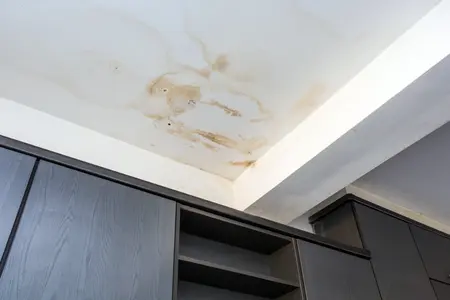
San Diego’s dry climate makes heavy rainfall feel like a rare event. But when storms hit, they can overwhelm drainage systems and catch homeowners off guard. Homes that sit unprepared often suffer water intrusion, foundation damage, and mold growth that could have been prevented.
Taking steps toward flood prevention San Diego homeowners can implement before storm season arrives protects their property and keeps them prepared. This guide covers practical measures to keep your home safe when the rain comes.
Inspect and Maintain Your Roof
Your roof is your home’s first defense against stormwater. A compromised roof allows water to enter attics, walls, and living spaces, where it causes significant damage.
Check for Visible Damage
Walk around your property and look at your roof from ground level:
- Missing, cracked, or curling shingles
- Damaged or rusted flashing around vents and chimneys
- Sagging areas that indicate underlying problems
- Debris accumulation in valleys
Address any visible issues before heavy rains arrive.
Clear Roof Debris
Leaves, branches, and other debris trap moisture against roofing materials. Clean your roof surface and pay attention to areas around skylights, vents, and other penetrations where debris tends to accumulate.
Schedule Professional Inspection
If you have not had your roof inspected recently, consider hiring a professional. They can identify problems invisible from the ground and recommend necessary repairs.
Maintain Your Drainage Systems
Proper drainage directs water away from your home’s foundation and prevents pooling that leads to flooding. When drainage fails, water damage can affect your foundation, walls, and flooring.
Clean Gutters and Downspouts
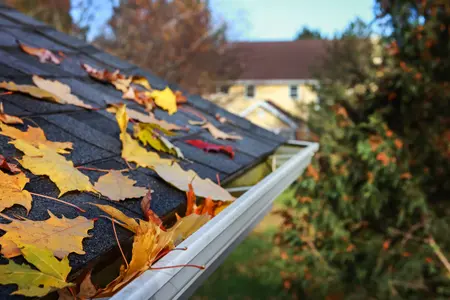
Clogged gutters overflow during heavy rain, sending water cascading down walls and pooling around your foundation. Clean gutters at least twice yearly.
When cleaning, check for:
- Leaves, twigs, and debris blocking the flow
- Loose or sagging gutter sections
- Rust, holes, or separated seams
- Downspouts directing water away from the foundation
Downspouts should extend at least three feet from your home’s foundation.
Grade Your Yard Properly
The ground around your home should slope away from the foundation. Water that pools against the foundation eventually finds its way inside. Check the grading around your home and add soil where needed.
Clear Storm Drains
If your property has storm drains or catch basins, keep them clear of debris. Blocked drains cause water to back up and flood surrounding areas during heavy rainfall. Standard flood-prevention practices for San Diego residents include regular drain maintenance before the storm season.
Protect Your Foundation
Your foundation keeps your home stable and dry. Cracks and gaps in foundation walls provide entry points for flood water.
Inspect for Cracks
Walk around your home’s exterior and look for cracks in the foundation. Small cracks can be sealed with appropriate materials from hardware stores. Larger cracks or those that appear to be growing may require professional evaluation.
Check Window Wells
Basement window wells collect debris and water. Clean them regularly and consider installing covers to keep out rain while allowing light.
Consider Waterproofing
If your basement or crawl space has a history of moisture problems, professional waterproofing treatments can provide lasting protection by creating barriers against water penetration.
Install and Maintain Sump Pumps
Sump pumps remove water that accumulates around your foundation before it can flood your basement or crawl space.
Test Your Existing Pump
If you have a sump pump, test it before storm season:
- Pour water into the sump pit until the float rises
- Verify the pump activates and removes the water
- Check that water discharges away from your foundation
A pump that fails during a storm leaves your home vulnerable.
Consider Battery Backup
Power outages often accompany heavy storms. A battery backup system keeps your sump pump running when power goes out.
Install a Pump if Needed
Homes with basements or crawl spaces in low-lying areas benefit from sump pump installation. This investment provides ongoing flood prevention San Diego homeowners find valuable during rainy seasons.
Prepare Interior Spaces
Taking steps inside your home reduces damage if water does enter during a storm.
Protect Valuables and Documents
Store important documents, photographs, and irreplaceable items in waterproof containers or raised locations. Consider keeping copies of essential documents in a secure location outside your home.
Raise Appliances and Electronics
In areas prone to flooding, raise water heaters, washers, dryers, and electrical panels above potential flood levels. Even a few inches of elevation can protect these items from water damage.
Know Your Utility Shutoffs
Learn how to shut off electricity, gas, and water in an emergency. Quick shutoffs prevent additional hazards when flooding occurs.
Install Smart Water Sensors
Modern technology alerts you the moment water appears where it should not be. Smart sensors detect moisture and notify you immediately.
Strategic Sensor Placement
Install sensors in areas most vulnerable to water intrusion:
- Near water heaters and washing machines
- Under sinks and around plumbing fixtures
- In basements and crawl spaces
- Near sump pumps and floor drains
Early detection gives you time to respond before minor leaks become major floods.
Remote Monitoring Benefits
Many smart sensor systems send alerts directly to your phone, even when you are away from home. This allows you to take action or contact help immediately when problems arise.

Create an Emergency Plan
Preparation extends beyond physical home improvements. Having a plan in place helps you respond effectively when storms arrive.
Assemble Emergency Supplies
Keep these items accessible during storm season:
- Flashlights with fresh batteries
- Battery-powered radio for weather updates
- First aid kit
- Important phone numbers, including restoration professionals
- Sandbags or water barriers if you live in a flood-prone area
Know Evacuation Routes
If your area experiences severe flooding, know how to evacuate safely. Identify multiple routes in case some roads become impassable.
Document Your Property
Take photographs or videos of your home’s contents and condition before storm season. This documentation supports insurance claims if flood damage occurs.
Professional Flood Prevention San Diego Services
When storms cause flooding despite your best prevention efforts, professional restoration services minimize damage and speed recovery.
At Certified Restoration, we help San Diego homeowners prepare for and recover from flood damage. Our smart water sensor installation detects leaks the moment they occur.
When flooding occurs, our flood restoration team arrives quickly with industrial drying tools. We remove water, complete thorough drying, and prevent mold growth that follows flood prevention San Diego failures.
We work directly with your insurance to make the claims process easier and restore your home to its pre-loss condition.
Contact Certified Restoration to learn about flood preparation and restoration services.
Frequently Asked Questions
When should I prepare my home for flood season?
Start preparation before the rainy season begins. Inspect your roof, clean gutters, test sump pumps, and address drainage issues during dry weather when repairs are easier.
How do I know if my home is at risk for flooding?
Homes in low-lying areas, near waterways, or with poor drainage face higher flood risk. Past water intrusion or foundation cracks also indicate vulnerability.
Do smart water sensors really help prevent flood damage?
Smart sensors detect water early and send immediate alerts. While they do not stop leaks, early notification allows faster response that limits damage.
What should I do first if my home floods?
Ensure everyone’s safety first. If safe, turn off the electricity and stop the water source. Document the damage with photos and contact a restoration professional.
Does homeowners insurance cover flood damage?
Standard homeowners policies typically exclude flood damage. Separate flood insurance through FEMA or private insurers provides this coverage. Check your policy to understand your protection.
Disclaimer: This article is for general information ONLY and is not intended to be legal, medical, or scientific advice. The proper approach to each project must be determined on a case-by-case basis. Certified Restoration always recommends that you call a certified restoration professional, especially when there are children, the elderly, or individuals with health conditions residing in the property.