
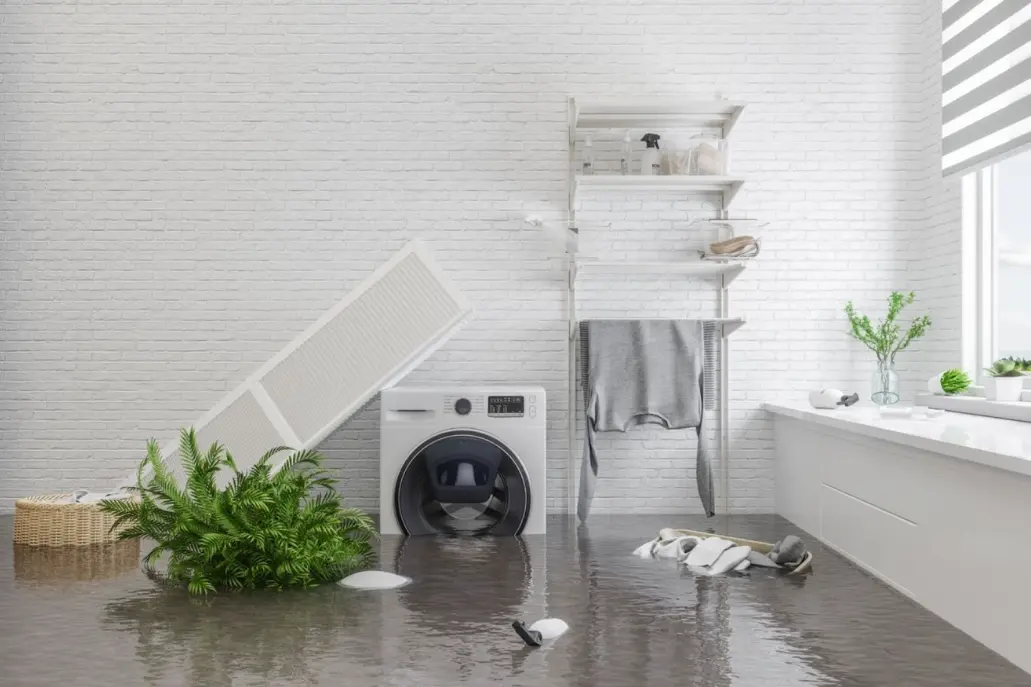
When flooding strikes your home, the actions you take on the first day can determine whether you face minor repairs or major restoration work. Flood damage restoration San Diego often depends on how quickly homeowners respond after water enters their property. Those critical first hours make all the difference.
San Diego may not see hurricanes, but flash floods from heavy rains, burst pipes, and appliance failures can still cause significant water damage. Knowing exactly what steps to take helps protect your home, your belongings, and your family’s health.
Prioritize Safety Before Entering Your Home
Your safety comes first after any flooding event. Before stepping back into your property, take precautions to avoid injury or illness.
Electrical and Gas Hazards
Water and electricity create deadly combinations. Before entering a flooded area:
- Do not enter if you see sparks, frayed wires, or smell gas
- Have a qualified electrician inspect your home before restoring power
- Turn off the gas at the main valve if you suspect damage to the gas lines
- Avoid touching electrical equipment while standing in water or on wet surfaces
Structural Concerns
Floodwater can weaken your home’s structure in ways that are not immediately visible:
- Look for sagging ceilings, warped walls, or cracks in the foundation
- Check for floors that feel soft or unstable when you walk on them
- Watch for doors and windows that no longer close properly
- If you see structural damage, stay out until a professional inspects the property
Contamination Risks
Floodwater often carries bacteria, sewage, and debris that pose health risks. Wear protective gear, including rubber boots, gloves, and eye protection, when entering flooded areas. Keep children and pets away from affected spaces, and discard any food that contacted floodwater.
Document Everything for Insurance
Before you start any cleanup, create a thorough record of the damage for your insurance claim. Flood damage restoration San Diego can be costly, and proper documentation helps ensure you receive fair compensation.
Photography and Video
Capture evidence of all affected areas:
- Take wide shots showing entire rooms and close-ups of specific damage
- Photograph water lines on walls to show maximum flood levels
- Document damaged furniture, appliances, and personal belongings
- Record video walking through each room with verbal descriptions
Written Inventory
Create a detailed list of damaged items, including make, model, and age of appliances. Keep damaged items until your insurance adjuster inspects them. Save receipts for emergency repairs.
Contact Your Insurance Company
Report the damage promptly and keep records of all communication. File your claim as soon as possible, request a claim number, and understand the difference between flood insurance and standard homeowners coverage.
When You’re Unsure About Coverage
Many claim denials happen because of how the damage is initially documented — missing photos, incomplete records, or details that get lost in the first conversation with an adjuster. If you’re not sure where to start, call Certified Restoration before you file your claim. We’ll document the damage thoroughly and accurately from the outset, so your insurance company has the complete picture from day one.
Begin Water Removal Immediately
Standing water causes more damage every hour it remains in your home. Starting removal quickly helps limit the extent of flood damage restoration San Diego properties require.
Stop the Water Source
If the flooding comes from inside your home, address the source first. Shut off the main water supply if a pipe has burst, or turn off water to specific fixtures causing the problem. For external flooding, wait until water naturally recedes before cleanup begins.
Remove Standing Water
Extract as much water as possible using available methods:
- Use a wet/dry vacuum for manageable amounts of water
- Buckets and mops work for smaller areas
- Open windows and doors to promote air circulation if the weather permits
- Remove soaked rugs, carpets, and padding that hold moisture
Protect Your Belongings
Move items to safety to prevent additional damage:
- Relocate furniture to dry areas when possible
- Raise items on blocks or move them to upper floors
- Remove wet fabrics, books, and documents to dry locations
- Separate wet items to prevent mold from spreading between them
Start the Drying Process
Thorough drying prevents mold growth and limits structural damage. Every hour counts when moisture remains in building materials.
Increase Air Circulation
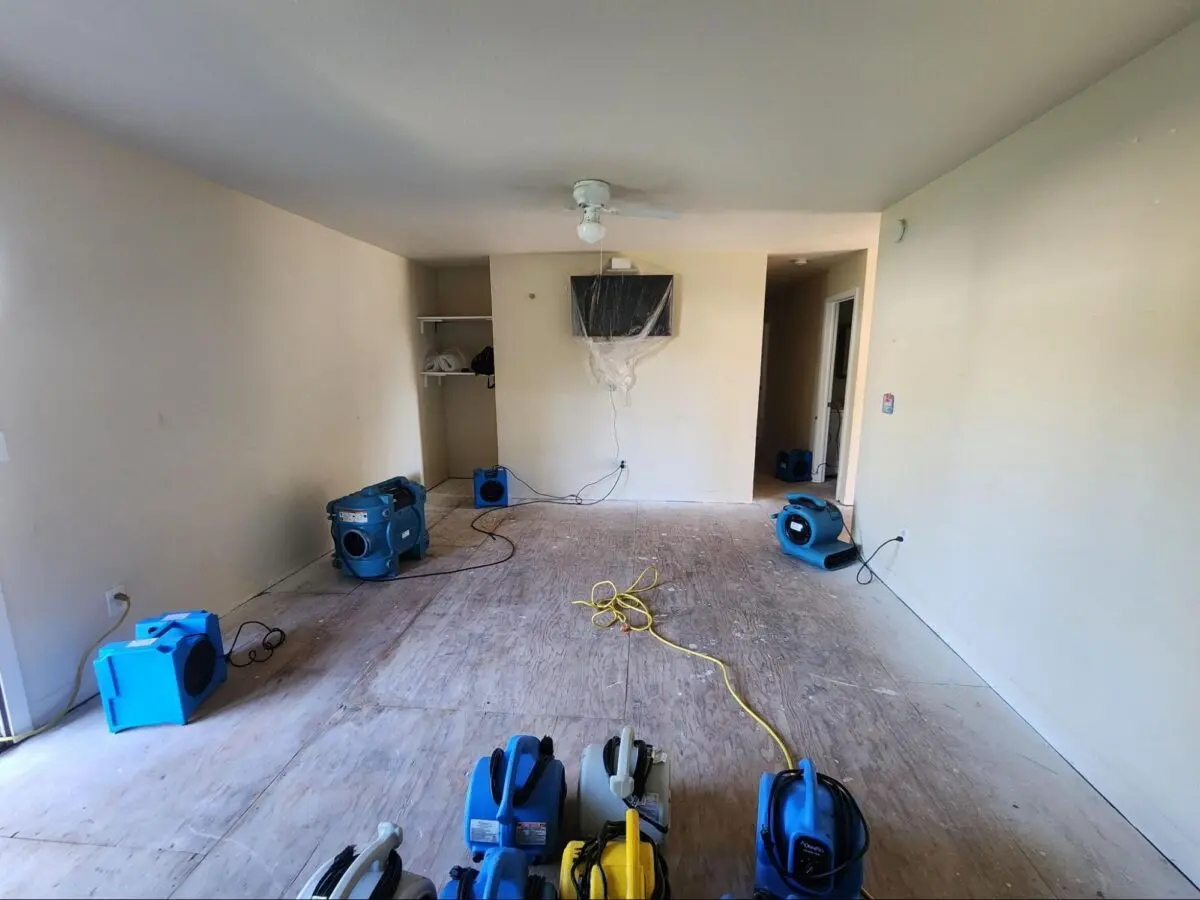
Get air moving through affected spaces by opening windows and doors when outside humidity is lower than inside. Use portable fans to direct airflow across wet surfaces and create cross-ventilation.
Control Humidity
Remove moisture from the air to speed drying. Run dehumidifiers in enclosed spaces and empty collection trays regularly. Keep interior doors open to allow air movement between rooms.
Remove Wet Materials
Some materials hold moisture and should be removed. Pull up waterlogged carpeting and padding, remove baseboards to allow wall cavities to dry, and dispose of ceiling tiles and particleboard that absorb water.
Prevent Mold Growth
Mold can start forming within one to two days of water exposure. Quick action with flood damage restoration San Diego professionals help prevent mold from taking hold.
Time-Sensitive Actions
Act quickly to stop mold before it starts. Keep affected areas as dry as possible, clean surfaces with appropriate solutions, and discard porous materials that cannot be thoroughly dried. Monitor dried areas for any signs of mold in the following days.
Recognize Early Warning Signs
Watch for indicators that mold may be developing, including musty odors, discoloration on surfaces, visible fuzzy growth, or residents experiencing respiratory symptoms.
San Diego Weather and Flood Preparedness
Understanding local conditions helps you prepare for potential flooding events.
Seasonal Considerations
San Diego faces specific flood risks from winter storms that overwhelm drainage systems. Flash floods occur quickly in low-lying areas and near canyons. Coastal areas may experience flooding during high tides combined with storms.
Preparation Steps
Reduce your risk before flooding occurs. Know your property’s flood risk and drainage patterns, keep gutters clear of debris, store important documents above potential flood levels, and have an emergency kit ready.
When to Call for Flood Damage Restoration San Diego Services
While homeowners can handle initial steps, many flood situations require professional restoration services. Contact a restoration company when you face:
- Standing water covering large areas of your home
- Contaminated water from sewage or external flooding
- Structural damage to walls, floors, or ceilings
- Signs of mold growth anywhere in your property
- Damage to electrical or HVAC systems
At Certified Restoration, we provide emergency flood restoration and water damage restoration services for San Diego homeowners. Our technicians use professional equipment to remove water, complete the drying process, and prevent mold growth.
Contact Certified Restoration when you need help recovering from flood damage.
Frequently Asked Questions
What should I do first after my home floods?
Prioritize safety by checking for electrical and gas hazards before entering. Once safe, document all damage with photos and video for insurance purposes. Then begin removing standing water and contact your insurance company.
How long do I have before mold starts growing after flooding?
Mold growth can begin in as little as one to two days after water exposure. This narrow window makes fast water removal and drying critical. The sooner you eliminate moisture, the better your chances of avoiding mold problems.
Should I throw away everything that got wet in the flood?
Not necessarily. Hard, nonporous items can often be cleaned and saved. However, porous materials like carpet padding and upholstered furniture that absorbed floodwater typically need replacement.
Does regular homeowners’ insurance cover flood damage?
Standard homeowners’ policies typically do not cover flooding from external sources. You need separate flood insurance for that coverage. However, sudden internal water damage from burst pipes may be covered.
How do I know if flood damage requires professional restoration?
Professional help is needed when you have standing water over large areas, contaminated water, structural damage, or any signs of mold. Restoration companies have commercial equipment that dries properties faster than household tools.
Disclaimer: This article is for general information ONLY and is not intended to be legal, medical, or scientific advice. The proper approach to each project must be determined on a case-by-case basis. Certified Restoration always recommends that you call a certified restoration professional, especially when there are children, the elderly, or individuals with health conditions residing in the property.