
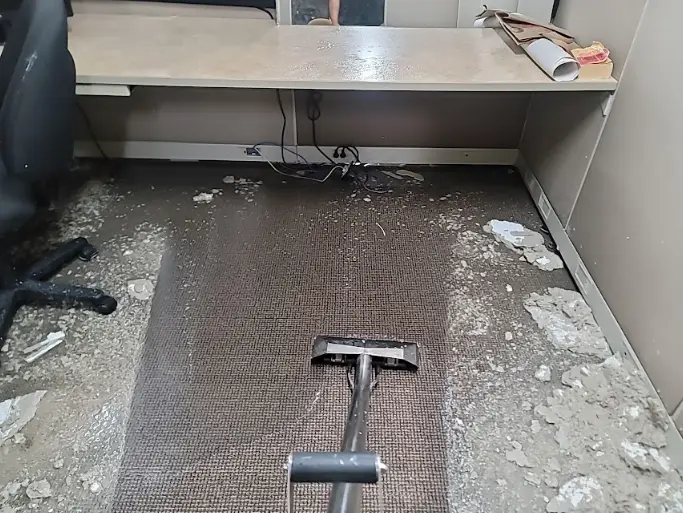
When water invades your property, time becomes your biggest enemy. Every hour that passes allows moisture to penetrate deeper into materials, creating conditions perfect for mold growth and structural damage. Property owners who understand the science behind water damage drying can prevent thousands of dollars in additional repairs.
The difference between minor water damage and major reconstruction often comes down to how quickly drying begins. Materials like drywall, insulation, and wood flooring can absorb massive amounts of water in just hours. Once saturation occurs, simple surface drying won’t solve the problem. Professional restoration teams use scientific principles and advanced equipment to remove moisture completely before permanent damage sets in.
The Science of Moisture Retention
Understanding how water behaves in building materials helps explain why speed matters so much in restoration work. Different materials absorb and release moisture at vastly different rates.
How Materials Absorb Water
Porous materials like drywall and insulation act like sponges when water contacts them. Capillary action draws moisture deep into these materials, sometimes reaching areas far from the original water source. Wood subflooring can absorb water through grain patterns, spreading moisture across large areas.
Concrete and masonry materials absorb water slowly but retain it for extended periods. Once saturated, these materials can take weeks or months to dry naturally. The moisture creates ongoing problems throughout the drying period.
Moisture Migration Patterns
Water doesn’t stay where it first lands. Gravity pulls moisture downward through floor systems, while vapor pressure pushes it upward into wall cavities. Temperature differences create convection currents that spread moisture to unexpected areas.
Understanding these patterns helps restoration professionals target drying efforts effectively. Surface water removal represents just the beginning of proper water damage drying procedures.
Critical Timing for Mold Prevention
Mold growth follows predictable timelines that make rapid response essential for preventing contamination. Scientific research shows exactly when conditions become dangerous for property occupants.
The 24-48 Hour Window
Mold spores exist everywhere in the environment, waiting for the right conditions to germinate. When moisture levels stay elevated for 24-48 hours, spores begin active growth on organic materials like wood, paper, and fabric.
This timeline gives property owners a narrow window for effective moisture removal. Professional water damage teams understand this urgency and respond accordingly to prevent mold establishment.
Exponential Growth After 72 Hours
Once mold colonies establish themselves, growth becomes exponential. Small patches can spread across entire rooms within days under favorable conditions. Removal becomes much more expensive and disruptive once extensive contamination occurs.
Temperature and humidity levels affect growth rates significantly. Warm, humid conditions accelerate mold development, while cooler, dry conditions slow it down. Professional drying creates unfavorable conditions that stop growth progression.
Health Risks from Delayed Drying
Prolonged moisture exposure creates serious health risks for building occupants. Understanding these dangers motivates quick action when water damage occurs.
Respiratory Problems
Mold releases spores and mycotoxins into indoor air that can trigger asthma attacks, allergic reactions, and respiratory infections. People with compromised immune systems face particularly serious risks from mold exposure.
Moisture also creates conditions for bacteria growth that produces additional airborne contaminants. Poor indoor air quality affects everyone in the building, not just sensitive individuals.
Structural Health Hazards
Water-damaged materials lose structural integrity over time. Rotting wood framing can create collapse risks, while damaged electrical systems pose fire and electrocution hazards.
Prolonged moisture exposure weakens building materials in ways that aren’t always visible from the surface. Professional assessment identifies these hidden dangers before they become critical safety issues.
Evidence-Based Drying Techniques
Modern restoration science uses proven methods that remove moisture efficiently while minimizing property damage. These techniques have evolved through decades of research and field testing.
Controlled Evaporation Methods
Professional drying equipment creates controlled evaporation that removes moisture without causing additional damage. Industrial dehumidifiers extract water vapor from air, while air movers increase evaporation rates from wet surfaces.
The combination of heat, airflow, and dehumidification creates optimal drying conditions. Temperature control prevents material damage while maximizing moisture removal efficiency.
Vapor Pressure Manipulation
Advanced drying techniques manipulate vapor pressure differences to draw moisture from deep within materials. This process requires precise environmental control that only professional equipment can provide.
Psychrometry, the science of air and moisture relationships, guides these processes. Technicians monitor temperature, humidity, and vapor pressure to optimize drying conditions continuously.
Professional Monitoring Tools
Accurate moisture measurement guides effective drying strategies and ensures complete moisture removal. Professional restoration teams use specialized equipment that provides precise data.
Moisture Detection Equipment
Pin-type and pinless moisture meters provide accurate readings in different materials. Thermal imaging cameras reveal moisture patterns that aren’t visible to the naked eye. These tools help technicians locate all affected areas and track drying progress.
Professional-grade hygrometers monitor environmental conditions throughout the drying process. This data helps teams adjust equipment settings for optimal results.
Documentation and Verification
Proper moisture monitoring creates detailed records that document drying progress and final results. Insurance companies often require this documentation for claims processing.
Commercial properties especially need thorough documentation to satisfy liability and regulatory requirements. Professional teams understand these needs and provide appropriate records.
Optimal Drying Timelines
Different materials require different drying approaches and timelines. Professional teams adjust their methods based on specific conditions and materials involved.
Material-Specific Requirements
Hardwood flooring might require weeks of gradual drying to prevent warping and splitting. Drywall and insulation often need replacement if saturation exceeds certain levels. Concrete structures require months for complete moisture removal in some cases.
Understanding these differences prevents additional damage from overly aggressive or insufficient drying efforts. Professional restoration companies like Certified Restoration have experience with all material types and appropriate drying methods.
Environmental Factors
Outside temperature, humidity, and weather conditions affect drying timelines significantly. Summer heat and humidity slow moisture removal, while winter heating systems can accelerate it.
Building construction details also impact drying requirements. Modern energy-efficient buildings often need different approaches than older structures with natural ventilation.
Protect Your Property with Professional Drying & Restoration
Water damage drying success depends on understanding the science behind moisture behavior and implementing proven removal techniques quickly. The 24-48 hour window for preventing mold growth makes professional response essential for protecting property and health.
Effective drying requires specialized equipment, technical knowledge, and continuous monitoring that most property owners don’t possess. Professional teams provide the expertise and resources necessary for complete moisture removal and restoration.
When water damage strikes your property, an immediate professional response makes the difference between minor repairs and major reconstruction. Contact qualified restoration specialists to protect your investment and ensure safe, thorough drying that prevents long-term problems.
Frequently Asked Questions
How quickly must drying begin after water damage occurs?
Drying should begin within 24-48 hours to prevent mold growth and minimize material damage. The sooner the process starts, the better the outcomes. Delays beyond 72 hours typically result in mold contamination and increased restoration costs. Professional teams can begin moisture removal immediately upon arrival.
What’s the difference between surface drying and professional moisture removal?
Surface drying only removes visible water, while professional moisture removal addresses water that has penetrated into materials. Professional equipment extracts moisture from inside walls, under flooring, and within insulation where regular fans and dehumidifiers can’t reach. This comprehensive approach prevents hidden moisture problems.
How long does professional water damage drying typically take?
Drying times vary based on water amount, affected materials, and environmental conditions. Simple surface water might dry in 2-3 days, while structural moisture can take 1-2 weeks. Concrete and masonry materials often require several weeks for complete drying. Professional teams provide specific timelines after initial assessment.
Can I use regular fans and dehumidifiers for water damage drying?
Regular household equipment lacks the power and precision needed for effective water damage drying. Professional equipment moves much larger volumes of air and removes moisture more efficiently. Household equipment also can’t address moisture trapped in building materials or monitor progress accurately.
How do professionals know when drying is complete?
Professional teams use moisture meters and environmental monitoring equipment to track drying progress. They take readings throughout affected areas and compare them to baseline levels in unaffected materials. Drying is complete when moisture levels return to normal ranges and remain stable over time.