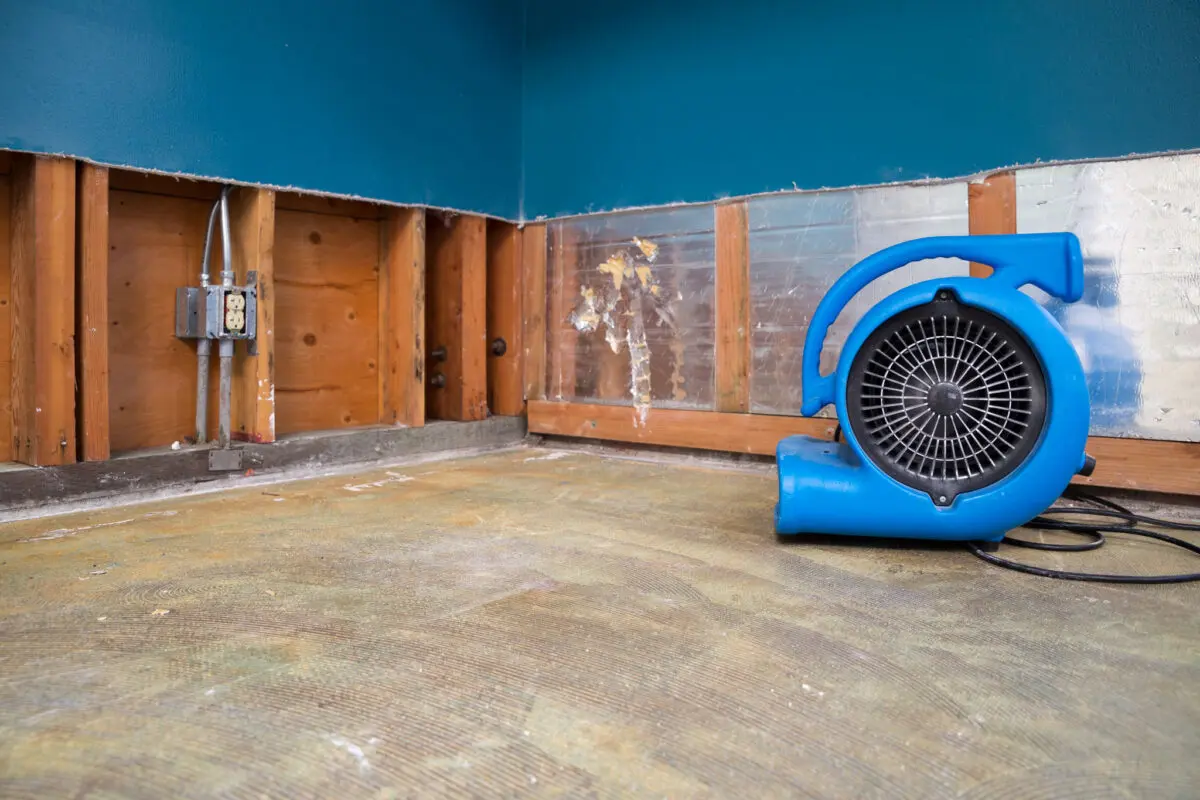
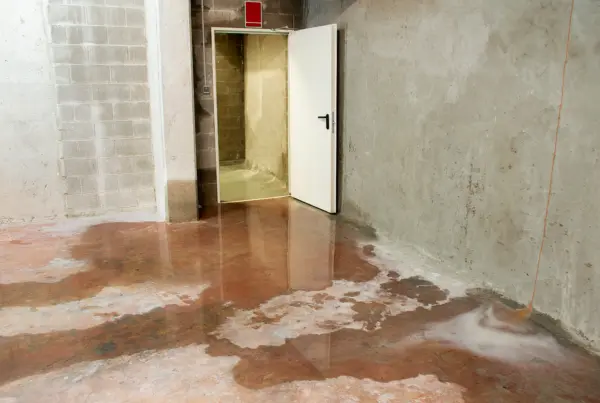
When sewage backs up into your property, the immediate impulse is to start cleaning immediately to minimize damage and restore normalcy. However, DIY sewage cleanup poses serious health risks that can have long-lasting consequences for you and your family. What appears to be a simple cleaning job actually involves handling some of the most dangerous contaminants found in residential settings.
Sewage contains a mixture of human waste, chemicals, bacteria, viruses, and parasites that require specialized handling procedures and professional-grade equipment for safe removal. Attempting cleanup without proper training, equipment, and safety protocols puts everyone in the building at risk of serious illness or infection that can persist for weeks or months.
Health Risks from Sewage Exposure
Sewage contamination creates an environment filled with dangerous pathogens that can cause severe illness through multiple exposure pathways. Understanding these risks explains why professional intervention becomes essential rather than optional.
Bacterial Infections
Raw sewage contains numerous harmful bacteria, including E. coli, Salmonella, Shigella, and Campylobacter. These organisms cause severe gastrointestinal illness, characterized by symptoms including diarrhea, vomiting, fever, and dehydration, which can require hospitalization.
Exposure occurs through direct skin contact, inhalation of contaminated droplets, or accidental ingestion from contaminated surfaces. Even small amounts of sewage can contain millions of bacterial organisms capable of causing infection.
Viral Contamination
Sewage carries dangerous viruses, including Hepatitis A, Norovirus, and Rotavirus, that remain viable outside the human body for extended periods. These viruses cause severe illness and can spread rapidly to other family members through contaminated surfaces and airborne particles.
Viral infections from sewage exposure often require weeks or months for full recovery and can cause lasting health problems in vulnerable individuals, including children, elderly people, and those with compromised immune systems.
Parasitic Organisms
Sewage contamination introduces parasites like Giardia, Cryptosporidium, and various worms that can establish infections lasting months or years. These organisms are particularly resistant to standard cleaning products and require specialized treatment for elimination.
Parasitic infections often go undiagnosed for extended periods, causing ongoing digestive problems, weight loss, and general health decline that affects quality of life significantly.
Contamination Spread Risks
DIY sewage cleanup attempts often spread contamination far beyond the original affected area due to inadequate containment and cleaning procedures. This expansion creates health risks throughout the entire property.
Cross-Contamination Issues
Without proper containment procedures, sewage contaminants spread to clean areas through foot traffic, air currents, and inadequate equipment cleaning. Clothing, tools, and personal protective equipment become contamination sources that affect previously uncontaminated spaces.
Cross-contamination often goes unnoticed until family members become ill from contact with seemingly clean areas that actually harbor dangerous pathogens from the original sewage exposure.
Inadequate Disinfection
Standard household cleaning products lack the strength and spectrum necessary to eliminate sewage-borne pathogens effectively. Many dangerous organisms survive typical cleaning attempts and continue posing health risks long after cleanup appears complete.
Proper disinfection requires specific products, contact times, and application methods that ensure the complete elimination of pathogens. Professional sewage cleanup teams understand these requirements and use hospital-grade disinfectants with proven effectiveness.
Hidden Contamination
Sewage penetrates porous materials, including drywall, insulation, carpeting, and subflooring, where household cleaning materials cannot reach. These hidden contamination areas continue to harbor pathogens and create ongoing health risks even after surface cleaning.
Professional restoration requires specialized equipment that can detect and treat hidden contamination throughout affected structures. Without this capability, dangerous pathogens remain active in concealed locations.
Equipment and Safety Requirements
Proper sewage cleanup demands specialized equipment and safety gear that most homeowners don’t possess and cannot easily obtain through retail channels.
Personal Protective Equipment
Safe sewage handling requires full-body protective suits, respiratory protection, eye shields, and waterproof gloves that create complete barriers between workers and contaminated materials. This equipment must meet specific safety standards and requires proper training for effective use.
Regular clothing and basic protective gear provide inadequate protection against sewage-borne pathogens. Exposure through inadequate protection can result in serious illness that requires extensive medical treatment.
Specialized Cleaning Equipment
Effective sewage cleanup requires industrial-grade extraction equipment, negative air machines, and specialized cleaning tools designed for biohazard handling. This equipment costs thousands of dollars and requires training for safe operation.
Household wet vacuums and standard cleaning tools are often ineffective in handling sewage contamination, as they can spread contamination rather than removing it safely. Using inappropriate equipment creates additional health risks and property damage.
Detection and Monitoring Tools
Professional sewage cleanup uses moisture meters, air quality monitors, and microbial testing equipment to verify complete contamination removal. These tools ensure that cleanup efforts achieve safe conditions before the property is reoccupied.
Without proper testing equipment, homeowners cannot verify that their cleanup efforts eliminated all contamination. Hidden pathogens continue posing health risks that may not become apparent until illness occurs.
Legal and Insurance Considerations
DIY sewage cleanup often violates local health codes and can void insurance coverage for related damages and health claims.
Health Department Requirements
Many jurisdictions require professional cleanup for sewage contamination due to public health concerns. Attempting DIY cleanup can result in code violations and forced professional remediation at additional expense.
Health departments may condemn properties with inadequate sewage cleanup, preventing occupancy until professional restoration meets safety standards. These actions create additional costs and displacement that exceed professional cleanup expenses.
Insurance Coverage Issues
Insurance policies often require professional cleanup for sewage contamination to maintain coverage for related damages and health claims. DIY cleanup attempts can void coverage and leave property owners responsible for all associated costs.
Commercial properties face additional liability concerns when sewage contamination affects employees, customers, or tenants. Professional cleanup provides liability protection that DIY efforts cannot match.
Professional Advantages
Professional sewage cleanup teams provide expertise, equipment, and safety protocols that ensure effective contamination removal while protecting occupant health.
Trained Technicians
Professional restoration technicians receive extensive training in biohazard handling, contamination control, and safety procedures. This training ensures proper cleanup techniques that effectively eliminate health risks.
Companies like Certified Restoration employ certified technicians who understand sewage cleanup requirements and maintain safety standards throughout the restoration process.
Complete Restoration Services
Professional teams provide comprehensive services, including contamination removal, structural drying, disinfection, and air quality restoration. This complete approach ensures that properties return to safe, habitable conditions.
Documentation and Verification
Professional cleanup includes detailed documentation and testing that verify the complete removal of contamination. This documentation satisfies insurance requirements and provides peace of mind for property occupants.
Time and Cost Factors
While professional sewage cleanup involves upfront costs, DIY sewage cleanup attempts often result in higher total expenses due to inadequate initial treatment, health care costs, and property damage from improper handling.
Inadequate cleanup leads to ongoing contamination problems that require professional intervention anyway, plus additional costs for property damage and health treatment that could have been prevented with proper initial cleanup.
Ensure Safe Cleanup with Trusted Professionals
DIY sewage cleanup exposes property occupants to serious health risks while often failing to address contamination effectively. The complex nature of sewage contamination requires professional expertise, specialized equipment, and safety protocols that most homeowners cannot provide.
Professional sewage cleanup protects health, ensures complete contamination removal, and provides documentation that satisfies insurance and regulatory requirements. The investment in professional services prevents much higher costs associated with inadequate cleanup attempts.
When sewage contamination occurs, protecting your family’s health requires professional intervention rather than DIY approaches. Contact qualified restoration specialists immediately to ensure safe, thorough cleanup that eliminates health risks and restores your property to safe conditions.
Frequently Asked Questions
How dangerous is it to handle sewage without proper equipment?
Sewage exposure without proper protective equipment can cause serious bacterial, viral, and parasitic infections. E. coli, hepatitis A, and Giardia are just a few of the dangerous pathogens present in sewage that can cause hospitalization and long-term health problems. Even brief exposure through skin contact or inhalation can result in severe illness.
What personal protective equipment is needed for sewage cleanup?
Safe sewage cleanup requires full-body protective suits, N95 or P100 respirators, waterproof gloves, eye protection, and waterproof boots. This equipment must meet OSHA standards for biohazard work. Regular clothing and basic gloves offer inadequate protection against sewage-borne pathogens and the spread of contamination.
Will insurance cover damages if I attempt DIY sewage cleanup?
Many insurance policies require professional cleanup for sewage contamination to maintain coverage. DIY cleanup attempts can void coverage for related damages, health claims, and liability issues. Check your policy requirements and consult with your insurance adjuster before attempting any cleanup activities.
How long do sewage-borne pathogens survive on surfaces?
Sewage pathogens can survive on surfaces for days, weeks, or even months, depending on the organism and environmental conditions. E. coli can survive several days on surfaces, while some viruses remain viable for weeks. This persistence makes thorough professional disinfection essential for completely eliminating health risks.