Fires create more than just visible damage. Even after flames are extinguished, affected properties contain hazardous materials that threaten health and safety. Understanding why biohazard cleanup after fire requires professional attention helps property owners protect themselves during stressful situations.
The Hidden Dangers Left Behind After Fires
When firefighters leave, and the smoke clears, properties appear ready for cleanup. However, fire damage creates hazardous conditions that aren’t immediately obvious.
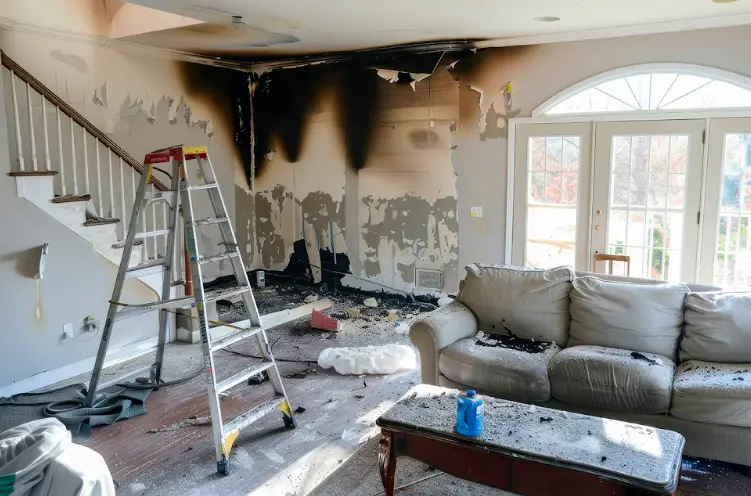
Fire damage affects more than what you can see. Ash residue covers surfaces throughout properties. Soot penetrates walls, furniture, and building materials. These substances contain hazardous components that create ongoing risks when not properly addressed.
Why Properties Remain Unsafe After Fire Suppression
Fire marshals must confirm properties are secure before anyone enters. Fire-damaged properties contain multiple hazards, including compromised electrical wiring, structural damage, and ash-containing substances that become airborne.
Handling ash and soot without proper procedures spreads contamination and increases exposure risks. These materials require specialized techniques that protect both restoration workers and property occupants.
The Complexity of Fire Damage Restoration
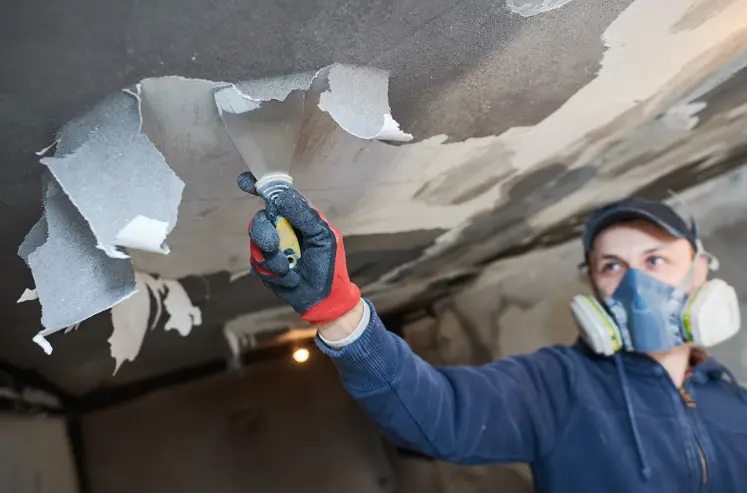
Professional fire damage restoration addresses multiple hazards simultaneously. Soot covers surfaces throughout properties and requires specialized removal techniques. Professional restoration companies use specialized tools that prevent spreading contamination.
Smoke odors penetrate materials throughout properties and indicate ongoing contamination. Professional deodorization eliminates smoke odors at their source using specialized equipment.
Firefighting efforts introduce water damage alongside fire damage. This combination creates additional hazards. Professional restoration addresses both fire and water damage simultaneously, preventing secondary problems from developing.
Professional Training for Hazardous Conditions
Restoration companies employ technicians with specialized training in handling hazardous conditions. OSHA HAZWOPER training prepares technicians to work safely in hazardous environments. Certified Restoration’s technicians possess this specialized training for safe fire damage restoration.
Professional training covers proper protective equipment use, safe handling procedures for hazardous materials, and methods that prevent contamination spread.
The Systematic Fire Restoration Process
Professional fire damage restoration follows established procedures that address all hazards systematically. Restoration begins with a comprehensive damage assessment, including structural evaluation, odor identification, and ash contamination location.
The restoration team removes soot from all affected surfaces using specialized equipment. They deodorize the space to eliminate smoke odors permanently. Professionals assess which items can be restored rather than replaced, minimizing costs.
Advanced equipment enables thorough restoration, including HEPA vacuums, specialized cleaning systems, and dehumidifiers that address water damage from firefighting efforts.
Why DIY Fire Cleanup Creates Risks
Property owners sometimes attempt fire cleanup themselves. However, household cleaning equipment cannot address fire damage properly. Standard vacuum cleaners spread fine particles into the air. Regular cleaning products don’t remove soot effectively.
Professional restoration companies use industrial equipment designed specifically for fire damage. Without proper training, individuals don’t recognize which techniques apply to different materials and damage types.
Lingering soot and ash cause corrosion over time. These substances damage materials when left untreated. Professional restoration prevents long-term corrosion by removing all contamination promptly.
Health Hazards From Fire Damage Exposure
Fire damage creates health hazards that affect anyone exposed to contaminated environments. Soot particles become airborne when disturbed and affect the respiratory systems. Without proper protective equipment, individuals cleaning fire damage expose themselves to these airborne hazards.
Ash residue creates exposure risks through contact with contaminated materials. Smoke residues linger on surfaces and affect indoor air quality. Professional deodorization and cleaning eliminate these hazards and restore safe air quality.
Working With Insurance for Fire Restoration
Professional restoration companies understand insurance requirements for fire damage claims. Proper documentation and procedures ensure claims receive appropriate coverage.
Certified Restoration works directly with insurance companies, simplifying the claims process for property owners. This experience helps ensure proper coverage for restoration work while meeting insurer requirements for documentation.
Insurance companies recognize that professional restoration protects their interests by preventing further damage and ensuring thorough cleanup. Professional documentation verifies that properties received proper treatment according to industry standards.
Protecting San Diego Properties After Fires
When fire affects your San Diego property, professional restoration protects your health and investment. Understanding that biohazard cleanup after fire requires professional expertise helps property owners make informed decisions during stressful situations.
Certified Restoration serves San Diego County with comprehensive fire damage restoration services. Our IICRC-certified team includes technicians with OSHA HAZWOPER training who safely handle hazardous conditions. We use specialized equipment for soot removal, deodorization, and complete property restoration.
Our experienced team understands that fire damage creates complex restoration challenges. We address both fire and water damage, handle hazardous materials safely, and restore properties thoroughly. From initial assessment through final restoration, we follow established procedures that protect everyone involved.
Don’t risk your health or property by attempting DIY fire cleanup. Contact Certified Restoration for professional fire damage restoration that addresses all hazards safely. Our team provides 24/7 emergency response for fire situations throughout San Diego County.
Frequently Asked Questions
Why can’t I clean fire damage myself?
Fire damage requires specialized equipment and techniques that household cleaning tools cannot provide. Soot and ash contain hazardous substances that spread when cleaned improperly. Professional restoration companies use industrial equipment designed specifically for fire damage, including HEPA vacuums, specialized cleaning systems, and professional deodorization equipment. Additionally, trained technicians understand proper handling procedures that prevent exposure to hazardous materials and avoid spreading contamination throughout properties.
What makes fire damage hazardous after flames are extinguished?
Fire damage leaves multiple hazards, including soot and ash residue containing various substances, compromised electrical wiring creating shock risks, structural damage that threatens collapse, smoke residues affecting air quality, and water damage from firefighting efforts. These combined hazards make properties unsafe until professionals complete proper restoration. Even materials that appear only superficially affected may harbor contamination that creates ongoing health risks.
How do professionals ensure fire-damaged properties are safe?
Professional restoration companies follow systematic procedures that address all fire damage hazards. IICRC-certified technicians with OSHA HAZWOPER training handle hazardous conditions safely. They use specialized equipment to remove all soot and ash contamination, eliminate smoke odors at their source, address water damage from firefighting, and verify properties meet safety standards. This comprehensive approach ensures properties are genuinely safe rather than just appearing clean on the surface.
Disclaimer: This article is for general information ONLY and is not intended to be legal, medical, or scientific advice. The proper approach to each project must be determined on a case-by-case basis. Certified Restoration always recommends that you call a certified restoration professional, especially when there are children, the elderly, or individuals with health conditions residing in the property.