Biohazard cleanup isn’t something most people think about until they need it. When accidents happen, crimes occur, or health emergencies strike, someone has to handle the aftermath safely. Regular cleaning products and methods won’t work for these situations.
What is biohazard cleanup exactly? It’s the specialized process of removing, cleaning, and sanitizing areas contaminated with blood, bodily fluids, or other potentially infectious materials. This work requires specific training, equipment, and procedures that go far beyond normal housekeeping. Professional biohazard technicians restore spaces to safe, livable conditions while protecting everyone involved from health risks.
Understanding Biohazard Cleanup Services
Biohazard cleanup involves much more than wiping up spills with bleach. These situations require systematic approaches that address contamination, health risks, and legal requirements all at once.
What Constitutes a Biohazard
Blood and bodily fluids top the list of biohazardous materials. This includes saliva, urine, feces, vomit, and any other human secretions that might carry pathogens. Tissue, organs, and anything contaminated by these substances also qualify as biohazards.
Chemical spills, drug manufacturing residue, and certain animal waste create biohazard situations too. Even items that touched contaminated areas become biohazardous themselves and need special handling.
The Cleanup Process
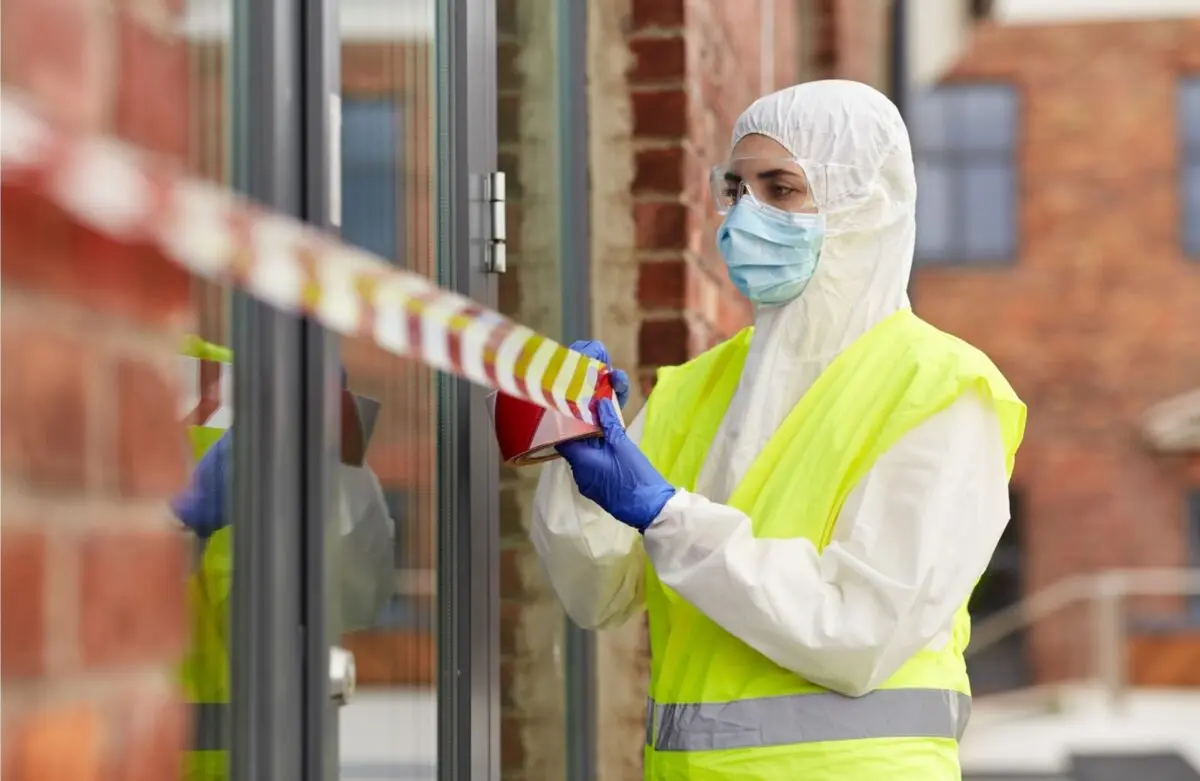
Professional teams follow strict protocols when handling these situations. They start by assessing the contaminated area and identifying all affected materials. Personal protective equipment gets distributed before anyone enters the space.
Contaminated materials get removed and disposed of according to regulations. Surfaces receive thorough cleaning with hospital-grade disinfectants designed to eliminate pathogens. Air quality gets tested and treated if necessary.
The final step involves restoring the area to its original condition whenever possible. This might include replacing flooring, repainting walls, or installing new fixtures.
Common Scenarios Requiring Professional Services
Several situations typically require biohazard cleanup services. Understanding these scenarios helps property owners recognize when to call professionals instead of attempting cleanup themselves.
Crime Scene Aftermath
Violent crimes often leave behind blood, tissue, and other biological materials that pose serious health risks. Police investigations focus on gathering evidence, not cleaning up afterward. Property owners become responsible for restoring the space safely.
Professional biohazard cleanup teams work with law enforcement to ensure evidence preservation while addressing contamination. They understand legal requirements and timing restrictions that affect cleanup procedures.
Unattended Deaths
When someone passes away alone and isn’t discovered immediately, decomposition creates serious biohazard conditions. Body fluids seep into flooring, walls, and furniture. Odors penetrate porous materials throughout the space.
These situations require complete decontamination and often extensive restoration work. Family members shouldn’t attempt this cleanup themselves, both for health reasons and emotional protection.
Hoarding Cleanup
Severe hoarding cases often involve biohazards like human waste, rotting food, dead animals, and mold growth. The accumulated materials create unsafe living conditions that require specialized cleanup approaches.
Teams must sort through belongings carefully while protecting against multiple health hazards. Structural damage from moisture and waste often complicates these projects significantly.
Infectious Disease Exposure
Certain illnesses create contamination that requires professional cleanup. Hospital-grade disinfection helps prevent disease spread to other occupants or visitors.
Tuberculosis, hepatitis, MRSA, and other serious infections might require specialized cleaning protocols. COVID-19 also falls into this category in certain circumstances.
Safety Protocols and Legal Requirements
Biohazard cleanup involves numerous regulations designed to protect workers and the public. These requirements make professional services necessary rather than optional in most cases.
Personal Protective Equipment
Cleanup teams wear full protective suits, respirators, goggles, and multiple layers of gloves. This equipment prevents contact with contaminated materials and protects against airborne pathogens.
Regular clothing and basic cleaning supplies won’t provide adequate protection. Exposure to bloodborne pathogens can cause serious illness or death.
Proper Disposal Methods
Biohazardous waste requires special containers, labeling, and disposal methods. Regular trash pickup won’t accept these materials. Medical waste companies handle transportation and destruction according to regulations.
Improper disposal can result in fines and legal liability if contamination spreads. Professional teams understand these requirements and handle all disposal aspects correctly.
Documentation and Compliance
Many situations require detailed documentation of cleanup procedures and disposal methods. Insurance claims, legal proceedings, and health department investigations might request these records.
Professional companies maintain proper documentation and certifications that satisfy regulatory requirements. This protects property owners from potential legal issues later.
Why Professional Help Is Essential
Attempting biohazard cleanup without proper training puts health and safety at serious risk. The consequences of inadequate cleaning can last for years and affect multiple people.
Health Protection
Bloodborne pathogens like hepatitis B, hepatitis C, and HIV survive outside the body for extended periods. Improper cleaning leaves these dangers in place where they can infect others.
Professional teams from companies like Certified Restoration use tested procedures that eliminate pathogens completely. Their training covers identification, containment, and elimination of various biological threats.
Complete Decontamination
Biological materials penetrate porous surfaces deeper than most people realize. Blood seeps through carpeting into subflooring and can spread along wall bases. Surface cleaning won’t address these hidden contamination areas.
Professional equipment and techniques reach contamination that regular cleaning methods miss. This prevents ongoing health risks and odor problems.
Legal Compliance
Improper cleanup can result in regulatory violations and legal liability. Professional services ensure compliance with local, state, and federal requirements governing biohazard handling.
Stay Safe—Trust Certified Experts for Biohazard Cleanup
What is biohazard cleanup comes down to specialized services that protect health and restore safety after contamination events. Crime scenes, unattended deaths, hoarding situations, and infectious disease exposure all require professional intervention rather than DIY approaches.
These situations involve serious health risks, legal requirements, and technical challenges that demand proper training and equipment. Professional teams provide complete decontamination while ensuring regulatory compliance and protecting everyone involved.
When biohazard situations occur, quick professional response prevents additional health risks and property damage. Contact qualified restoration specialists immediately to ensure safe, thorough cleanup that protects your property and health.
Frequently Asked Questions
What makes biohazard cleanup different from regular cleaning?
Biohazard cleanup requires specialized training, equipment, and procedures that regular cleaning doesn’t provide. Professional teams use hospital-grade disinfectants and full protective gear and follow strict protocols for pathogen elimination. Regular cleaning products and methods can’t eliminate bloodborne pathogens or handle contaminated materials safely.
How long does biohazard cleanup typically take?
Cleanup duration depends on contamination extent and affected materials. Simple blood spills might take a few hours, while extensive contamination from unattended deaths could require several days. Hoarding situations often take weeks due to sorting requirements and structural issues. Professional teams provide time estimates after initial assessment.
Does insurance cover biohazard cleanup costs?
Many homeowner’s and commercial insurance policies include biohazard cleanup coverage, but terms vary significantly. Some policies cover specific situations like crime scenes but not others like hoarding. Professional cleanup companies often work directly with insurance providers to determine coverage and handle claims processing.
Can family members be present during cleanup?
Safety protocols typically require family members to stay away from contaminated areas during active cleanup. Professional teams need unrestricted access to work safely and efficiently. Family members can usually return once decontamination is complete and surfaces pass safety testing.
What happens to contaminated belongings?
Porous items like clothing, bedding, and upholstered furniture usually require disposal due to contamination penetration. Hard surfaces and valuable items might be salvageable through specialized cleaning procedures. Professional teams assess each item individually and provide recommendations based on contamination levels and restoration possibilities.