
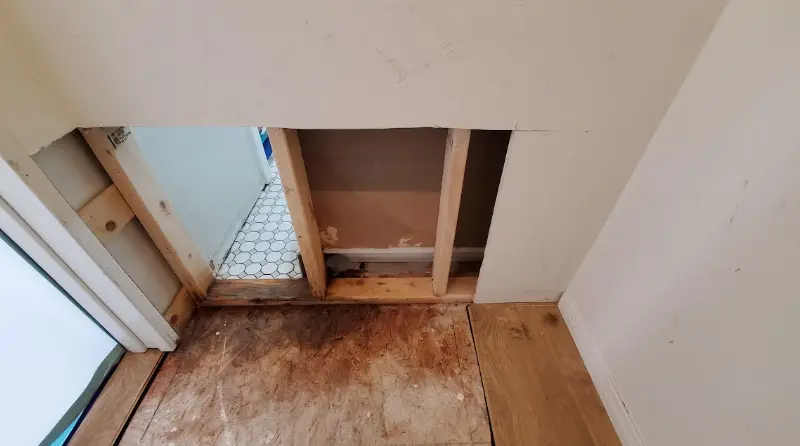
When water damage strikes your home, one of your first questions is probably “how long will this take?” The answer depends on several factors, but understanding the water damage restoration timeline helps you plan accordingly and set realistic expectations.
Every water damage situation is different. A small leak under a sink requires far less time than a flooded basement. This guide walks you through each phase of the restoration process and explains what affects how long your project will take.
Factors That Affect Your Timeline
Before diving into the phases, it helps to understand what influences how long restoration takes.
Extent of Damage
The size of the affected area directly impacts timeline. A single room dries faster than an entire floor. Water that reached multiple rooms or levels requires more equipment, more monitoring, and more time.
Water Category
Not all water damage is equal. Clean water from a burst supply line presents different challenges than contaminated water from sewage backups. Contaminated water requires additional safety protocols and more thorough cleaning, extending the water damage restoration timeline.
Materials Affected
Some materials dry quickly while others take longer. Carpet and padding dry faster than hardwood floors. Drywall absorbs water and may need replacement rather than drying. Dense materials like concrete retain moisture longer than wood framing.
Environmental Conditions
Humidity levels, temperature, and airflow all affect drying time. San Diego’s coastal humidity can extend drying periods.
Response Time
How quickly restoration begins matters significantly. Water that sits longer causes more damage. Acting fast can shorten your overall timeline.
Phase 1: Inspection and Assessment
The restoration process begins with a thorough inspection to understand what you are dealing with.
What Happens During Inspection
Technicians assess the extent of damage, identify the water source, and determine which materials are affected. Using moisture detection equipment like infrared cameras and moisture meters, they locate water in areas you might not see, including inside walls and under flooring.
This assessment also identifies safety hazards and determines which items can be salvaged versus those that need disposal.
How Long Inspection Takes
Initial assessment typically happens quickly. The time required depends on property size and damage complexity.
Phase 2: Water Extraction and Mitigation
Once assessment is complete, the immediate priority is removing standing water and preventing further damage.
What Happens During Extraction
Powerful pumps and extraction equipment remove standing water from your home. Technicians also check wet areas on walls, floors, and ceilings to ensure thorough water removal. Furniture and valuables are moved to dry areas when possible.
This phase focuses on stopping the damage from spreading. The faster water is removed, the less it can soak into building materials.
How Long Extraction Takes
Water removal is typically one of the faster phases. A flooded room takes longer than a minor leak, but the goal is removing standing water as quickly as possible.
Phase 3: Structural Drying
After visible water is gone, moisture remains in building materials. This phase removes that trapped moisture to prevent mold and structural damage.
What Happens During Drying
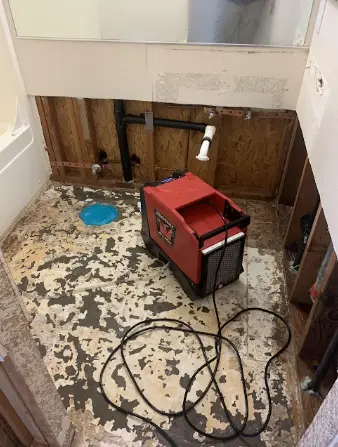
Commercial-grade dehumidifiers and air movers work to dry the affected areas. Technicians position equipment strategically and monitor moisture levels throughout the process. They adjust equipment placement as drying progresses to address stubborn areas.
This phase continues until moisture readings confirm materials have reached acceptable levels. Rushing this phase risks leaving hidden moisture that causes problems later.
How Long Drying Takes
Drying is typically the longest phase in the water damage restoration timeline. Most situations require several days of continuous drying. Factors like material types and damage extent influence duration.
Phase 4: Cleaning and Sanitizing
Once areas are dry, cleaning addresses contamination and prepares surfaces for repair.
What Happens During Cleaning
Surfaces are cleaned and sanitized to address any bacteria or contamination. This step is particularly important when dealing with grey water or black water damage. Antimicrobial treatments help prevent mold growth and protect indoor air quality.
Personal belongings that can be salvaged are also cleaned during this phase.
How Long Cleaning Takes
Cleaning duration varies based on contamination level. Minor situations may require just a day while extensive contamination takes longer.
Phase 5: Reassessment
Before repairs begin, a final assessment confirms the property is ready.
What Happens During Reassessment
Technicians verify that no hidden moisture remains and check for any signs of mold development. This step ensures problems will not develop after repairs are complete.
How Long Reassessment Takes
This step is relatively quick compared to other phases.
Phase 6: Repairs and Reconstruction
The final phase restores your home to its original condition.
What Happens During Repairs
Repair work addresses structural damage from the water event. This may include replacing drywall, flooring, ceiling tiles, insulation, or other damaged materials. Some projects require only minor repairs while others need more extensive reconstruction.
How Long Repairs Take
Repair timelines vary widely based on damage extent. Minor repairs may take days while significant reconstruction can take weeks.
Putting It All Together
For a typical water damage situation involving a single room or small area with clean water, the complete water damage restoration timeline might look like this:
- Inspection: Same day
- Water extraction: Day one
- Structural drying: Several days
- Cleaning: Overlaps with or follows drying
- Reassessment: After drying complete
- Repairs: Varies by scope
More extensive damage, contaminated water, or multiple affected areas extend each phase proportionally.
What You Can Do to Help
While professionals handle restoration, you can help by providing access to affected areas, sharing information about when damage occurred and its source, making decisions promptly, and communicating with your insurance company.
Working with Your Insurance
Most water damage restoration companies work directly with insurance providers. Certified Restoration coordinates with your insurance to document damage, provide detailed estimates, and handle claim paperwork. This coordination helps the process move forward without delays.
Why Timeline Matters
Understanding the water damage restoration timeline helps you plan for temporary living arrangements if needed, communicate with work or family, and make informed decisions. While everyone wants restoration complete quickly, rushing any phase can lead to problems like mold growth.
Contact Certified Restoration for water damage assessment and restoration in San Diego.
Disclaimer: This article is for general information ONLY and is not intended to be legal, medical, or scientific advice. The proper approach to each project must be determined on a case-by-case basis. Certified Restoration always recommends that you call a certified restoration professional, especially when there are children, elderly, or individuals with health conditions residing in the property.
Frequently Asked Questions
Can I stay in my home during water damage restoration?
This depends on damage extent and location. Minor damage in one area may allow you to remain in unaffected parts of your home. Extensive damage, contaminated water, or situations requiring electrical shutoff may require temporary relocation. Your restoration team advises based on your specific situation.
Why does drying take so long?
Materials like drywall, wood framing, and concrete absorb water deeply. Surface-level drying happens quickly, but moisture trapped inside materials takes longer to extract. Thorough drying prevents mold growth and structural damage that would cause bigger problems later.
Does insurance cover water damage restoration?
Many homeowner policies cover sudden water damage from sources like burst pipes or appliance failures. Coverage depends on your specific policy and the cause of damage. Your restoration company helps document damage for your claim.
What happens if restoration is delayed?
Delayed response allows water to spread further and soak deeper into materials. Mold can begin developing within a day or two of water exposure. Prompt action limits damage extent and can shorten your overall restoration timeline.
How do I know when drying is complete?
Professional restoration teams use moisture meters to measure water content in building materials. Drying continues until readings confirm materials have reached industry standards. This scientific approach ensures thorough drying rather than relying on how things look or feel.