
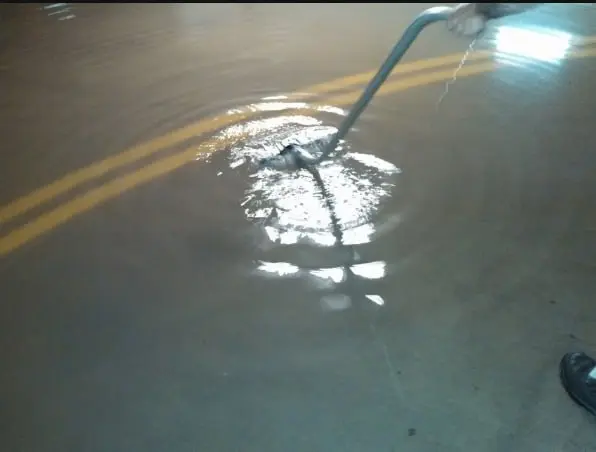
Natural disasters can strike without warning, leaving homeowners facing significant property damage. Water damage restoration after a natural disaster requires quick action and careful planning to protect both your health and your home. Whether flooding comes from storms, heavy rain, or other weather events, knowing what steps to take can make a major difference in your recovery.
If you are dealing with flooding right now, call Certified Restoration at (619) 234-2500. We are available 24/7 for emergency response.
San Diego residents may not face hurricanes like other regions, but flash floods, heavy rains, coastal flooding, and high surf still pose real threats. Understanding the restoration process helps you respond effectively when disaster strikes and minimizes long-term damage to your property.
Safety First: Protecting Yourself After Disaster
Your safety matters more than any belongings. Before entering a flood-damaged home, you need to assess potential hazards that could cause serious injury.
Electrical and Structural Hazards
Water and electricity create dangerous conditions. The CDC recommends turning off power to flooded areas before entering. If you cannot safely reach the electrical panel, contact your utility company for assistance.
Look for these warning signs before going inside:
- Sagging ceilings or warped walls
- Cracks in the foundation
- Loose lumber or exposed nails
- Standing water near electrical outlets
- Gas odors indicating potential leaks
If you notice structural damage, stay out until a professional inspects the building. Your home may be compromised in ways that are not immediately visible.
Personal Protective Equipment
When beginning any cleanup efforts, wear appropriate protective gear. This includes sturdy waterproof boots, heavy gloves, safety goggles, and an N-95 respirator mask. Floodwater often contains sewage, bacteria, and other contaminants that pose health risks through skin contact or inhalation.
Understanding Water Damage Categories
Not all water damage is the same. Restoration after a disaster depends heavily on the type of water involved, which determines cleanup procedures and health risks.
Clean Water Damage
This comes from rain or broken supply lines. While less hazardous than other categories, clean water still causes significant damage if not addressed quickly. Materials can warp, swell, and begin growing mold within one to two days.
Gray Water Damage
Gray water contains some contaminants from sources like washing machines, dishwashers, or toilet overflow without sewage. This water requires more careful handling and thorough disinfection during cleanup.
Black Water Damage
The most dangerous category, black water comes from sewage backups, flooding from rivers or streams, or standing water that has become heavily contaminated. According to FEMA guidance, this type of water carries serious health risks and often requires professional remediation.
Immediate Steps After Water Damage
Taking quick action limits damage and reduces restoration costs. Here’s what to do once authorities confirm your area is safe to enter.
Document Everything
Before moving or discarding anything, photograph and video all damage thoroughly. This documentation proves essential for insurance claims. Capture wide shots of each affected room plus close-ups of damaged items, walls, floors, and belongings.
Contact Your Insurance Provider
Reach out to your insurance company as soon as possible. Many policies have specific timeframes for reporting damage. Ask about coverage details, claim procedures, and whether they recommend specific restoration contractors.
Stop Additional Water Entry
Seal broken windows and damaged roof sections with tarps or plastic sheeting to prevent further water intrusion. If rain continues, temporary barriers can save thousands in additional damage.
Begin Water Removal
If power has been safely restored, use a wet/dry vacuum to remove standing water. For homes without power, mop up as much water as possible by hand. Remove soaked carpeting, rugs, and padding, as these materials trap moisture and promote mold growth.
The Water Damage Restoration Process After a Disaster
While homeowners can handle initial cleanup steps, serious flooding often requires professional expertise and equipment. Restoration companies follow systematic approaches to return properties to pre-disaster condition.
Assessment and Inspection
Professionals begin with thorough moisture detection using specialized equipment. Moisture meters and thermal imaging cameras locate hidden water pockets behind walls, under floors, and in ceiling cavities that visual inspection would miss.
Water Extraction
Industrial pumps and extraction units remove water far faster than household equipment. Technicians also extract moisture from carpets, upholstery, and porous materials that hold water even after visible flooding clears.
Drying and Dehumidification
Commercial air movers and dehumidifiers create controlled drying conditions. This phase typically takes several days depending on the extent of damage. Technicians monitor moisture levels throughout the process to confirm complete drying before repairs begin.
Cleaning and Sanitizing
All affected surfaces require thorough cleaning with professional-grade antimicrobial treatments. This step eliminates bacteria, prevents mold growth, and removes odors that linger after flooding.
Restoration and Repairs
The final phase involves repairing or replacing damaged materials. This may include drywall replacement, flooring installation, repainting, and addressing any structural issues identified during assessment.
Preventing Mold After Water Damage
Mold presents one of the biggest secondary threats following water damage. Spores can begin colonizing damp materials in a day or two under the right conditions. Once established, mold spreads quickly and creates health problems including respiratory issues and allergic reactions.
Prevention requires rapid response and complete drying. All wet materials must either dry thoroughly within two days or be removed and discarded. This is why professional restoration services emphasize speed and use industrial drying equipment that homeowners typically cannot access.
Insurance Considerations for Disaster Damage
Understanding your coverage before disaster strikes helps streamline the claims process. Standard homeowners insurance typically covers sudden water damage from events like burst pipes or storm damage to roofing. However, most policies exclude flood damage from external sources.
The National Flood Insurance Program provides separate flood coverage for homeowners in participating communities. Keep detailed records of all restoration expenses, including receipts for emergency supplies, temporary repairs, and professional services.
San Diego Water Damage Restoration Services
When natural disasters affect your San Diego property, Certified Restoration provides professional water damage restoration and flood damage restoration services. Our experienced team responds quickly to assess damage, extract water, and begin the restoration process.
We also offer mold remediation services to address secondary damage that often follows flooding. Our technicians use professional equipment to detect hidden moisture, ensure complete drying, and prevent long-term problems.
Call (619) 234-2500 now for 24/7 emergency response, or contact us online. Our team coordinates with your insurance provider and handles the entire restoration process from start to finish.
Disclaimer: This article is for general information ONLY and is not intended to be legal, medical, or scientific advice. The proper approach to each project must be determined on a case-by-case basis. Certified Restoration always recommends that you call a certified restoration professional, especially when there are children, elderly, or individuals with health conditions residing in the property.
Frequently Asked Questions
How long does water damage restoration take after a natural disaster?
The timeline depends on damage extent and materials affected. Minor water damage may dry within two to three days, while severe flooding can take several weeks. Professional moisture testing confirms when areas have dried completely before repairs begin.
What should I do first after my home floods?
Prioritize safety by checking for electrical and structural hazards before entering. Once safe, document all damage with photos and videos, then contact your insurance company. Begin removing standing water if power has been safely restored.
Does homeowners insurance cover natural disaster water damage?
Standard policies typically cover water damage from sudden events like storm damage to roofs or burst pipes. However, flooding from external sources usually requires separate flood insurance. Review your policy to understand your specific coverage.
How quickly does mold grow after water damage?
Mold growth can start in as little as one to two days when materials stay wet. Fast action and proper drying are essential after flooding. Professional teams use commercial-grade equipment to remove moisture quickly.
Can I clean up water damage myself after a disaster?
Homeowners can handle initial steps like documentation, water removal with wet/dry vacuums, and removing soaked materials. However, extensive damage or contaminated water often requires professional equipment and expertise.