
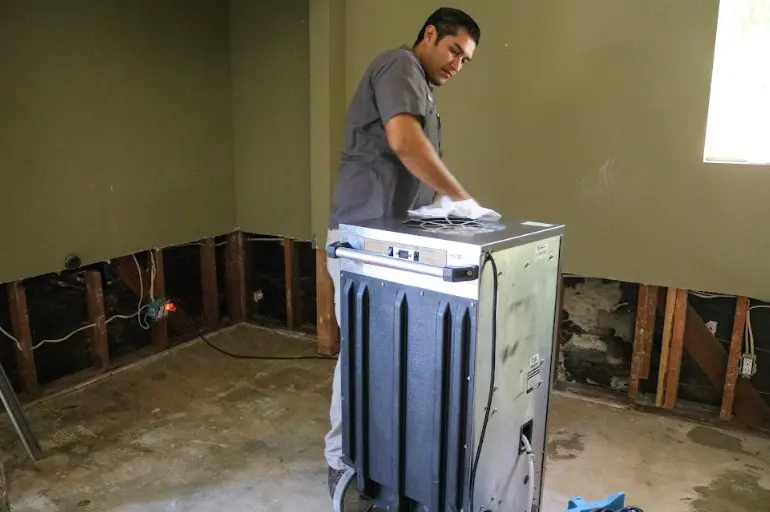
Water damage might seem like a surface problem at first. A small stain on the ceiling. A damp spot on the wall. But what you see is usually just the beginning. Behind those visible signs, water damage issues are quietly working through your home’s structure, weakening foundations, rotting wood, and compromising everything that holds your property together.
Most homeowners don’t realize how quickly water can turn from a minor issue into a major structural threat. When you ignore early warnings, you’re inviting problems that can cost tens of thousands down the road.
How Water Weakens Your Foundation
Your foundation keeps your entire house stable. When water seeps into the soil around your foundation, it creates pressure that pushes against concrete walls. This pressure causes cracks, and once those cracks form, more water gets in.
Here’s what happens when water damage issues affect your foundation:
- Soil erosion beneath the foundation leads to uneven settling
- Cracks start small but widen over time
- Doors and windows begin to misalign
- Floors start to slope or feel uneven
Foundation damage often happens slowly. You might not notice anything wrong until the problem is severe. That’s why addressing water intrusion early matters so much.
Wood Rot: The Silent Destroyer
Wood and water don’t mix well. When moisture gets into wooden structures-floor joists, support beams, and wall studs-it creates the perfect environment for rot and decay. The wood becomes soft, loses its strength, and can eventually fail completely.
Wood rot typically starts in areas you can’t see. Behind walls. Under floors. In crawl spaces and attics. Common areas include support beams, framing around windows and doors, roof trusses, and wooden subfloors. When load-bearing wooden structures rot, they lose their ability to support weight. Floors can sag. Roofs can develop dips. In extreme cases, sections of your home can become unsafe.
Drywall Damage: More Than Cosmetic
When you see water stains on your drywall, your first thought might be about how it looks. But drywall damage goes deeper than aesthetics. Wet drywall loses its structural integrity. The gypsum inside breaks down. The paper backing becomes a breeding ground for mold.
Signs your drywall has water damage issues:
- Brown or yellow staining
- Soft or spongy texture
- Bulging or sagging sections
- Peeling or bubbling paint
- Musty odors
Once drywall gets saturated, it needs to be replaced. You can’t just dry it out and paint over it. The material has been compromised. And here’s what most people don’t realize-mold can start growing on wet drywall quickly. By the time you notice the water stain, mold may already be spreading behind your walls.
Mold creates health risks for everyone in your home. Respiratory issues, allergic reactions, and other health problems can develop from prolonged exposure.
The Cost of Waiting: Why Early Intervention Saves Money
A small leak that gets addressed right away requires minimal repairs. The same leak was ignored for months? The scope of work expands dramatically. You might need extensive mold remediation, structural wood replacement, foundation repairs, and complete drywall replacement.
Water doesn’t stop spreading on its own. It finds every crack, every gap, every porous material, and continues causing damage. What starts as a simple repair can snowball into a major restoration project.
Early intervention protects your property value, prevents health hazards from mold growth, maintains your home’s structural integrity, and gives you peace of mind.
Warning Signs You Shouldn’t Ignore
Your home gives you clues when water damage issues are developing. Watch for musty smells in basements or bathrooms, water stains on ceilings or walls, peeling or bubbling paint, warped or buckled flooring, and cracks in walls or foundations.
Even one of these signs means you should investigate further. Multiple signs together indicate a serious problem that needs professional attention right away.
Protecting Your Home’s Structural Integrity
You can prevent most structural damage from water if you act fast. Getting professional help quickly makes a huge difference in how much damage occurs.
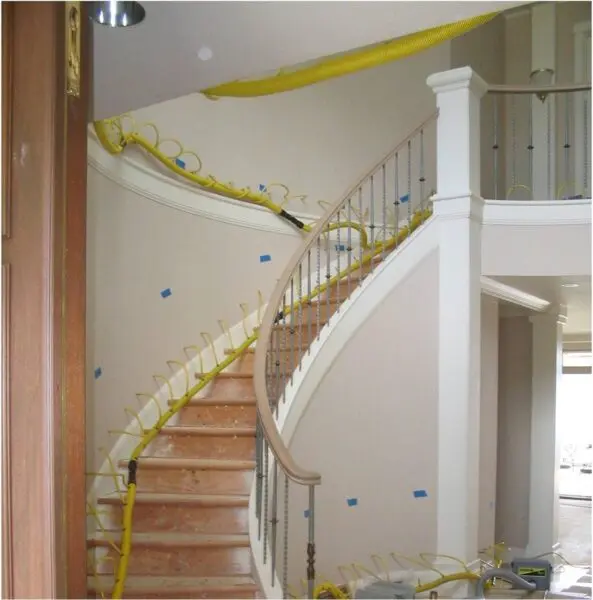
Professional restoration teams use specialized equipment to detect hidden moisture, extract standing water, dry structures thoroughly, and check for mold growth. They create a complete restoration plan.
Trying to handle significant water damage issues yourself usually doesn’t work. Moisture trapped in walls, under floors, or in your foundation continues causing damage. Professional-grade equipment makes a real difference.
Your Home Deserves Protection
Think about your home as an investment. Regular maintenance protects that investment. When water damage occurs, fast action preserves your property’s value and keeps your family safe.
The structural damage from untreated water starts small but grows rapidly. Foundations crack. Wood rots. Drywall crumbles. Mold spreads. Before you know it, you’re facing repairs that could have been prevented with early intervention.
Take Action Before It’s Too Late
If you’ve noticed any signs of water intrusion in your San Diego property, don’t wait. Water damage doesn’t improve on its own. The structural issues that develop from ignored water damage issues can compromise your home’s safety.
Ready to protect your property from structural damage? Contact Certified Restoration for a thorough inspection. Our experienced team serves San Diego County with professional water damage restoration services that address both visible damage and hidden moisture issues.
From emergency flood cleanup to mold remediation, we provide comprehensive restoration solutions to protect your home’s structural integrity and your family’s health.
Frequently Asked Questions
How quickly can water damage cause structural problems?
Structural damage from water can begin within hours. Wood starts absorbing moisture immediately, and mold can develop rapidly in damp conditions. The longer water sits, the deeper it penetrates. Minor water intrusion can lead to significant structural issues in a short time if not addressed properly.
Can I just dry out wet areas myself instead of calling professionals?
Surface drying rarely addresses the full extent of water damage. Moisture gets trapped inside walls, under floors, and in hidden spaces where household fans can’t reach. Professional restoration teams use moisture meters and infrared cameras to locate all affected areas, then use industrial equipment to dry structures thoroughly.
How do I know if water damage has affected my foundation?
Foundation damage from water shows up in several ways. Look for cracks in basement walls, doors and windows that stick, gaps between walls and ceilings, sloping floors, and visible bowing in foundation walls. If you notice these signs after water intrusion or flooding, your foundation may need professional evaluation.