
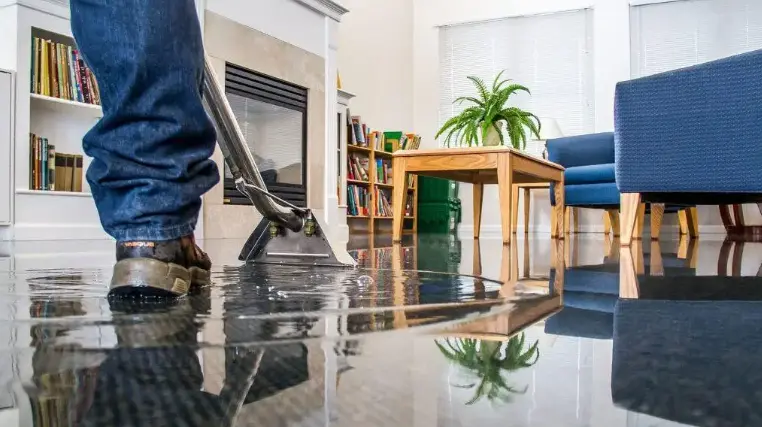
You’ve cleaned up the visible water and dried the surfaces. Everything looks fine. But the real danger might still be hiding behind your walls and under your floors. This hidden threat is called secondary water damage.
Understanding what happens after initial cleanup helps you protect your San Diego property from ongoing damage that can cost significantly more than the original problem.
What Is Secondary Water Damage?
Secondary water damage refers to problems that develop after the initial water event and cleanup. While primary damage happens immediately when water first enters your property, secondary damage occurs later when moisture isn’t completely removed.
Primary damage is the water you can see. Secondary damage comes from the water you can’t see. That burst pipe floods your bathroom. That’s primary damage. The mold growing inside your wall later because moisture was trapped? That’s secondary water damage.
The challenge is that secondary damage often develops in hidden areas. Water seeps into wall cavities, under flooring, and behind cabinets. Even when surfaces appear dry, moisture can remain trapped in porous materials.
How Secondary Damage Differs From Primary Damage
Primary damage is immediate and visible. You see standing water, soaked carpets, and wet furniture. These problems happen the moment water enters your property.
Secondary damage is delayed and often hidden. It develops when remaining moisture creates ongoing problems like mold growth, wood rot, and structural weakening. Many San Diego property owners discover secondary water damage long after they believed their water problem was resolved.
Common Signs of Secondary Water Damage
Recognizing secondary damage early helps prevent more serious problems. Watch for these warning signs in your property:
Musty Odors
A persistent musty smell often indicates mold growing in hidden areas. If you notice musty odors developing after cleanup, moisture likely remains trapped somewhere.
Mold Growth
Visible mold appearing on walls, ceilings, or around baseboards signals ongoing moisture problems. If mold develops after your initial cleanup, water remains present. Black, green, or white spots on surfaces indicate mold colonies establishing themselves.
Peeling or Bubbling Paint
Paint that bubbles, peels, or blisters suggests moisture trapped behind walls. Water creates pressure that pushes paint away from surfaces.
Warped or Buckled Flooring
Floors that warp, buckle, or feel soft underfoot indicate moisture affecting subflooring. Hardwood floors may cup or crown. These changes mean water penetrated deeper than the surface level.
Staining or Discoloration
Water stains that appear or darken after initial cleanup suggest ongoing moisture problems. Brown or yellow stains on ceilings or walls indicate water traveling through building materials.
Why Initial Cleanup Isn’t Enough
Many people assume that removing visible water solves their problem. Unfortunately, surface cleanup rarely addresses moisture in hidden areas.
Water penetrates porous materials quickly. Drywall absorbs water like a sponge. Wood framing soaks up moisture. These materials don’t dry simply because you mopped the floor.
Standard household fans and dehumidifiers lack the power to dry structural materials effectively. They might dry surfaces but leave moisture trapped inside walls. This trapped moisture creates the perfect environment for secondary water damage to penetrate deeper than the surface
Moisture meters and infrared cameras detect hidden water that homeowners can’t see. Without this equipment, you’re guessing about whether materials are truly dry.
The Importance of Thorough Drying and Dehumidification
Proper drying prevents secondary damage. This process requires specialized equipment beyond household tools.
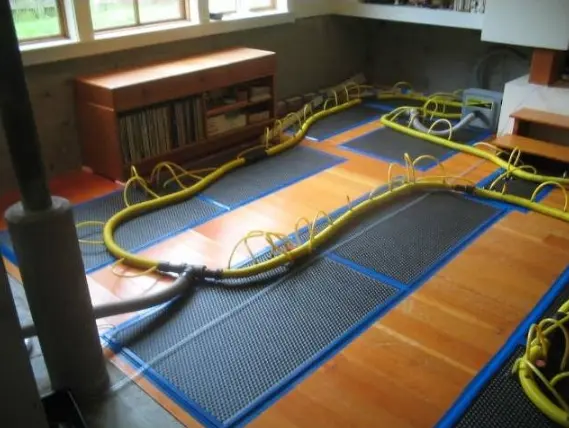
Commercial air movers create high-velocity airflow that speeds evaporation. Commercial dehumidifiers remove massive amounts of moisture from the air. Moisture monitoring ensures materials reach safe dryness levels. The drying process addresses both visible and hidden moisture in wall cavities and under-floor spaces.
Why Professional Restoration Prevents Ongoing Damage
Attempting DIY water damage cleanup often leaves moisture behind. You might dry what you can see but miss what matters most. Professional restoration provides detection equipment like moisture meters and infrared cameras, industrial drying equipment including commercial air movers and dehumidifiers, expertise in how water travels through structures, and documentation for insurance claims.
Preventative Measures to Avoid Secondary Damage
Taking the right steps after water damage prevents secondary problems. Act quickly when water damage occurs. The longer water remains, the greater the risk. Contact restoration professionals immediately.
Don’t assume surfaces are dry. Materials might look dry while moisture remains trapped inside. Remove saturated materials like carpet padding that trap moisture. Ensure complete drying by having professionals monitor moisture levels.
The Cost of Ignoring Secondary Damage
Secondary water damage often costs more to repair than the original water problem. Mold remediation requires specialized treatment. Structural repairs become necessary when wood rots. Insurance coverage becomes complicated when secondary damage develops from incomplete initial cleanup.
Trust Professional Restoration
When water affects your San Diego property, understanding that initial cleanup is just the beginning helps you make better decisions. Secondary water damage develops when moisture remains trapped in hidden areas.
Certified Restoration serves San Diego County with comprehensive water damage restoration services. Our IICRC-certified team uses moisture meters, infrared cameras, and commercial drying equipment to address both visible water and hidden moisture.
From flood restoration and water removal through complete drying and mold remediation, we handle every aspect of restoration. Contact Certified Restoration for thorough water damage restoration that protects your property.
Frequently Asked Questions
What is secondary water damage?
Secondary water damage refers to problems that develop after initial cleanup when moisture remains trapped in hidden areas. This includes mold growth, wood rot, and structural weakening that occur after the original water event. Secondary damage happens because moisture wasn’t completely removed from materials during initial cleanup.
How can I tell if I have secondary water damage?
Common signs include musty odors that develop after cleanup, visible mold growth on walls or ceilings, peeling or bubbling paint, warped or buckled flooring, new water stains appearing, and increased humidity in affected rooms. If any of these problems develop after you thought water damage was resolved, moisture likely remains trapped in hidden areas.
Why can’t I just dry everything myself with fans?
Household fans and dehumidifiers lack the power to dry structural materials effectively. Water penetrates deep into porous materials. Surface drying doesn’t remove this trapped moisture. Professional restoration uses moisture meters to detect hidden water, commercial air movers for high-velocity drying, and industrial dehumidifiers to remove moisture from the air.
Disclaimer: This article is for general information ONLY and is not intended to be legal, medical, or scientific advice. The proper approach to each project must be determined on a case-by-case basis. Certified Restoration always recommends that you call a certified restoration professional, especially when there are children, the elderly, or individuals with health conditions residing in the property.