Water damage ranks among the most common and costly problems San Diego homeowners face. According to the Insurance Information Institute, water damage and freezing account for nearly 24% of all homeowners insurance claims (2021 data), with the average claim running about $12,514 (2017 to 2021). Understanding the causes of water damage San Diego homes experience most often helps you take preventive steps before a small problem becomes an expensive emergency.
If you are already dealing with water damage in your home, call Certified Restoration at (619) 234-2500. We provide 24/7 emergency response throughout San Diego County.
With El Niño conditions forecast to strengthen through the 2026-27 winter, San Diego homeowners should pay extra attention to potential water damage risks. Recent history shows what intense storms can do. The National Weather Service recorded nearly three inches of rain falling on San Diego in a single January 2024 day, causing water damage to thousands of structures across the county. Many affected homes had no prior flood history.
Why Water Damage Prevention Matters Now
The EPA estimates that the average household loses about 10,000 gallons of water per year to leaks. About 10% of homes waste over 90 gallons daily through minor drips and undetected leaks. These slow leaks often cause hidden damage that goes unnoticed until mold appears or structural problems develop.
San Diego’s climate creates unique conditions. Long dry periods followed by intense winter storms mean drainage systems and waterproofing that seem fine for months can fail suddenly when heavy rain arrives. Homes that have not seen significant rainfall exposure may have deteriorated seals, clogged drains, or aging components that only reveal problems under stress. For a deeper look at how El Niño specifically affects San Diego homeowners, see our guide on what San Diego homeowners should know about El Niño water damage risks.
Plumbing System Failures
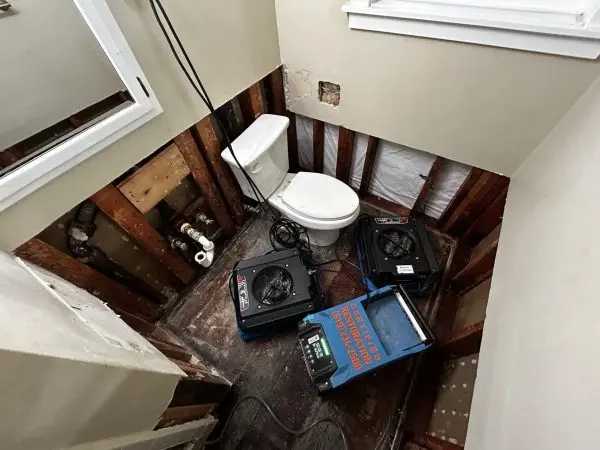
Plumbing problems cause more residential water damage claims than any other source. Pipes, fittings, and supply lines can fail without warning, releasing water that spreads quickly through walls, floors, and ceilings.
Supply line failures. The flexible hoses connecting water supplies to toilets, sinks, washing machines, and refrigerators are among the most common failure points. These lines are under constant pressure and can burst or develop pinhole leaks over time.
Prevention tips:
- Inspect supply lines every six months for bulging, cracking, or corrosion
- Replace rubber or plastic supply lines with braided stainless steel versions
- Know where your main water shutoff valve is located
- Consider installing a water leak detection system that automatically shuts off water when a leak is detected
Hidden pipe leaks. Pipes running through walls, under slabs, and in crawl spaces can develop leaks that go unnoticed for weeks or months. Signs include unexplained increases in water bills, the sound of running water when no fixtures are in use, and damp spots on walls or floors. Hidden moisture creates ideal conditions for mold, so it is important to check for areas where mold commonly grows if you suspect a leak.
Prevention tips:
- Monitor your water bill for unexpected increases
- Check your water meter when no water is being used. If it continues moving, you likely have a leak
- Have a plumber inspect your system if your home is older than 30 years
Toilet Malfunctions
Toilets represent a significant water damage risk because they connect to both the water supply and the drain system. A failed fill valve can run continuously, while a blocked drain can cause sewage backup into the home.
Common failure points:
- Supply line connections that loosen or corrode over time
- Wax ring seals that dry out and allow water to seep around the base
- Fill valves and flappers that fail and cause continuous running
- Clogs that lead to overflow during flushing
Prevention tips:
- Inspect supply line connections every six months
- Listen for toilets that run intermittently, which indicates a failing flapper
- Address slow-draining toilets before they become complete blockages
- Know where the toilet shutoff valve is located and test it periodically to ensure it works
- Never flush items that can cause clogs, including wipes labeled as flushable
Washing Machine Issues
Washing machines rank among the top sources of catastrophic home water damage because they use large volumes of water and often run unattended. A burst supply hose while you are away from home can release hundreds of gallons before anyone notices.
Prevention tips:
- Replace rubber supply hoses every five years, or sooner if you notice any bulging, cracking, or wear
- Upgrade to braided stainless steel supply hoses, which are more resistant to bursting
- Turn off water supply valves when the machine is not in use, especially before leaving for vacation
- Never run the washing machine when you are not home
- Leave space between the machine and the wall to prevent hose kinking
- Inspect the drain hose connection and ensure it is secure
Water Heater Problems
Water heaters have a limited lifespan, and most tank-style units fail within 10 to 15 years. When they fail, they can release 40 to 80 gallons of water into your home, often in locations like garages or utility closets where the water can spread before being noticed.
Warning signs of impending failure:
- Rust-colored water from hot water taps
- Rumbling or popping sounds during heating cycles
- Visible rust or corrosion on the tank exterior
- Water pooling around the base of the unit
- Age over 10 years for tank-style heaters
Prevention tips:
- Flush the tank every six months to remove sediment buildup
- Have the anode rod inspected every two years and replaced when corroded
- Install a drain pan under the water heater with a line running to a floor drain
- Consider upgrading to a tankless water heater, which eliminates the risk of tank failure
- Know where the water heater shutoff valve is located
Roof Leaks and Storm Damage
San Diego roofs endure years of intense sun exposure with only occasional rain. This pattern can mask deterioration that becomes obvious only when heavy storms arrive. With El Niño conditions expected to bring significant rainfall through winter 2026-27, roof inspections deserve attention now.
According to NBC San Diego, roofing contractors recommend scheduling inspections before storm season because problems that go unnoticed in dry weather surface during heavy rain. Hairline cracks in tile can widen and expose the underlayment beneath, while fibers showing in shingle material indicate the roof needs replacement.
Common roof failure points:
- Cracked, shifted, or missing tiles or shingles
- Deteriorated underlayment beneath tile roofs
- Failed flashing around vents, skylights, and chimneys
- Clogged gutters that cause water to back up under roofing materials
- Flat roof sections with inadequate drainage
Prevention tips:
- Schedule a professional roof inspection before each rainy season
- Clear gutters and downspouts at least twice per year
- Trim tree branches that overhang the roof
- Address minor repairs promptly before they become major problems
- Check attic spaces after storms for signs of water intrusion
HVAC System Condensation
Air conditioning systems produce condensation that must drain away from the unit. When drain lines become clogged with algae, mold, or debris, water backs up and can overflow into ceilings, walls, or floors. In San Diego, where air conditioning runs heavily during warm months, this is a common but often overlooked water damage source.
Prevention tips:
- Have HVAC systems serviced annually, including drain line cleaning
- Pour a cup of white vinegar through the condensate drain line every few months to prevent algae buildup
- Ensure the drip pan under the air handler is clean and draining properly
- Install a secondary drain pan with a float switch that shuts down the system if the primary drain fails
Refrigerator and Ice Maker Leaks
Refrigerators with ice makers and water dispensers connect to your home’s water supply through small supply lines that can fail over time. These leaks often go unnoticed because they occur behind the appliance.
Prevention tips:
- Inspect the supply line and shutoff valve every six months
- Replace plastic supply lines with braided stainless steel
- Check for moisture or water stains behind and beneath the refrigerator
- Clean the drip pan regularly
- Ensure the refrigerator sits level so condensation drains properly
Clogged Drains and Sewer Backups
Slow drains often indicate developing clogs that can eventually cause backups. When main sewer lines become blocked, sewage can back up through floor drains, toilets, and tubs, creating both water damage and serious health hazards.
Warning signs:
- Multiple drains backing up simultaneously
- Gurgling sounds from drains when other fixtures are used
- Sewage odors near floor drains
- Water backing up in floor drains during heavy rain
Prevention tips:
- Address slow drains before they become complete blockages
- Avoid putting grease, coffee grounds, and fibrous foods down kitchen drains
- Use drain screens to catch hair and debris in bathroom drains
- Have main sewer lines inspected if your home has older clay or cast iron pipes
- Consider installing a backflow preventer if your home experiences sewer backups during heavy rain
Sump Pump Failures
San Diego homes with below-grade spaces, basements, or areas prone to water collection may have sump pumps. These pumps fail when you need them most, often during storms when power outages are common.
Prevention tips:
- Test your sump pump quarterly by pouring water into the pit until the pump activates
- Install a battery backup system to keep the pump running during power outages
- Replace backup batteries every two to three years
- Listen for unusual sounds that indicate the pump is struggling
- Keep the discharge line clear and directed away from the foundation
Exterior Drainage Problems
How water flows around your home’s exterior determines whether rain drains away safely or pools against the foundation. Poor grading, clogged gutters, and inadequate drainage send water where it can seep into the structure.
Prevention tips:
- Ensure soil grades away from the foundation on all sides
- Extend downspouts at least four feet from the foundation
- Keep gutters clear of leaves and debris
- Check that window wells have functioning drains
- Address standing water in yards before it saturates soil near the foundation
Preparing for El Niño Season in San Diego
The NOAA Climate Prediction Center forecasts above-average precipitation for Southern California during the 2026-27 winter season. San Diego homeowners should take extra precautions:
- Complete roof inspections and repairs before December
- Clear all gutters, downspouts, and drainage channels
- Test sump pumps and install backup power if not already equipped
- Inspect supply lines on all appliances
- Review flood insurance coverage (most policies have a 30-day waiting period before coverage begins)
- Know where all water shutoff valves are located
- Have a water damage restoration company contact ready in case of emergency
What to Do When Water Damage Occurs
Despite prevention efforts, water damage can still happen. According to FEMA, mold can begin growing on wet surfaces within 24 to 48 hours, so quick response is critical. Understanding water damage restoration tips before an emergency helps you respond effectively when time matters most.
Immediate steps:
- Stop the water source if possible by shutting off the appropriate valve
- Turn off electricity to affected areas if water is near outlets or appliances
- Document the damage with photos and video for insurance purposes
- Remove standing water if you can do so safely
- Contact your insurance company to report the damage
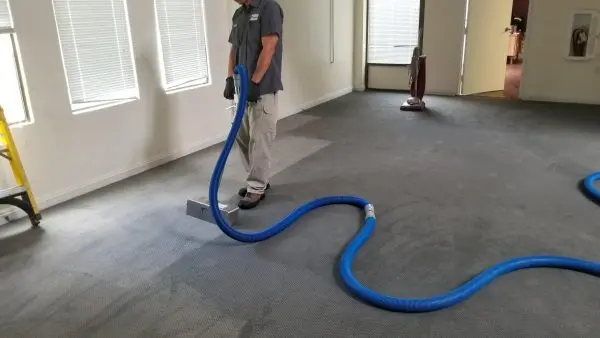
- Call a professional water damage restoration company
For San Diego homeowners dealing with water damage, Certified Restoration provides 24/7 emergency response. Our team has served San Diego for 35+ years and offers complete water damage restoration, flood restoration and water removal, and mold remediation services. When choosing a company, our guide on tips for choosing the right water damage restoration vendor in San Diego can help you make an informed decision.
Call (619) 234-2500 for immediate assistance, or contact us online to discuss your situation.
Frequently Asked Questions
What are the most common causes of water damage in San Diego homes?
The most common causes of water damage in San Diego homes include plumbing failures such as burst supply lines and leaking pipes, appliance malfunctions from washing machines and water heaters, roof leaks that become apparent during winter storms, toilet overflows and drain backups, and HVAC condensation line clogs. San Diego’s climate creates additional risk because long dry periods can mask deteriorating seals and drainage problems that only reveal themselves during heavy rain events. With El Niño conditions bringing above-average rainfall through winter 2026-27, these risks are elevated.
How much does water damage typically cost to repair?
Water damage repair costs vary widely depending on the source, extent, and how quickly the damage is addressed. According to Insurance Information Institute data from 2017 to 2021, the average water damage insurance claim runs about $12,514. Minor incidents caught early may cost only a few hundred dollars to address, while major events involving structural damage, mold remediation, or sewage contamination can reach tens of thousands of dollars. FloodSmart notes that just one inch of water in an average size home can cause roughly $25,000 in damage, which illustrates why fast response matters so much.
How quickly does mold grow after water damage?
Mold can begin growing on wet surfaces within 24 to 48 hours under the right conditions, according to FEMA. Mold spores are naturally present in most environments and only need moisture, warmth, and organic material to begin growing. Once established, mold spreads rapidly and can become difficult and expensive to remediate. This timeline is why professional water damage restoration focuses on rapid water extraction and thorough drying. Simply removing visible water is not enough. Moisture trapped in walls, flooring, and insulation must also be addressed before mold can establish itself.
Does homeowners insurance cover water damage?
Most homeowners insurance policies cover sudden and accidental water damage from sources like burst pipes, appliance failures, and roof leaks caused by storms. However, policies typically exclude damage from flooding, which requires separate flood insurance through the National Flood Insurance Program or a private insurer. Policies also generally exclude damage resulting from lack of maintenance, such as a roof that failed because repairs were neglected. Reviewing your specific policy and understanding what is and is not covered before damage occurs helps avoid surprises during the claims process.
How can I tell if I have a hidden water leak?
Signs of hidden water leaks include unexplained increases in your water bill, the sound of running water when no fixtures are in use, damp or discolored spots on walls or ceilings, musty odors suggesting mold growth, warped or buckling flooring, and peeling paint or wallpaper. You can check for leaks by turning off all water fixtures and appliances, then watching your water meter. If the meter continues to move, water is flowing somewhere in your system. Professional leak detection services can locate hidden leaks using specialized equipment without requiring destructive exploration of walls and floors.
What should I do if my garage or lower level floods during a storm?
First, do not enter standing water if it may be in contact with electrical outlets, panels, or appliances. If you can safely access your electrical panel, turn off power to the affected area before entering. Document the damage with photos and video before removing any water. If the water is clean rainwater, you can begin removing it with a wet/dry vacuum or pump. If the water appears contaminated or smells of sewage, avoid contact and call a professional restoration company. Contact your insurance company promptly, and understand that flood damage from external water sources typically requires separate flood insurance coverage.
How often should I inspect my home for potential water damage risks?
A thorough inspection of potential water damage risks should happen at least twice per year, ideally before and after the rainy season in San Diego. Check supply lines on toilets, sinks, washing machines, refrigerators, and water heaters every six months. Inspect gutters and downspouts before storm season and clean them at least twice yearly. Have your roof professionally inspected annually, especially if it is older than 15 years. Test sump pumps quarterly if your home has one. Monitoring your water bill monthly helps catch hidden leaks early before they cause significant damage.
Should I buy flood insurance if I do not live in a flood zone?
FloodSmart reports that nearly one third (29%) of NFIP flood insurance claims from 2014 to 2024 came from properties outside high-risk flood zones. San Diego’s January 2024 storms demonstrated that flooding can occur in areas that had never flooded before. Flood insurance through the National Flood Insurance Program is available to homeowners regardless of flood zone designation. Keep in mind that most flood policies have a 30-day waiting period before coverage takes effect, so purchasing coverage after a storm is forecast provides no protection. If your property sits in a low-lying area or near drainage channels, flood insurance is worth considering even without a high-risk designation.
This article is for general information only and is not intended to be legal, medical, or scientific advice. The proper approach to each project must be determined on a case-by-case basis. Certified Restoration always recommends that you call a certified restoration professional, especially when there are children, elderly, or individuals with health conditions residing in the property.