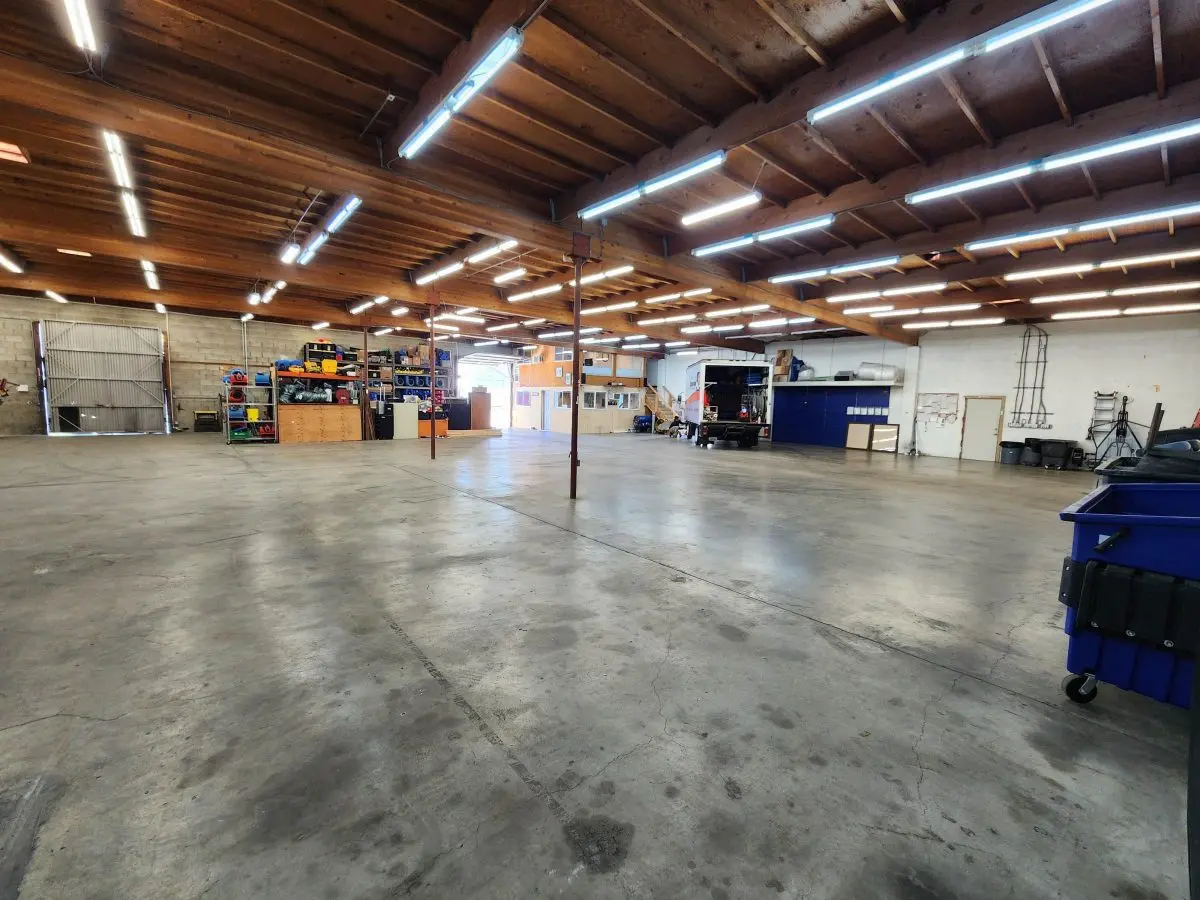
Budget season arrives every year, but the 2027 cycle deserves special attention for San Diego property managers and HOA boards. With El Niño conditions expected to bring heavier than normal rainfall through early 2027, storm preparedness should move from a line item afterthought to a front-page priority for San Diego HOA boards. The decisions made during this budget cycle will shape how well your properties handle whatever winter delivers.
If your property is currently experiencing water damage from recent storms, call Certified Restoration at (619) 234-2500. We provide 24/7 emergency response for HOA communities, multi-family buildings, and commercial properties throughout San Diego County.
This guide walks through how to build storm readiness into your 2027 budget and property maintenance planning. Whether you manage a homeowners association, an apartment complex, or a commercial building, the fundamentals remain the same: plan ahead, budget appropriately, and document everything.
Why the 2027 Budget Cycle Matters More Than Usual
San Diego properties typically experience mild winters with limited rainfall. That pattern leads many boards and owners to treat storm-related maintenance as a lower priority. When El Niño shifts weather patterns and delivers sustained heavy rain, properties that skipped preventive work face far greater damage than those that stayed current.
Budget decisions made in late 2026 will determine what resources are available when storms arrive in early 2027. A roof drain inspection that costs a modest amount in October becomes an emergency roof replacement in February. Gutter cleaning that seems optional during dry months becomes essential when back-to-back storms dump several inches of rain.
The time to address these items is during budget planning, not during a crisis when contractors are overwhelmed and costs spike.
Preventive Items That Belong in the Annual Budget
Storm-related maintenance falls into several categories. Each deserves a dedicated line item rather than burial in a general maintenance fund where it competes with other priorities.
Roof and Drain Inspections
Flat roofs on commercial and multi-family buildings require annual inspection at minimum. For HOA communities with multiple structures, a systematic inspection schedule ensures nothing gets overlooked. Inspectors should examine:
- Membrane condition and any visible wear or damage
- Drain openings and whether they flow freely
- Flashing around penetrations, HVAC equipment, and edges
- Evidence of ponding from previous rain events
- Debris accumulation that could block water flow
Scheduling inspections before storm season, typically September through November, allows time to address problems before heavy rain arrives.
Gutter and Downspout Work
Gutters and downspouts require cleaning at least twice yearly, with additional service after heavy leaf drop or windstorms. For larger properties, this becomes a recurring contract rather than an as-needed expense.
Beyond cleaning, budget for repairs and replacements. Sections pull away from fascia boards. Joints develop leaks. Downspouts get damaged by landscaping equipment or delivery trucks. Having funds allocated means repairs happen promptly rather than waiting until the next budget cycle.
Downspout extensions and splash blocks also need attention. Water must discharge away from building foundations, not pool against them.
Sump Pump and Backflow Checks
Properties with below-grade spaces, parking structures, or areas prone to water collection typically have sump pumps or ejector pumps. These mechanical systems require testing and maintenance to function when needed.
Annual testing should verify:
- Pumps activate when float switches rise
- Discharge lines remain clear and properly routed
- Backup power systems (if equipped) function correctly
- Alarms or monitoring systems report accurately
Backflow preventers on sewer and storm drain connections also need annual testing and certification in most jurisdictions. This expense belongs in the operating budget as a recurring item.
Moisture Monitoring
For properties with known vulnerabilities or previous water damage history, moisture monitoring provides early warning before problems become visible. This can range from simple humidity sensors in at-risk areas to more sophisticated building monitoring systems.
Budget considerations include both equipment costs and the labor to check and respond to readings. For properties with on-site maintenance staff, this becomes part of regular rounds. For properties without dedicated staff, it may require periodic contractor visits.
How Reserve Planning Affects Storm Readiness
Operating budgets cover routine maintenance, but major repairs and replacements draw from reserve funds. The relationship between these two funding sources directly impacts storm readiness.
The Connection Between Deferred Maintenance and Storm Damage
Reserve studies project when major building components will need replacement. When associations defer these replacements to keep assessments low, the risk shifts. A roof nearing the end of its expected life may survive another mild winter. It may not survive an El Niño season.
The same applies to drainage systems, waterproofing membranes, and other components that protect against water intrusion. Deferred replacement becomes accelerated failure when conditions stress already-marginal systems.
Board members reviewing reserve studies should consider not just the projected replacement year, but current weather forecasts. A component expected to last two more years under normal conditions may warrant earlier attention given El Niño projections.
Insurance Deductibles and Cash Flow
Commercial and HOA policies typically carry higher deductibles than residential coverage. A property with a large deductible needs ready access to funds when filing claims.
Consider these scenarios during budget planning:
- If storm damage requires a claim, can the association cover the deductible without a special assessment?
- Are reserves adequate to fund both the deductible and any damage not covered by insurance?
- Has the deductible increased since last year’s budget was prepared?
Some associations establish a specific reserve category for insurance deductibles. Others ensure general reserves remain sufficient to cover a claim. Either approach works, but the planning must happen in advance.
Balancing Prevention Against Emergency Reserves
Every dollar spent on preventive maintenance is a dollar not available for emergency response. Boards must balance these competing needs.
The calculation favors prevention in most cases. Cleaning a drain costs far less than repairing water damage from a backed-up drain. Inspecting and repairing flashing costs far less than replacing water-damaged insulation and drywall.
When presenting budget proposals, quantify this relationship where possible. “Gutter maintenance prevents the kind of water intrusion that caused a repair bill at a comparable property” makes the value concrete.
Pre-Season Property Assessments
A formal property assessment before storm season provides the foundation for budget decisions and claim documentation.
What a Pre-Season Assessment Covers
Walk the entire property with a systematic checklist:
Building exteriors
- Roof condition and drainage
- Walls, windows, and doors
- Foundation perimeter and grading
- Parking structures and below-grade spaces
Site conditions
- Parking lot drainage and catch basins
- Landscaping that affects water flow
- Retaining walls and slope stability
- Common area structures and equipment
Building systems
- Sump pumps and ejectors
- Backflow preventers
- HVAC equipment exposed to weather
- Electrical panels in vulnerable locations
Documentation That Supports Future Claims
Photographs and written notes from pre-season assessments serve multiple purposes:
- They identify items requiring budget allocation
- They establish baseline conditions before storm damage occurs
- They demonstrate reasonable care if liability questions arise
- They support insurance claims by showing pre-existing versus storm-caused damage
Store this documentation in multiple locations, including cloud storage accessible even if the property management office sustains damage.
Translating Assessment Findings into Budget Items
Each deficiency identified becomes either an operating expense or a reserve item:
- Minor repairs and maintenance go into the operating budget
- Major repairs and replacements draw from reserves
- Items requiring immediate attention may warrant budget amendments
- Items that can wait inform next year’s planning
Prioritize based on risk. A marginally worn roof membrane that will likely survive another mild winter becomes a higher priority when El Niño forecasts suggest heavy rain.
Priority Response Agreements with Restoration Partners
When storms cause water damage across multiple properties at once, restoration companies receive more calls than they can handle simultaneously. Properties where the restoration company already knows the building and the contacts tend to receive faster attention than unfamiliar callers.
What a Priority Response Agreement Provides
These arrangements vary by provider, but generally include:
- Commitment to prioritized response during widespread events
- Pre-established contact protocols and after-hours access
- Familiarity with property layouts, shutoffs, and access procedures
- Known pricing structures and insurance coordination processes
- Relationship with property management that speeds communication
For HOA communities and multi-family properties, these benefits multiply across every unit or building.
Budget Implications
Some restoration companies offer priority response as part of an ongoing relationship. The arrangement and any associated costs vary by provider. Either way, building this relationship belongs in the planning process.
Beyond direct costs, consider the indirect value. Faster response means less damage spread. Less damage means lower claim costs and fewer displaced residents. Established relationships mean less time spent vetting contractors during an emergency.
Certified Restoration offers priority response partnerships for San Diego HOA communities, multi-family buildings, and commercial properties. Our team has served the region for 35+ years and understands the specific challenges property managers face during storm season.
Documenting Current Conditions for Next Year’s Budget
The documentation you create now serves double duty: it supports this year’s storm response and informs next year’s budget decisions.
Building a Maintenance History
Track every preventive measure, inspection, and repair:
- Date and scope of work performed
- Contractor name and contact information
- Cost and payment information
- Any issues identified during the work
- Follow-up items recommended
This history reveals patterns. If the same drain backs up every storm, that indicates a capacity problem requiring capital improvement rather than repeated clearing. If certain buildings consistently show moisture issues, they may need more aggressive waterproofing.
Tracking Storm Events and Response
During each storm event, document:
- Rainfall amounts and duration
- Areas where water intrusion occurred
- Response actions taken and their effectiveness
- Costs incurred
- Insurance claims filed and outcomes
After storm season ends, this record shows which budget items proved adequate and which fell short. It provides concrete justification for increased allocations in areas that experienced problems.
Condition Reports for Handoff
Property managers change. Board members rotate. Staff turns over. Documentation ensures institutional knowledge survives these transitions.
Create summary reports that capture:
- Current condition of major building components
- Outstanding maintenance items and recommended timelines
- Vendor relationships and contact information
- Budget history and spending patterns
- Known vulnerabilities and past incidents
The next person managing the property should be able to pick up this file and understand what needs attention.
Presenting Storm Readiness to an HOA Board or Owner
Getting approval for storm-related budget items requires clear communication about risks and benefits.
Framing the Conversation
Boards and owners respond to different types of arguments:
Risk reduction. “This inspection identifies problems before they cause damage during storms.”
Cost avoidance. “Preventive work costs a fraction of emergency repairs.”
Liability protection. “Documented maintenance demonstrates reasonable care if claims arise.”
Insurance considerations. “Proper maintenance may affect coverage and claim outcomes.”
Property value. “Well-maintained properties command better rents and resale values.”
Match your framing to what resonates with your specific board or owner.
Using Comparable Properties
If a similar property in the area experienced storm damage, use that example. “The HOA two blocks over had three buildings flood last January. Their roofs were the same age as ours but had not been inspected. Our inspection budget is designed to catch those problems before storms arrive.”
This makes the risk concrete without being alarmist.
Showing the Full Picture
Present storm-related items in context:
- How do they compare to last year’s allocation?
- What percentage of the overall budget do they represent?
- What happens if they are deferred?
- What is the alternative if the board wants to reduce the amount?
Boards make better decisions when they understand tradeoffs clearly.
San Diego Water Damage Restoration Services
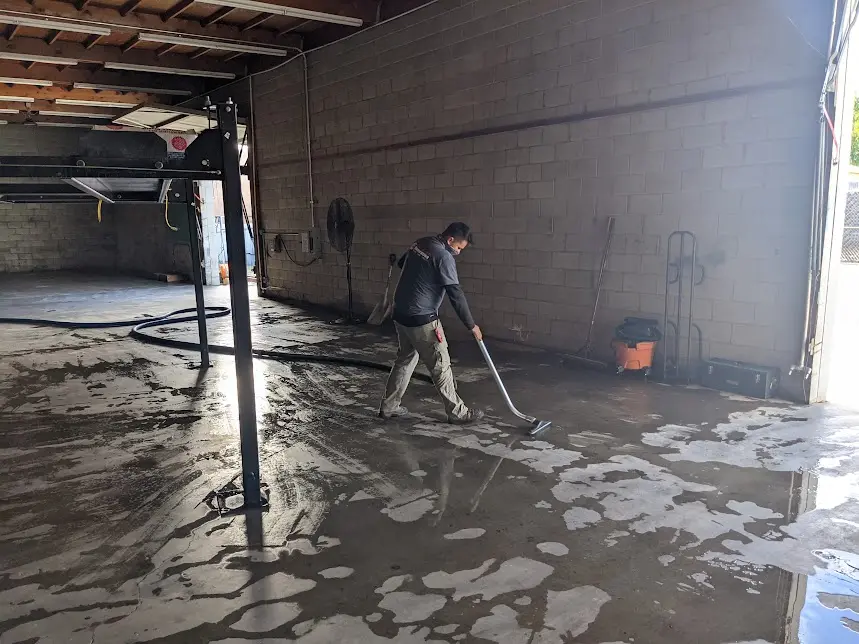
When storm damage occurs despite preparation, Certified Restoration provides complete restoration services for HOA communities, multi-family buildings, and commercial properties throughout San Diego County.
Our commercial water damage restoration services include emergency water extraction, structural drying, and coordination with your insurance carrier. For properties facing flood restoration and water removal needs, we deploy industrial equipment to dry structures quickly and prevent secondary problems like commercial mold remediation issues.
Call Certified Restoration at (619) 234-2500 to discuss priority response partnerships or to request service for current water damage. We work with property managers, HOA boards, and building owners to restore properties efficiently while documenting everything your insurance company needs.
Frequently Asked Questions
What storm-related items should appear in an HOA operating budget versus reserves?
Operating budgets cover recurring maintenance that happens every year: drain cleaning, gutter service, pump testing, inspections, and minor repairs. Reserve funds cover major repairs and replacements: new roofing, drainage system overhauls, waterproofing membrane replacement, and significant structural repairs. The distinction matters because operating expenses come from regular assessments while reserve draws may require special assessments or affect the association’s financial health. When in doubt, check your reserve study. Items with projected replacement timelines belong in reserves. Items performed annually belong in operations.
How do insurance deductibles affect storm preparedness planning?
Commercial and HOA policies typically carry deductibles measured in thousands rather than hundreds. When storm damage triggers a claim, the association must pay this deductible before insurance coverage applies. If reserves lack sufficient funds, a special assessment may be required at the worst possible time. During budget planning, verify your current deductible amount (it may have changed at renewal), confirm reserves can cover it alongside other potential expenses, and consider whether a higher deductible would reduce premiums enough to offset the added risk. Some associations maintain a dedicated deductible reserve to ensure funds remain available.
Why should property managers establish relationships with restoration companies before storm season?
Major storms generate more service calls than any single restoration company can answer at once. Properties where the company already has a relationship move to the front because there is no onboarding delay. The crew already understands the building layout, knows who to contact, and can start extraction without spending time on intake questions. For HOA communities and multi-family buildings, this head start multiplies across every affected unit. Establishing these relationships during the budget cycle, not during an active storm, ensures the partnership is in place when it matters most.
What documentation should property managers create before storm season?
Photograph and document the current condition of roofs, drainage systems, building exteriors, parking areas, below-grade spaces, and any areas with previous water damage history. Include date stamps and written notes describing what each image shows. Store copies in cloud storage accessible from multiple locations. This documentation serves multiple purposes: it identifies items requiring budget allocation, establishes baseline conditions that distinguish pre-existing issues from storm damage, demonstrates reasonable care if liability questions arise, and supports insurance claims by showing exactly what the storm caused versus what existed beforehand.
How can property managers justify storm preparation costs to skeptical HOA boards?
Connect the budget items to concrete outcomes the board cares about. Show comparable properties that experienced damage when similar maintenance was deferred. Calculate the cost difference between preventive work and emergency repairs. Explain how documented maintenance affects insurance claims and liability exposure. Present storm-related items as part of the full budget so board members understand proportions and tradeoffs. If the board wants to reduce allocations, clarify what risks increase and let them make informed decisions. Boards respond better to specific examples and clear risk communication than to general warnings about weather.
What happens if an HOA defers storm-related maintenance to keep assessments low?
Deferred maintenance shifts risk from certain ongoing costs to uncertain future costs, and those future costs typically exceed what prevention would have required. A roof that needed inspection and minor repair becomes a roof that needs emergency replacement after storm damage. A drain that needed clearing becomes a flooded unit requiring restoration and potential liability exposure. Beyond direct costs, deferred maintenance may affect insurance coverage, create board liability for negligence, and reduce property values when buyers or appraisers notice the condition. The budget conversation should acknowledge that lower assessments now may mean special assessments later.
This article is for general information only and is not intended to be legal, medical, or scientific advice. The proper approach to each project must be determined on a case-by-case basis. Certified Restoration always recommends that you call a certified restoration professional to assess your commercial property.