
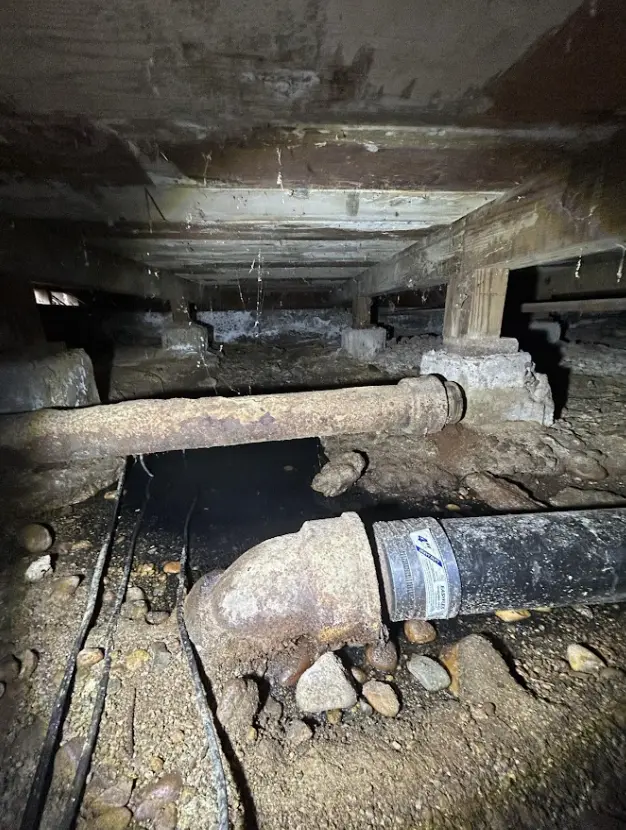
Few home emergencies are as unpleasant and potentially dangerous as a sewage backup. When wastewater starts flowing back into your home instead of away from it, you face health risks, property damage, and a cleanup challenge that requires professional help.
Understanding the common causes of sewage backups helps San Diego homeowners take preventive action. When backups do occur, knowing what to do next can limit damage and protect your family’s health. Professional sewage cleanup San Diego services become essential when contaminated water enters your living spaces.
Tree Root Intrusion
Tree roots are one of the leading causes of sewer line damage in San Diego neighborhoods. As roots grow, they seek out sources of water and nutrients, and your sewer line provides both.
How Roots Damage Pipes
Roots find their way into sewer lines through small cracks, joints, and connection points. Once inside, they continue growing and can eventually block the entire pipe. The pressure from expanding roots also causes pipes to crack further, making the problem worse over time.
Older clay and concrete pipes are particularly vulnerable because their joints provide easy entry points for roots.
Warning Signs of Root Problems
Watch for these indicators that roots may be affecting your sewer line:
- Slow drains throughout your home
- Gurgling sounds from toilets or drains
- Frequent clogs that keep returning
- Sewage odors near your yard or home
- Patches of extra-green grass over the sewer line
Aging and Deteriorating Pipes
Many San Diego homes were built decades ago with sewer pipes that have limited lifespans. As these pipes age, they become more prone to failure.
Common Pipe Materials and Their Issues
Different pipe materials present different risks as they age:
- Clay pipes crack and crumble over time
- Cast iron pipes corrode from the inside out
- Orangeburg pipes (made from compressed wood fiber) collapse and deform
- Even PVC pipes can develop joint failures after many years
Signs Your Pipes May Be Failing
Older pipes often give warning signs before complete failure:
- Multiple drains are backing up at the same time
- Sewage odors inside or outside your home
- Foundation cracks or settling near sewer lines
- Sinkholes or depressions in your yard
When aging pipes cause backups, sewage cleanup San Diego professionals can address the immediate contamination while plumbers repair the underlying damage.
Heavy Rainfall and Storm Events
San Diego may have a mild climate, but when heavy rains arrive, they can overwhelm drainage systems and cause sewage backups.
How Storms Cause Backups
During intense rainfall, municipal sewer systems can become overloaded. When more water enters the system than it can handle, pressure builds and forces sewage back through residential connections.
Homes in low-lying areas or with basement-level bathrooms face higher backup risks during storms. Water follows the path of least resistance, and that path may lead into your home.
Stormwater and Sewer System Connections
Some older San Diego neighborhoods have combined sewer systems where stormwater and sewage share the same pipes. These systems are more likely to experience backups during heavy rain events.
Clogged Drains and Improper Disposal
Many sewage backups start with clogs that homeowners create through improper disposal habits.
Items That Should Never Go Down Drains
These common items cause blockages in household plumbing:
- Grease, fats, and cooking oils
- Wet wipes (even those labeled flushable)
- Paper towels and tissues
- Feminine hygiene products
- Food scraps and coffee grounds
How Clogs Lead to Backups
Small clogs in household drains may seem minor, but they can contribute to larger blockages deeper in your sewer line. As debris accumulates over time, it restricts flow until eventually the line becomes completely blocked.
When the main sewer line clogs, wastewater has nowhere to go but back into your home through the lowest drains.
Sewer Line Failures and Breaks
Physical damage to sewer lines can cause sudden and severe backups.
Causes of Line Damage
Sewer lines can break or collapse due to several factors:
- Ground shifting from earthquakes or soil movement
- Construction activity near sewer lines
- Heavy vehicles driving over buried pipes
- Corrosion weakens pipe walls
Recognizing a Broken Sewer Line
A broken sewer line often produces different symptoms than a simple clog. You may notice sewage pooling in your yard, persistent wet spots even during dry weather, or a sudden backup that affects all drains in your home simultaneously.
Health Risks from Sewage Exposure
Sewage backups create serious health hazards that require immediate attention.
Contaminants in Sewage
Domestic sewage contains harmful pollutants, including human waste, bacteria, viruses, and parasites. Black water (the industry term for sewage-contaminated water) can cause digestive problems and skin irritation.
Protecting Your Family
If a sewage backup occurs:
- Keep family members and pets away from affected areas
- Avoid direct contact with contaminated water
- Do not use HVAC systems that could spread contamination
- Contact professional sewage cleanup San Diego services immediately
Emergency Response Steps
Knowing what to do when a backup occurs can limit damage and reduce health risks.
Immediate Actions
When you discover a sewage backup:
- Stop using water throughout your home immediately
- Turn off electricity to affected areas if safe
- Remove uncontaminated items from the area
- Document damage with photos for insurance
- Contact a professional restoration company
What Not to Do
Avoid these common mistakes:
- Do not attempt cleanup without proper protective equipment
- Do not use household cleaners, which are insufficient for decontamination
- Do not delay cleanup, as contamination spreads quickly
Prevention Strategies
Taking proactive steps reduces your risk of experiencing a sewage backup.
Regular Maintenance
Schedule periodic inspections and maintenance with a professional sewage cleanup team in San Diego to catch problems early. Camera inspections can reveal root intrusion, pipe damage, and buildup before they cause backups.
Proper Disposal Practices
Train everyone in your household about what should not go down the drains. Install drain screens to catch hair and debris. Dispose of grease in the trash rather than pouring it down the sink.
Backwater Valve Installation
Consider installing a backwater prevention valve on your main sewer line. These devices allow sewage to flow out but close automatically if the flow reverses, preventing backups from entering your home.
Professional Sewage Cleanup San Diego Services
At Certified Restoration, we provide professional sewage cleanup services in San Diego. Our certified technicians respond quickly to contain contamination, remove sewage and affected materials, and make your home safe again.
We follow proper protocols for black water cleanup, including containment, bio-washing, decontamination, and thorough drying. We also offer water damage restoration, flood restoration, and mold remediation.
Contact Certified Restoration for emergency sewage cleanup and removal services.
Frequently Asked Questions
What causes sewage to back up into my home?
Common causes include tree root intrusion, clogged pipes from improper disposal, aging pipes, heavy rainfall overwhelming municipal systems, and physical damage to sewer lines.
Is sewage backup dangerous to my health?
Yes, sewage contains bacteria, viruses, and other harmful contaminants. Exposure can cause stomach illness and skin problems. Professional cleanup with thorough decontamination is essential.
Can I clean up sewage myself?
Small spills may be manageable with proper protective equipment, but significant backups require professional cleanup. Sewage contamination spreads beyond visible areas and requires specialized methods.
How quickly should sewage be cleaned up?
Sewage should be addressed immediately. The longer contaminated water remains, the more it spreads, and mold can start developing very quickly.
How can I prevent sewage backups?
Regular sewer line maintenance, proper disposal practices, and backwater valve installation help prevent backups. Avoid flushing anything other than toilet paper and human waste.
Disclaimer: This article is for general information ONLY and is not intended to be legal, medical, or scientific advice. The proper approach to each project must be determined on a case-by-case basis. Certified Restoration always recommends that you call a certified restoration professional, especially when there are children, the elderly, or individuals with health conditions residing in the property.