
Handling biohazardous materials requires more than good intentions and household cleaning supplies. When blood, bodily fluids, or other contaminated materials need removal, improper disposal creates serious risks for individuals, communities, and the environment. Understanding why biohazard disposal requires professional expertise helps protect everyone involved.
Many property owners attempt to clean up themselves to save money or maintain privacy, not realizing the complex regulations and safety requirements involved. A single mistake in handling or disposal can result in disease transmission, legal penalties, and environmental contamination that affects entire neighborhoods.
Health Risks of Improper Handling
Biohazardous materials contain pathogens that remain active long after initial contamination occurs. Understanding these health risks explains why specialized procedures are necessary for safe cleanup.
Bloodborne Pathogen Exposure
Blood and bodily fluids can carry hepatitis B, hepatitis C, HIV, and numerous other infectious diseases. These pathogens survive outside the human body for days or weeks under certain conditions, maintaining their ability to cause infection through contact with cuts, mucous membranes, or accidental ingestion.
Improper handling allows these pathogens to spread to surfaces, clothing, and equipment that might contact other people later. Even dried blood contains active pathogens that can become airborne when disturbed, creating inhalation risks.
Cross-Contamination Problems
Without proper containment procedures, contamination spreads far beyond the original affected area. Tracking on shoes, contact with clothing, and inadequate equipment cleaning can distribute pathogens throughout buildings and vehicles.
Cross-contamination often goes unnoticed until someone becomes ill weeks or months later. By then, tracing the exposure source becomes nearly impossible, making prevention the only reliable protection method.
Respiratory Health Hazards
Decomposition and bacterial growth create airborne contaminants that pose serious respiratory risks. Ammonia, hydrogen sulfide, and other toxic gases can cause immediate breathing problems and long-term lung damage.
Mold growth in contaminated areas produces spores and mycotoxins that trigger allergic reactions and respiratory infections. These airborne hazards affect everyone in the vicinity, not just those directly involved in cleanup activities.
Legal and Regulatory Consequences
Biohazard disposal falls under strict federal, state, and local regulations designed to protect public health. Violations can result in severe penalties and legal liability that far exceed the cost of professional services.
OSHA Compliance Requirements
The Occupational Safety and Health Administration requires specific training, equipment, and procedures for anyone handling biohazardous materials. Personal protective equipment, decontamination procedures, and medical monitoring are all mandatory under federal law.
Employers who allow workers to handle biohazards without proper training and equipment face substantial fines and potential criminal charges if injuries occur. Even property owners directing cleanup activities can face liability under these regulations.
EPA Environmental Standards
The Environmental Protection Agency regulates biohazard disposal to prevent groundwater contamination and environmental damage. Improper disposal methods can result in soil and water pollution that affects entire communities.
Red bag waste, sharps containers, and liquid waste all require specific handling and disposal methods. Regular trash pickup services cannot legally accept these materials, making specialized disposal services necessary.
State and Local Restrictions
Many jurisdictions have additional requirements beyond federal standards. Some areas require permits for biohazard cleanup, while others mandate specific disposal facilities or transportation procedures.
Professional biohazard cleanup teams understand these varying requirements and ensure compliance across all applicable jurisdictions. This knowledge protects property owners from inadvertent violations.
Environmental Impact Concerns
Improper biohazard disposal creates lasting environmental problems that affect entire communities. Understanding these impacts emphasizes the importance of professional handling procedures.
Groundwater Contamination Risks
Biohazardous materials contain pathogens and chemicals that can contaminate soil and groundwater supplies. Once contamination reaches water systems, cleanup becomes extremely expensive and time-consuming.
Private wells and municipal water supplies face contamination risks when biohazards enter soil through improper disposal. The health effects can impact thousands of people and persist for years.
Wildlife and Ecosystem Damage
Improperly disposed biohazards can harm wildlife through direct contact or food chain contamination. Animals that encounter contaminated materials can spread pathogens to other species and geographic areas.
Ecosystem disruption occurs when contamination affects plant growth or soil chemistry. These changes can persist long after the original contamination source gets removed.

Professional Containment Procedures
Certified cleanup teams use systematic approaches that prevent contamination spread while ensuring worker safety. These procedures have evolved through decades of experience and regulatory development.
Initial Assessment and Planning
Professional teams start by evaluating contamination extent and identifying all affected materials. This assessment determines containment requirements, disposal needs, and safety protocols for the specific situation.
Proper planning prevents contamination spread during cleanup activities. Teams establish work zones, decontamination stations, and waste staging areas before beginning removal work.
Personal Protective Equipment
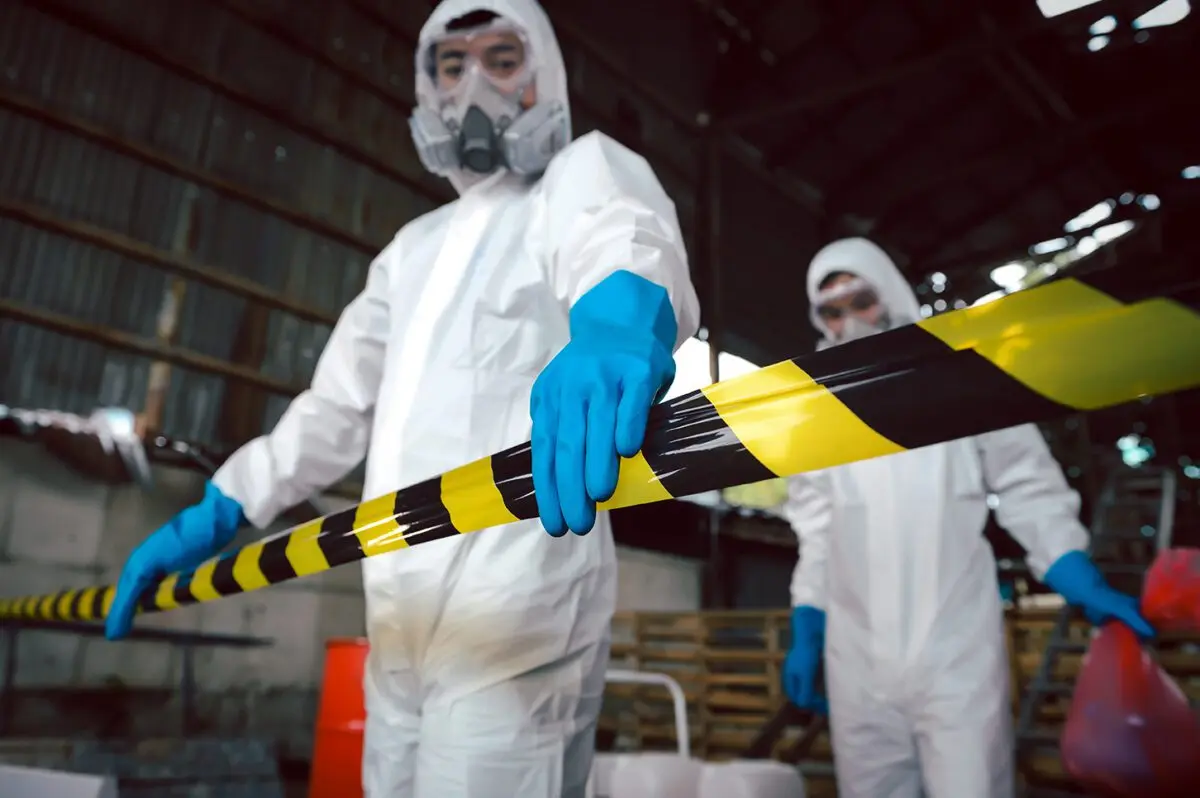
Professional cleanup requires full-body protective suits, respirators, eye protection, and multiple layers of gloves. This equipment prevents pathogen contact and cross-contamination between work areas.
Equipment gets removed and disposed of according to strict protocols that prevent contamination spread. Decontamination procedures ensure that reusable equipment gets properly cleaned before storage.
Contamination Control Methods
Negative air pressure systems prevent airborne contaminants from spreading to unaffected areas. HEPA filtration removes pathogens from air before release to the environment.
Physical barriers and containment systems isolate work areas from occupied spaces. These measures protect building occupants and prevent contamination spread during cleanup activities.
Transportation and Disposal Standards
Moving biohazardous materials from cleanup sites to disposal facilities requires specialized training, equipment, and documentation that most property owners don’t possess.
Packaging Requirements
Different types of biohazardous materials require specific packaging methods. Red bags, sharps containers, and rigid containers all serve different purposes and have specific usage requirements.
Improper packaging can result in spills during transportation that contaminate vehicles, roads, and disposal facilities. Professional teams understand these requirements and use appropriate containers for each material type.
Transportation Regulations
Department of Transportation regulations govern how biohazardous materials move on public roads. Special licensing, vehicle requirements, and route restrictions all apply to these shipments.
Documentation requirements include manifests, chain of custody forms, and disposal certificates. These records prove proper handling and protect against future liability claims.
Disposal Facility Compliance
Only licensed medical waste disposal facilities can legally accept biohazardous materials. These facilities use incineration, autoclaving, or other approved methods to eliminate pathogens completely.
Professional restoration companies like Certified Restoration maintain relationships with certified disposal facilities and ensure proper documentation throughout the disposal process.
Documentation and Liability Protection
Proper biohazard disposal requires detailed record-keeping that protects property owners from future liability and regulatory issues.
Complete documentation tracks biohazardous materials from initial generation through final disposal. These records prove compliance with regulations and provide liability protection if questions arise later.
Professional teams maintain detailed logs that include material types, quantities, handling procedures, and disposal methods. This documentation satisfies regulatory requirements and insurance needs.
Protect Your Health and Property—Schedule a Professional Biohazard Service Today
Biohazard disposal involves complex health, legal, and environmental risks that make professional handling essential for protecting individuals and communities. The consequences of improper disposal extend far beyond immediate cleanup concerns, creating lasting problems that affect public health and safety.
Professional teams provide the training, equipment, and regulatory knowledge necessary for safe biohazard handling. Their systematic approaches ensure complete pathogen elimination while maintaining full regulatory compliance throughout the disposal process.
When biohazard situations require cleanup, professional response protects health, prevents legal problems, and ensures environmental safety. Contact Certified Restoration specialists to ensure proper handling that meets all safety and regulatory requirements.
Frequently Asked Questions
What are the penalties for improper biohazard disposal?
Penalties vary by jurisdiction but can include fines of thousands of dollars, criminal charges, and civil liability for any resulting health problems or environmental damage. OSHA violations alone can result in fines up to $70,000 per incident. Property owners may also face cleanup costs for environmental contamination that can reach hundreds of thousands of dollars.
Can regular trash services handle biohazardous materials?
No, regular waste management companies cannot legally accept biohazardous materials. These materials require specialized collection, transportation, and disposal through licensed medical waste facilities. Attempting to dispose of biohazards through regular trash can result in legal penalties and put waste workers at serious health risk.
How long do pathogens survive in biohazardous materials?
Survival times vary by pathogen type and environmental conditions. Hepatitis B can survive outside the body for up to seven days on surfaces, while HIV typically survives only hours to days. However, dried blood and other materials can preserve pathogens for extended periods, making proper disposal essential regardless of time elapsed.
What documentation is required for biohazard disposal?
Proper disposal requires manifests tracking materials from generation to final destruction, chain of custody documentation, transportation records, and disposal certificates from licensed facilities. Professional cleanup teams maintain these records and provide copies to property owners for liability protection and regulatory compliance.
How do professionals ensure complete pathogen elimination?
Professional teams use EPA-approved disinfectants, follow specific contact time requirements, and employ methods like autoclaving or incineration at licensed facilities. They also conduct verification testing to confirm elimination and maintain detailed documentation of all procedures. This systematic approach ensures complete pathogen destruction and regulatory compliance.