Sewage cleanup involves handling hazardous materials that pose serious health risks. Understanding why professional restoration companies use protective equipment and follow strict safety protocols helps property owners recognize the importance of expert assistance when facing sewage emergencies.
PPE for sewage cleanup isn’t just recommended—it’s essential for protecting workers from dangerous contaminants. Professional restoration teams in San Diego follow established safety protocols to handle biohazards safely while protecting both workers and property occupants.
Why Sewage Cleanup Requires Professional Safety Protocols
Sewage contains harmful contaminants that create significant health hazards. Professional restoration companies understand these risks and implement comprehensive safety measures to protect everyone involved in the cleanup process.
Domestic sewage comes from daily household activities and contains harmful pollutants, including human waste, food scraps, and chemicals. When sewage backups occur, they create dangerous conditions that require immediate professional attention.
The health risks associated with sewage exposure make proper protective equipment and safety protocols essential. Raw sewage contains bacteria, viruses, and other pathogens that spread quickly without proper containment. Exposure can cause skin irritation, respiratory problems, and serious illnesses.
The Dangers of Sewage Contamination
Understanding what makes sewage dangerous helps explain why professionals take extensive safety precautions. Sewage backup creates conditions that threaten both immediate and long-term health.
Direct and indirect contact with sewage poses serious health threats. Contaminated areas harbor dangerous microorganisms that cause illness and infection. Even brief exposure creates risks that untrained individuals cannot safely manage.
Sewage backups affect more than just visible surfaces. Contamination spreads to adjacent spaces, building materials, and ventilation systems. This widespread impact requires systematic approaches that only trained professionals can provide. The longer sewage remains untreated, the greater the contamination spreads.
Why Professional Restoration Companies Use Strict Safety Protocols
Professional restoration companies implement comprehensive safety protocols for sewage cleanup. These established procedures protect workers while ensuring thorough decontamination of affected properties.
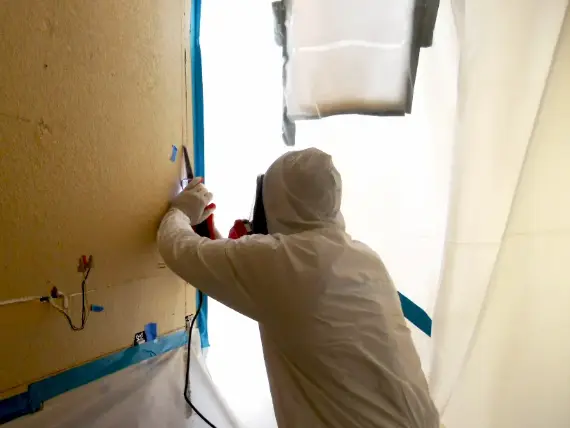
Certified restoration teams follow industry standards for handling biohazardous materials. This systematic approach addresses both visible contamination and hidden risks that property owners cannot detect. Safety protocols serve dual purposes: protecting restoration workers during cleanup and ensuring properties are safe for occupants afterward.
IICRC-certified restoration companies employ trained technicians who understand proper handling procedures for hazardous materials. This specialized training covers safe work practices that protect both workers and property occupants. Professional certification ensures restoration workers possess the knowledge needed to handle dangerous situations safely.
The Professional Sewage Cleanup Process
Professional sewage cleanup follows systematic procedures designed to safely remove contamination and restore properties to safe conditions. Understanding this process shows why professional assistance matters.
Professionals begin by identifying and containing affected areas to prevent contamination from spreading. This containment process requires proper equipment and procedures that protect workers while limiting damage. Assessment determines the extent of contamination and guides the cleanup approach.
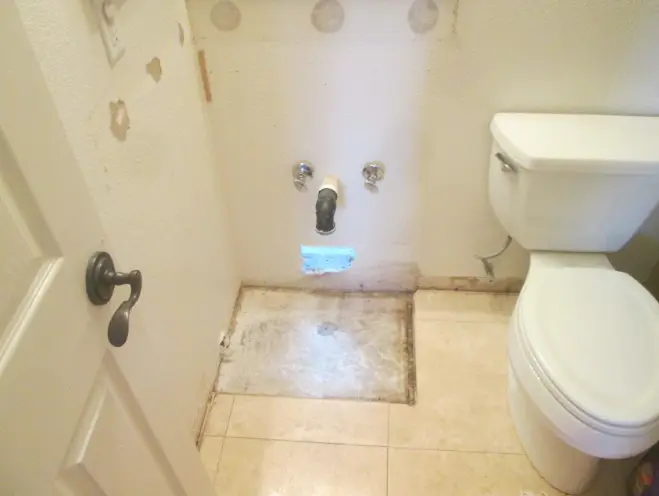
Materials that cannot be safely cleaned must be removed following proper procedures. Professional teams understand which building materials retain contamination even after cleaning attempts. This knowledge prevents situations where hidden contamination creates ongoing problems.
Complete decontamination goes beyond surface cleaning. Certified Restoration uses bio-washing, a high-temperature, low-pressure steam cleaning process, to thoroughly decontaminate affected areas. This professional method addresses contamination that standard cleaning cannot reach. Upon request, E. coli testing confirms decontamination was successful and provides documentation that properties meet safety standards.
Why DIY Sewage Cleanup Creates Serious Risks
Property owners sometimes consider handling sewage cleanup themselves to save money. However, this approach creates significant dangers.
Household protective equipment doesn’t provide adequate protection against sewage contamination. Without proper protective equipment, individuals face direct contact with dangerous pathogens. DIY sewage cleanup typically addresses only visible contamination while hidden moisture and contaminants remain behind walls and under floors.
Contaminated materials require proper disposal procedures. Professional restoration companies handle contaminated material disposal according to established standards.
Professional Equipment Makes the Difference
The equipment professional restoration companies use goes beyond standard cleaning tools. Specialized equipment enables safe handling of biohazardous materials and thorough property decontamination. Industrial extraction equipment removes sewage and contaminated water effectively while protecting workers.
Working With Insurance on Sewage Cleanup
Professional restoration companies understand insurance requirements for sewage cleanup. Certified Restoration works directly with insurance companies, simplifying the claims process. Insurance companies typically require professional restoration for sewage contamination due to the serious health risks involved.
Protecting San Diego Properties From Sewage Risks
When sewage affects your San Diego property, professional restoration protects your health and investment. Understanding that PPE for sewage cleanup requires professional expertise helps property owners make informed decisions during emergencies.
Certified Restoration serves San Diego County with comprehensive sewage cleanup and removal services. Our IICRC-certified team follows strict safety protocols while using specialized equipment to safely remove contamination and restore properties to safe conditions.
We understand that sewage emergencies create stressful situations. Our experienced team responds quickly, handles hazardous materials safely, and restores properties thoroughly. From initial containment through verification testing, we follow established procedures that protect everyone involved.
Don’t risk your health or property by attempting DIY sewage cleanup. Contact Certified Restoration for professional sewage cleanup that addresses both visible contamination and hidden risks. Our team provides 24/7 emergency response for sewage situations throughout San Diego County.
Frequently Asked Questions
Why can’t I handle sewage cleanup myself with protective gear?
Sewage cleanup requires professional-grade protective equipment that differs significantly from items available to consumers. Professional restoration companies use specialized equipment designed specifically for biohazard handling. DIY attempts with household protective items leave individuals vulnerable to dangerous exposure. Additionally, professional teams have the training to use protective equipment correctly and follow proper decontamination procedures afterward.
What makes professional sewage cleanup safer than DIY efforts?
Professional restoration companies follow strict safety protocols throughout the entire cleanup process. IICRC-certified technicians receive specialized training in handling hazardous materials safely. They use industrial equipment that removes contamination thoroughly, not just surface cleaning. Professional teams also handle contaminated material disposal properly and verify decontamination was successful through testing when needed.
How do professionals ensure sewage cleanup is complete?
Professional restoration companies use specialized detection equipment to locate hidden contamination that visual inspection misses. They follow systematic procedures that address both visible damage and concealed contamination behind walls and under floors. Upon request, professionals can perform E. coli testing to verify decontamination was successful. This comprehensive approach ensures properties are genuinely safe rather than just appearing clean on the surface.
Disclaimer: This article is for general information ONLY and is not intended to be legal, medical, or scientific advice. The proper approach to each project must be determined on a case-by-case basis. Certified Restoration always recommends that you call a certified restoration professional, especially when there are children, the elderly, or individuals with health conditions residing in the property.