
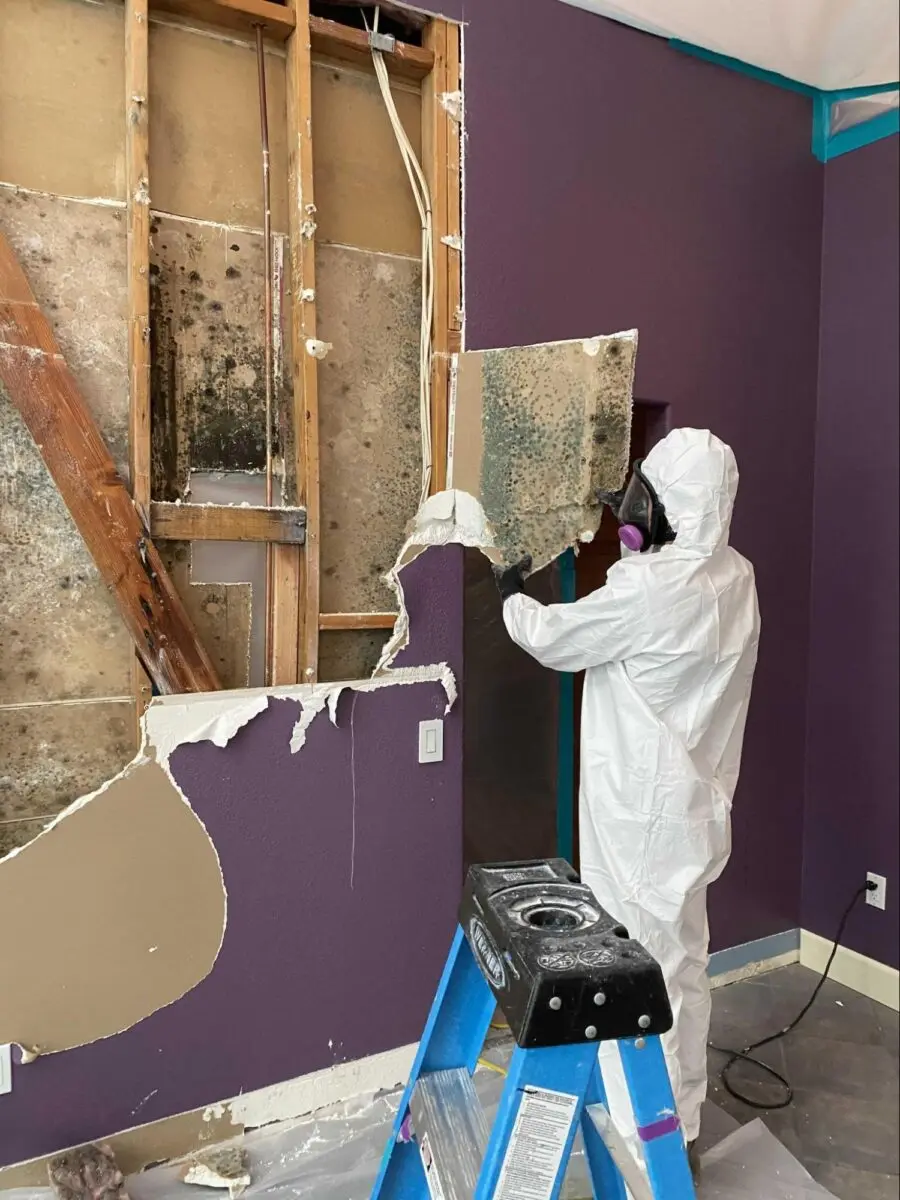
Mold grows silently in homes throughout San Diego, often spreading for weeks before anyone notices. What starts as a small patch behind a wall or under a sink can become a serious health concern for everyone living in the home.
Delaying mold removal San Diego homeowners need creates health risks for everyone in your household. Understanding how mold affects indoor air quality helps you recognize when professional remediation is necessary and why waiting makes the problem worse.
How Mold Affects Indoor Air Quality
Mold reproduces by releasing tiny spores into the air. These spores travel throughout your home’s ventilation system, settling on surfaces and entering the air you breathe in every room.
What Happens When Mold Spreads
As mold colonies grow, they release increasing numbers of spores into your indoor environment. These microscopic particles are invisible to the naked eye but affect air quality throughout your entire home. The longer the mold remains untreated, the higher the spore concentration becomes in your living spaces.
Why Indoor Air Quality Matters
People spend the majority of their time indoors. When mold contaminates indoor air, exposure becomes continuous. Unlike outdoor air that disperses contaminants, indoor air recirculates through your HVAC system, spreading spores to every room.
Common Symptoms of Mold Exposure
Mold exposure affects different people in different ways. Some experience mild symptoms while others develop more severe reactions.
Respiratory Symptoms
Breathing in mold spores irritates the respiratory system:
- Coughing that persists without other illness
- Sneezing and nasal congestion
- Sore or itchy throat
- Wheezing and difficulty breathing
- Sinus headaches
These symptoms often worsen when you are home and improve when you leave, which can indicate an indoor air quality problem.
Other Physical Reactions
Beyond respiratory effects, mold exposure causes additional symptoms:
- Itchy, watery eyes
- Irritated skin or rashes
- Headaches that recur without explanation
- Fatigue that does not improve with rest
If multiple family members experience similar symptoms simultaneously, mold contamination may be the cause.
Who Faces the Greatest Risk
While mold affects everyone, certain groups experience more severe health impacts from exposure.
Children and Infants
Developing immune systems make children more vulnerable to mold-related illnesses. Children breathe faster than adults, taking in more spores relative to their body size. Prolonged exposure during childhood may increase the risk of developing respiratory conditions.
Seniors and Adults with Health Conditions
Older adults and those with existing respiratory conditions face heightened risks. Weakened immune systems respond less effectively to mold exposure. People with asthma, COPD, or other breathing problems often experience symptom flare-ups in mold-contaminated environments.
Allergy Sufferers
People with allergies react strongly to mold spores. What might cause minor irritation in others can trigger significant allergic reactions in sensitive individuals. Symptoms may include severe congestion, persistent coughing, and skin irritation that standard allergy medications fail to control.
Professional mold removal San Diego services become critical when vulnerable family members are present in the home.
Where Mold Hides in Your Home
Mold thrives in damp, dark areas where it often goes unnoticed until significant growth has occurred.
Behind Walls and Under Floors
Water leaks inside walls allow mold to grow unseen. By the time visible signs appear on wall surfaces, extensive growth may exist behind them. Similarly, moisture under flooring creates ideal conditions for mold colonies to spread beneath your feet.
Bathrooms and Kitchens
High humidity areas provide perfect growing conditions:
- Under sinks where plumbing leaks occur
- Around shower and tub enclosures
- Behind refrigerators and dishwashers
- Inside cabinets with plumbing access
Regular leak detection helps identify moisture problems before mold establishes itself.
Basements and Crawl Spaces
These areas often have higher humidity levels and less ventilation. Foundation moisture, poor drainage, and condensation create conditions where mold flourishes. The EPA recommends keeping indoor humidity below 60% to prevent mold growth.
HVAC Systems and Ductwork
Mold growing inside air handling systems spreads spores throughout your home every time the system runs. Contaminated ductwork requires professional cleaning to eliminate this distribution pathway.
Why Immediate Mold Removal in San Diego Homes Matters
Delaying mold remediation allows the problem to compound in several ways.
Mold Spreads Rapidly
Mold can start growing just 24 hours after water exposure. Once established, colonies continue expanding as long as moisture remains available. What starts as a small problem quickly becomes a major remediation project.
Health Effects Worsen Over Time
Extended exposure intensifies health impacts. Short-term exposure may cause temporary symptoms, but prolonged exposure can lead to chronic respiratory issues.
Structural Damage Increases
Mold feeds on organic materials in your home, including wood framing, drywall, and insulation. As colonies grow, they break down these materials. Early removal prevents costly structural repairs.
Remediation Costs Rise
Small mold problems require less extensive remediation than large infestations. Containment, material removal, and restoration costs increase as mold spreads. Prompt action limits both health risks and financial impact.
Signs You Need Professional Mold Remediation
Watch for these indicators that mold may be present in your home.
Visible Growth
Any visible mold requires expert remediation. Surface mold often indicates larger colonies hidden behind walls or under flooring. Do not attempt to clean significant mold growth yourself, as improper handling spreads spores throughout your home.
Musty Odors
A persistent musty smell, even without visible mold, suggests hidden growth. This earthy odor comes from gases released as mold breaks down materials. If you notice this smell, schedule a professional inspection.
Water Damage History
Any home that has experienced water damage or flooding is at higher risk of mold. Even if the water was dried quickly, moisture in hidden areas may have allowed mold to establish.
Recurring Health Symptoms
When respiratory symptoms, headaches, or allergic reactions persist despite medical treatment, indoor air quality may be the underlying cause. Symptoms that improve when away from home and return when you come back strongly suggest mold contamination.
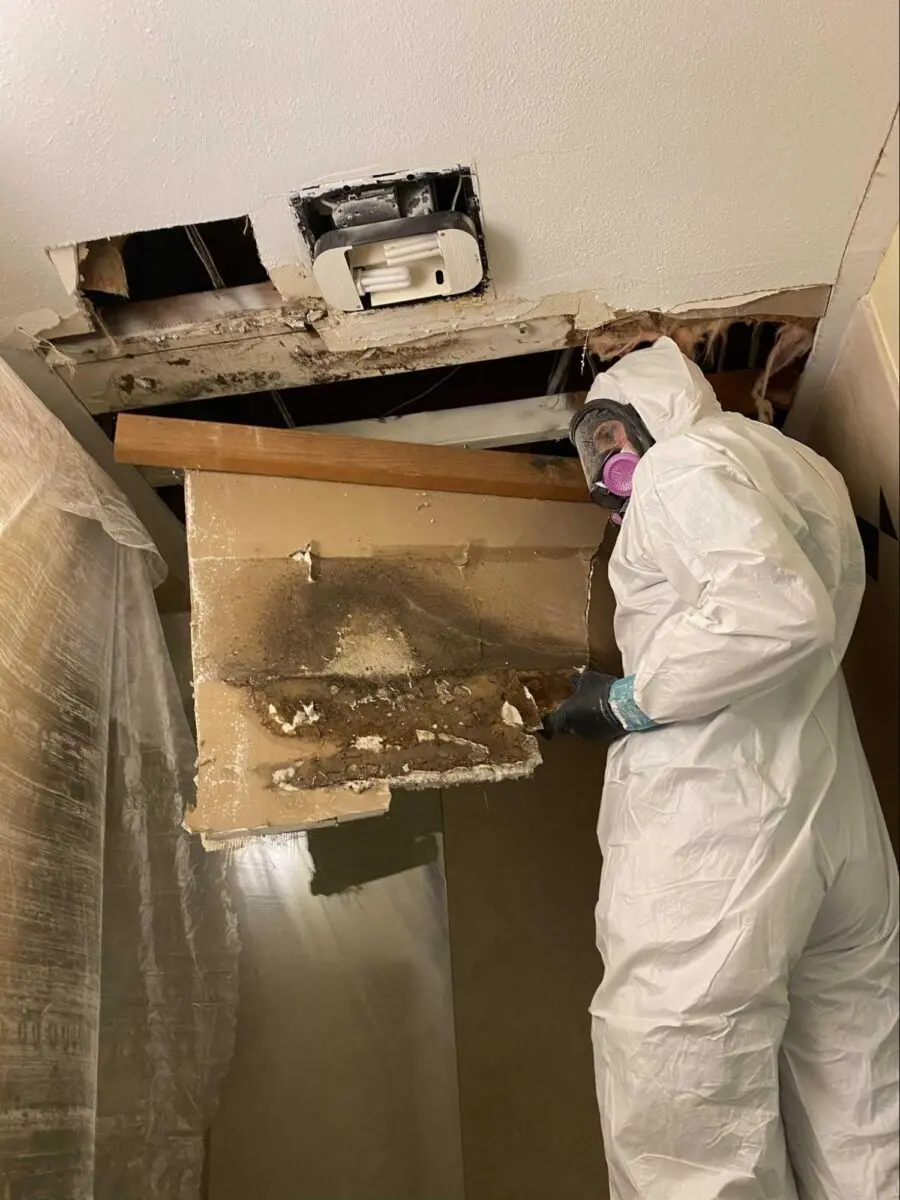
Professional Mold Removal San Diego Services
Certified professionals have the training, equipment, and experience to eliminate mold thoroughly and prevent its return.
At Certified Restoration, our certified technicians follow a thorough mold removal San Diego process. We begin with a visual inspection to identify areas with high moisture and mold growth. We then contain affected areas to prevent spore spread during remediation.
Our technicians remove non-salvageable materials, dry all building components to industry standards, and clean surfaces to eliminate mold roots. We apply antimicrobial solutions and conduct air sample testing to verify complete remediation.
We also address the water problem that allowed mold to develop, helping prevent future growth.
Contact Certified Restoration when you suspect mold in your home.
Frequently Asked Questions
What are the first symptoms of mold exposure?
Early symptoms include coughing, sneezing, nasal congestion, and itchy eyes. Some people develop headaches, a sore throat, or skin irritation. Symptoms often worsen at home and improve when away.
How quickly does mold affect health?
Health effects can begin shortly after exposure, though sensitivity varies. Those with allergies or respiratory conditions typically react faster than healthy adults.
Can I remove mold myself?
Small surface mold on non-porous materials may be cleaned with precautions. However, significant growth or mold behind walls requires professional remediation to prevent spreading spores.
How long does professional mold remediation take?
The timeline depends on the extent of contamination. Small areas may be remediated quickly. Larger infestations involving multiple rooms require longer treatment periods.
Will mold come back after remediation?
Professional remediation eliminates existing mold and addresses moisture sources. New water damage or humidity problems can allow mold to return. Maintaining proper humidity and addressing leaks promptly prevents recurrence.
Disclaimer: This article is for general information ONLY and is not intended to be legal, medical, or scientific advice. The proper approach to each project must be determined on a case-by-case basis. Certified Restoration always recommends that you call a certified restoration professional, especially when there are children, the elderly, or individuals with health conditions residing in the property.