
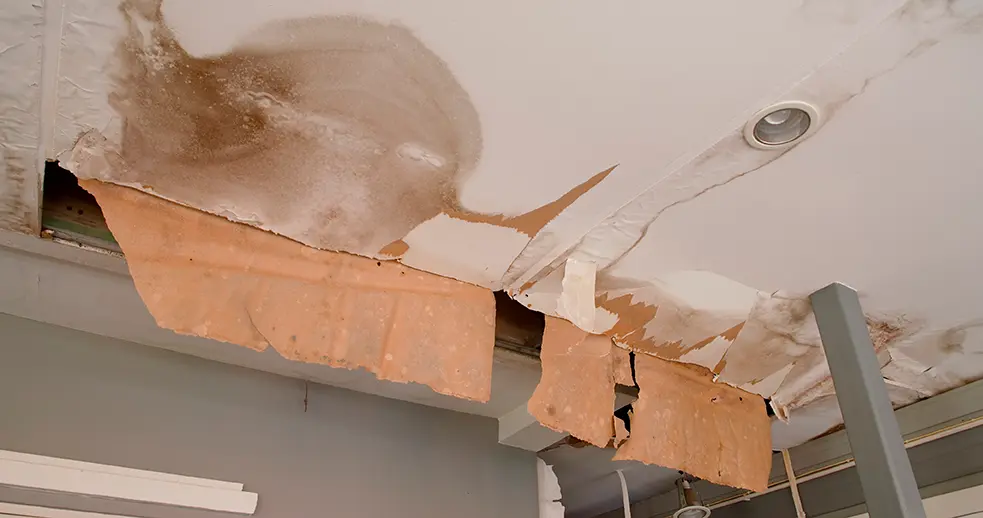
Many homeowners believe mold only appears after a visible water leak or flood. This misconception leads people to overlook moisture problems hiding in plain sight throughout their homes.
The truth about “mold growth causes” is that mold needs moisture, not necessarily a leak. High humidity, condensation, poor ventilation, and hidden moisture sources all create ideal conditions for mold to develop. Understanding these factors helps you protect your home even when no obvious water problem exists.
Does Mold Need Standing Water to Grow?
No. Mold does not require puddles or visible water to thrive. It only needs moisture levels above a certain threshold, and that moisture can come from sources you might never consider.
Mold spores exist naturally in outdoor and indoor air. They remain dormant until they land on a surface with sufficient moisture. Once conditions are right, mold can begin developing in as little as one to two days and will keep spreading unless addressed.
What Humidity Level Causes Mold Growth?
The EPA recommends keeping indoor humidity below 60% to prevent mold. When humidity rises above this level, moisture in the air settles on surfaces and creates conditions for mold development.
Signs of High Indoor Humidity
You may notice these indicators before mold becomes visible:
- Water droplets forming on windows
- Condensation on cold surfaces
- Buckled or warped wood flooring
- Peeling paint or wallpaper
- A damp, musty smell in certain rooms
San Diego’s coastal location means humidity can fluctuate significantly. Even homes without obvious water problems can develop moisture issues during certain seasons.
Can Condensation Lead to Mold?
Yes. Condensation is one of the most common mold growth causes that homeowners overlook. When warm, moist air contacts cold surfaces, water droplets form. Over time, this creates enough moisture for mold to grow.
Where Condensation Occurs
Common condensation points in homes include:
- Windows and window frames
- Exterior walls, particularly in closets
- Cold water pipes
- Air conditioning ducts
- Uninsulated areas near exterior walls
A closet against an exterior wall might stay cold while the rest of your home remains warm. This contrast causes moisture to collect, and mold can develop behind stored items where you rarely look.
How Does Poor Ventilation Cause Mold?
Inadequate airflow traps moisture inside your home. Bathrooms, kitchens, and laundry areas produce significant moisture during daily activities. Without proper ventilation, that moisture has nowhere to go.
High-Risk Areas for Poor Ventilation
Certain spaces commonly lack adequate airflow:
- Bathrooms without exhaust fans
- Kitchens with non-functioning range hoods
- Laundry rooms with improper dryer venting
- Closets and storage areas
- Basements and crawl spaces
Running a hot shower without an exhaust fan sends moisture directly into your walls and ceiling. Over weeks and months, this creates conditions for mold growth even though no leak exists.
Is Bathroom Mildew the Same as Mold?
Not exactly, but the two are closely related. Mildew is a type of mold — the flat, powdery growth that shows up on shower tile, grout, caulk, and windowsills. It sits on the surface, usually looks white or gray, and typically wipes away with routine cleaning. Mold, by contrast, tends to grow into porous material like drywall, wood, or the backing behind grout. It appears darker, spreads further, and doesn’t wipe away because it isn’t just sitting on top of the surface anymore.
The distinction matters for one practical reason: mildew that returns within days of cleaning, or that keeps appearing on grout or caulk that’s been recently redone, usually isn’t a cleaning problem. It’s a sign that moisture is reaching the space behind your tile or shower surround — the same ventilation and humidity conditions driving mold growth elsewhere in the home. At that point, a spray bottle is treating the symptom without addressing where the moisture is coming from.
Can HVAC Systems Cause Mold Problems?
Your heating and cooling system can both prevent and contribute to mold growth, depending on how it operates.
How HVAC Systems Create Moisture
Air conditioning removes humidity from the air, but problems occur when:
- Condensate drains clog and overflow
- Ductwork develops condensation
- The system cycles too frequently to remove humidity
- Filters become clogged and restrict airflow
- Coils freeze and then thaw, releasing water
During winter, using your heater can create mold conditions in uninsulated areas like exterior walls and closets. The gap between warm indoor air and cold exterior surfaces promotes condensation.
Where Does Hidden Moisture Come From?
Sometimes moisture enters your home without any obvious source. These hidden moisture problems often go unnoticed until mold appears.
Common Hidden Moisture Sources
Several factors can introduce moisture without visible leaks:
- Ground moisture rising through concrete slabs
- Vapor migration through basement walls
- Poorly sealed windows, allowing humid air inside
- Roof condensation dripping into attic insulation
- Plumbing pipes sweating inside walls
A leak detection assessment can identify moisture sources that you might otherwise miss.
Why Do Crawl Spaces Develop Mold?
Crawl spaces represent some of the most common locations for mold growth in San Diego homes. The combination of ground moisture, limited airflow, and minimal visibility makes them ideal environments for mold.
Crawl Space Moisture Factors
Several conditions contribute to crawl space mold:
- Exposed soil releasing moisture vapor
- Poor or missing vapor barriers
- Inadequate ventilation
- Plumbing running through the space
Homeowners rarely inspect crawl spaces, so mold can grow extensively before anyone notices. If you detect stale, damp smells from beneath your floors, professional inspection is warranted.
Can Mold Grow in Winter?
Yes. While many associate mold with warmer, humid months, winter creates its own mold growth causes. Using your heater changes indoor temperature dynamics and can promote condensation in certain areas.
Winter Mold Risk Factors
Cold weather conditions that encourage mold include:
- Contrast between heated rooms and cold exterior walls
- Reduced ventilation as windows stay closed
- Holiday cooking, increasing indoor humidity
- Condensation on cold windows and frames
If you experience allergy-like symptoms during winter months, mold might be the cause. Symptoms like coughing, sneezing, congestion, headaches, and irritated eyes can indicate mold presence even when you do not see visible growth.
How Fast Does Mold Grow Without a Leak?
Mold can begin developing quickly once the right amount of moisture is present. Without a dramatic leak to alert you, this growth can continue for weeks or months before becoming visible.
By the time you notice unusual smells or see discoloration, mold has likely spread beyond the visible area.
When Should You Call a Professional?
Several signs indicate the need for professional mold inspection:
- Persistent damp or stale smells in certain areas
- Visible mold growth of any size
- Recurring allergy symptoms indoors
- Known humidity or condensation problems
- Recent water damage, even if dried
- Discoloration on walls, ceilings, or floors
- Mildew on bathroom tile or grout that keeps coming back after cleaning
Professional assessment can identify moisture sources and mold growth in places homeowners typically overlook.
Protecting Your San Diego Home
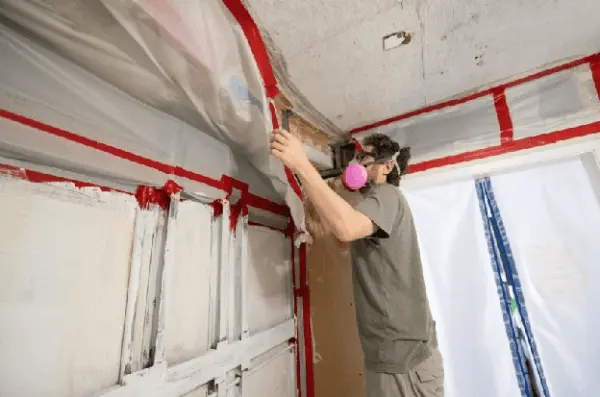
At Certified Restoration, our technicians conduct thorough inspections to identify areas with high moisture and mold growth. We contain affected areas, identify water sources, and address mold growth causes at their source.
Our process includes removing non-salvageable materials, drying all building materials to industry standards, and applying antimicrobial treatments to prevent recurrence. Testing confirms complete remediation.
Contact Certified Restoration for mold inspection and remediation in San Diego.
Frequently Asked Questions
Can mold grow from humidity alone?
Yes. When indoor humidity stays above 60% for extended periods, moisture settles on surfaces and creates conditions for mold growth. No leak or flood is required. Controlling humidity through ventilation and dehumidification helps prevent this.
How do I know if I have hidden mold?
A stale, damp smell, recurring allergy symptoms, and visible condensation may indicate hidden mold. If symptoms worsen at home and improve when you leave, mold could be present. Professional inspection can identify growth in areas you might not check.
Does running the AC prevent mold?
Air conditioning removes humidity, which helps prevent mold. However, problems with condensate drains, dirty filters, or improper cycling can contribute to moisture issues. Regular HVAC maintenance supports mold prevention.
Can mold grow behind walls without a leak?
Yes. Condensation from warm indoor air meeting cold surfaces can create enough moisture for mold to grow inside wall cavities. This commonly occurs on exterior walls, particularly in closets or behind furniture.
Is mildew the same as mold?
Mildew is a type of mold — typically a flat, surface-level growth found on tile, grout, caulk, and other bathroom surfaces exposed to regular moisture. It usually wipes away with routine cleaning. If it returns quickly after cleaning, or shows up on recently replaced grout or caulk, that repeat growth often points to trapped moisture behind the surface rather than a cleaning issue, and is worth a professional look.
What is the fastest way mold can start growing?
Mold can begin developing within 24 to 48 hours after moisture conditions become favorable. This applies whether moisture comes from a leak, humidity, condensation, or any other source.
Disclaimer: This article is for general information ONLY and is not intended to be legal, medical, or scientific advice. The proper approach to each project must be determined on a case-by-case basis. Certified Restoration always recommends that you call a certified restoration professional, especially when there are children, the elderly, or individuals with health conditions residing in the property.