
Water damage creates problems that extend beyond what you can see. Understanding how moisture mapping technology helps locate hidden moisture improves water damage remediation outcomes. Professional restoration teams use advanced detection equipment to find water in places regular inspections miss.
When water enters properties, it spreads into floors, walls, and ceilings. Visible water represents only part of the problem. Moisture detection technology reveals the complete picture, helping restoration professionals develop effective remediation plans.
Understanding Moisture Detection in Water Damage Restoration
Moisture detection forms the foundation of effective water damage remediation. Professional restoration companies use specialized equipment to identify where water has traveled throughout properties.
Water moves through building materials in ways that aren’t immediately obvious. Moisture can spread behind walls, under flooring, and into ceiling spaces without creating visible signs. Detection equipment helps professionals locate these hidden problem areas.
The restoration process depends on accurate moisture information. Detection technology provides the data needed to address all affected areas rather than just treating visible damage.
Key Technologies Used in Moisture Detection
Professional water damage restoration teams use several types of specialized equipment for moisture detection.
Moisture Meters
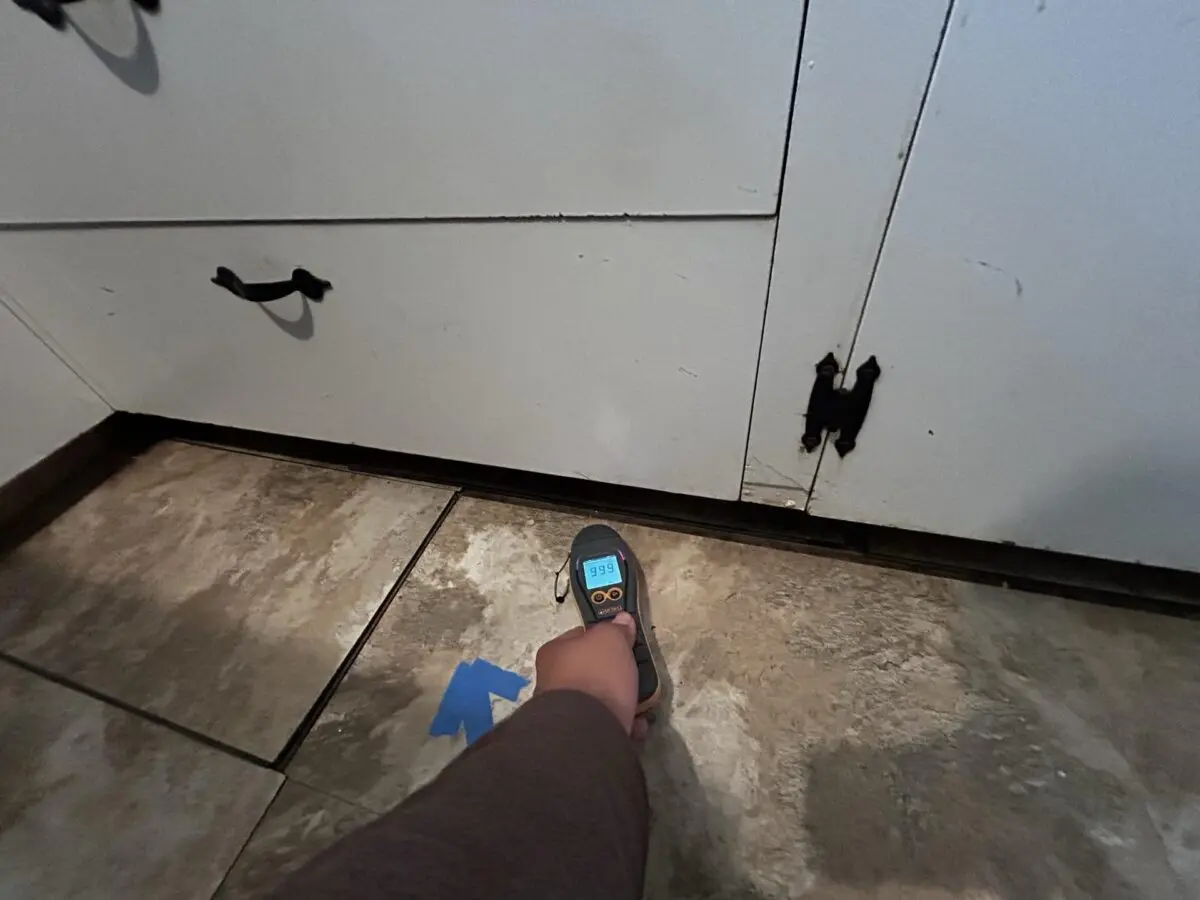
Moisture meters provide essential information about water content in building materials. These devices measure moisture levels in surfaces, including drywall, wood, and flooring. Taking readings in different areas allows comparison between affected and unaffected spaces.
Infrared Cameras
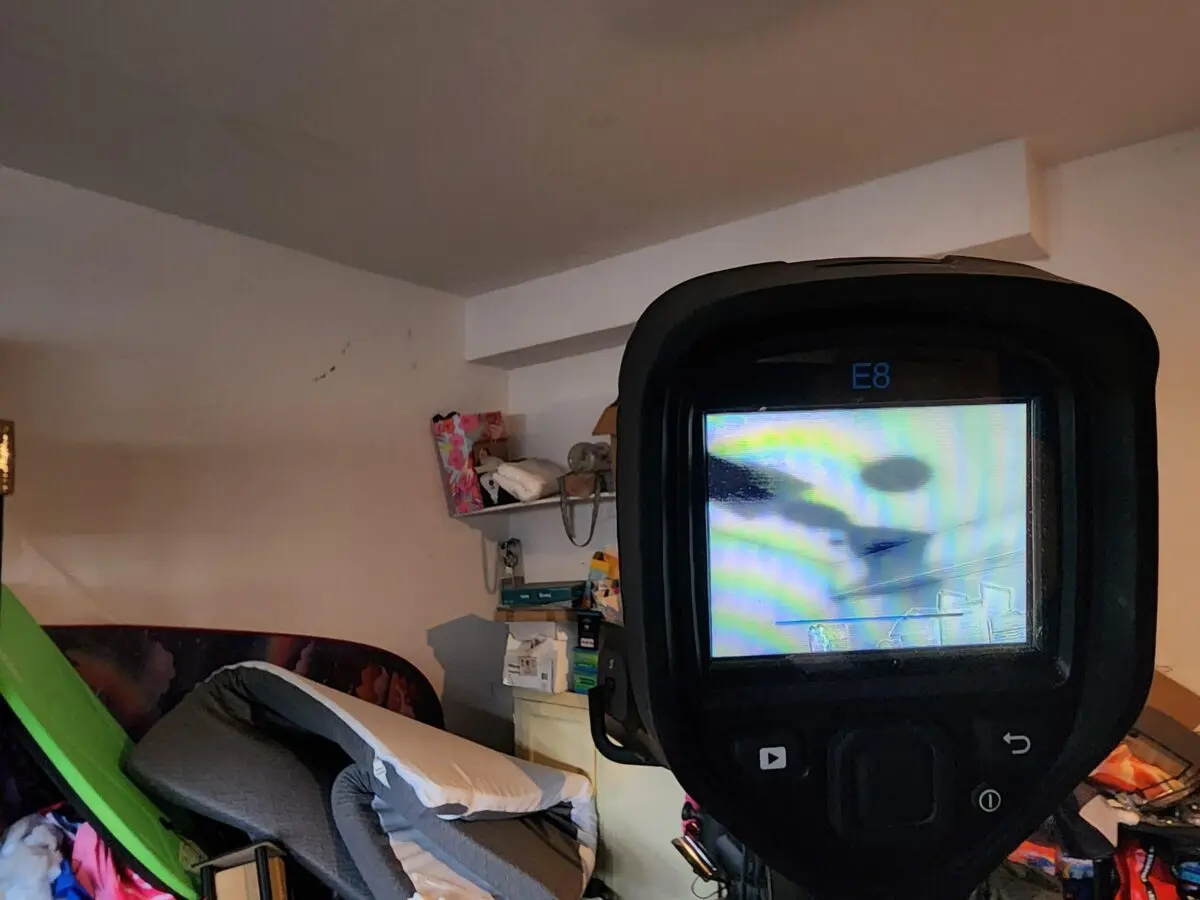
Infrared cameras detect temperature variations that indicate moisture presence. These cameras help identify wet areas behind walls, ceilings, and floors where moisture isn’t visible. IR cameras provide valuable information during initial damage assessment and help locate water sources.
Hygrometers
Hygrometers measure humidity levels in the air throughout affected spaces. Understanding relative humidity helps restoration professionals assess overall moisture conditions. Monitoring humidity levels ensures the drying process works effectively.
How Detection Technology Locates Hidden Moisture
Water damage often extends beyond visible areas. Detection equipment helps professionals find moisture in locations that regular inspections cannot reach. Moisture can accumulate behind baseboards, in wall cavities, and under flooring materials.
Professional technicians scan properties systematically. This thorough approach identifies all affected areas so restoration addresses the complete scope of water damage. Detection technology also helps locate water sources, allowing teams to stop water intrusion before beginning the drying process.
The Water Damage Restoration Process
Water damage restoration follows systematic steps that address both visible and hidden moisture. Restoration begins with a comprehensive property inspection using detection equipment to find hidden moisture. This assessment determines the full extent of water damage.
Teams use submersible pumps and extraction equipment to eliminate visible water quickly. Fast water removal reduces damage and prevents moisture from spreading further.
Professional teams use dehumidifiers and air movers to remove moisture while detection equipment monitors progress. Technicians take repeated moisture readings to verify consistent drying. After drying, affected areas receive thorough cleaning and sanitizing before final restoration work begins.
Benefits of Comprehensive Moisture Detection
Using detection technology throughout water damage restoration provides significant advantages. Moisture left in building materials causes secondary damage over time, including mold growth, wood rot, and structural deterioration. Detection technology finds moisture in hidden areas, allowing restoration teams to address problems before secondary damage develops.
Detection equipment verifies that materials have dried completely. Moisture meters confirm that building materials have returned to normal moisture levels. Understanding exactly where moisture exists helps restoration teams work efficiently by focusing drying equipment on areas that need it.
The Role of Professional Restoration Teams
Professional restoration requires expertise beyond equipment operation. Trained technicians understand how to interpret detection equipment readings. Moisture readings mean different things in different materials and situations.
Professional teams understand building construction and know how water moves through structures. Certified Restoration serves San Diego County with comprehensive water damage restoration services. The team arrives equipped with hygrometers, infrared cameras, and moisture detectors.
Why Professional Equipment Matters
Professional detection equipment provides accuracy that consumer-grade tools cannot match. Commercial moisture meters offer greater precision. Infrared cameras detect smaller temperature differences that help find minor moisture problems. Professional hygrometers provide precise humidity measurements that optimize drying equipment performance.
Getting Professional Water Damage Help in San Diego
Water damage requires prompt professional attention to prevent ongoing problems. When water damage occurs, a quick response matters. Professional teams arrive equipped with detection technology and restoration equipment.
Certified Restoration provides 24/7 emergency response for water damage situations throughout San Diego County. For immediate help with water damage, contact Certified Restoration to receive professional restoration services.
Frequently Asked Questions
What is moisture mapping in water damage restoration?
Moisture mapping uses specialized detection equipment, including moisture meters, infrared cameras, and hygrometers, to locate and measure water throughout properties. This technology identifies both visible and hidden moisture in walls, floors, and ceilings. Professional restoration teams use this information to develop comprehensive drying plans that address all affected areas rather than just treating visible damage.
How do infrared cameras detect hidden moisture?
Infrared cameras detect temperature variations that indicate moisture presence behind walls, ceilings, and floors. Wet materials have different temperatures from dry materials, creating patterns visible through thermal imaging. This technology allows restoration professionals to locate moisture in areas that aren’t visible during regular inspection, helping identify the full extent of water damage.
Why can’t I just dry visible water and damage myself?
Water spreads beyond visible areas into building materials where regular cleaning cannot reach. Moisture meters and detection equipment reveal hidden water that causes ongoing damage and mold growth when left untreated. Professional restoration teams have the equipment and expertise to find all moisture and ensure complete drying that protects properties from secondary damage.
What equipment does Certified Restoration use for moisture detection?
Certified Restoration arrives equipped with advanced tools, including hygrometers, infrared cameras, and moisture detectors. These professional-grade instruments help identify moisture problems throughout properties. The team uses this equipment to assess water damage completely and guide effective restoration that addresses all affected areas.
How long does the drying process take after water damage?
Drying duration depends on the extent of water damage, the affected materials, and environmental conditions. Professional teams use detection equipment to monitor moisture levels throughout the drying process. Restoration continues until moisture meters confirm that building materials have returned to appropriate dryness levels. This verification ensures complete restoration rather than arbitrary timing.
Can moisture detection prevent mold growth after water damage?
Yes, thorough moisture detection helps prevent mold growth by locating all water in affected properties. Mold develops when moisture remains in building materials. Detection equipment finds hidden moisture that visual inspection misses, allowing restoration teams to dry all affected areas before mold can establish itself. Complete moisture removal protects indoor air quality and prevents mold problems.
Does insurance cover water damage restoration with moisture detection?
Many homeowners’ insurance policies cover water damage restoration when damage results from sudden incidents like burst pipes. Coverage often includes professional services needed for proper restoration. Certified Restoration works directly with insurance companies in San Diego to help property owners receive appropriate coverage for restoration work, including moisture detection and drying services.
Disclaimer: This article is for general information ONLY and is not intended to be legal, medical, or scientific advice. The proper approach to each project must be determined on a case-by-case basis. Certified Restoration always recommends that you call a certified restoration professional, especially when there are children, the elderly, or individuals with health conditions residing in the property.