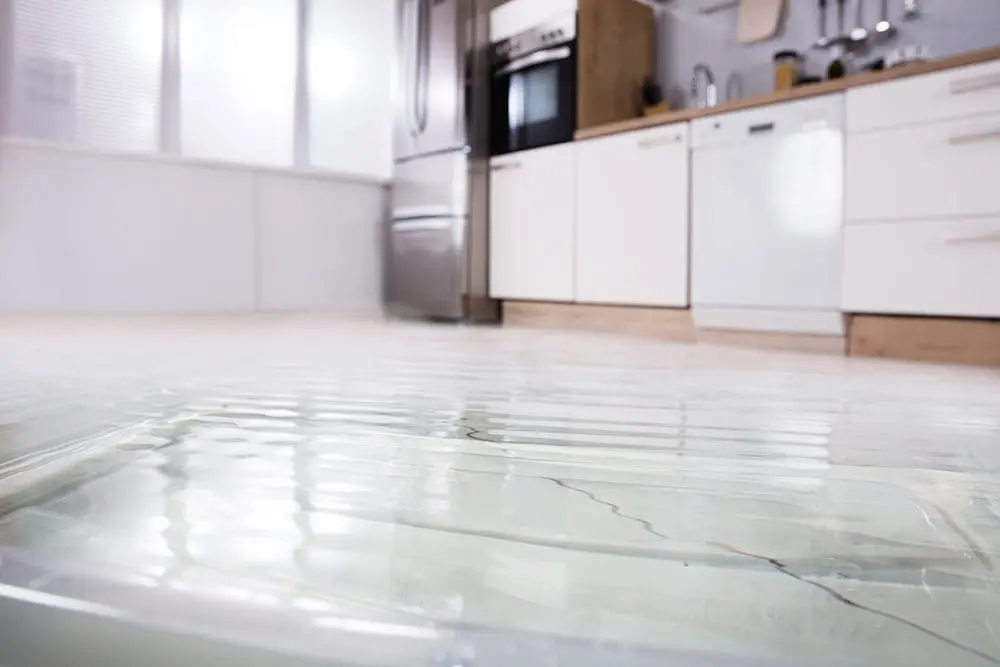
Floodwater brings much more than just moisture into your home. It carries dangerous bacteria, viruses, chemicals, and debris that create serious health hazards requiring thorough sanitization. Understanding how to sanitize after a flood properly protects your family from illness while restoring your property to safe, livable conditions.
Many homeowners underestimate the contamination risks from floodwater and attempt cleanup with regular household products. This approach fails to eliminate dangerous pathogens and can spread contamination throughout previously clean areas. Proper sanitization requires specific techniques, approved disinfectants, and safety protocols.
Understanding Floodwater Contaminants
Floodwater contains a mixture of dangerous substances that pose serious health risks and require specialized treatment for safe removal.
Bacterial Contamination
Floodwater carries numerous harmful bacteria, including E. coli, Salmonella, Shigella, and Campylobacter from sewage systems, agricultural runoff, and animal waste. These organisms cause severe gastrointestinal illness and can survive on surfaces for days or weeks after flooding subsides.
Bacterial contamination spreads through direct contact, inhalation of contaminated dust, and accidental ingestion from contaminated surfaces. Even trace amounts can cause serious illness in healthy adults and children.
Viral Pathogens
Floodwater contains dangerous viruses, including Hepatitis A, Norovirus, and various respiratory viruses that remain viable outside the human body for extended periods. These pathogens cause severe illness and spread easily between family members through contaminated surfaces.
Chemical Hazards
Flooding mobilizes household chemicals, petroleum products, pesticides, and industrial contaminants that create toxic exposure risks. These chemicals can cause skin burns, respiratory problems, and long-term health effects from prolonged exposure.
Parasitic Organisms
Floodwater introduces parasites like Giardia and Cryptosporidium that cause persistent digestive illness lasting months or years. These organisms resist standard disinfection methods and require specific treatment protocols for elimination.
Safety Precautions and Protective Equipment
Proper protection during flood sanitization prevents exposure to dangerous contaminants while ensuring effective cleaning procedures.
Personal Protective Equipment
Wear waterproof boots, rubber gloves, and protective clothing that covers all skin surfaces during sanitization work. N95 or P100 respirators protect against airborne contaminants and prevent inhalation of dangerous particles.
Eye protection prevents splash contamination from cleaning solutions and contaminated water. Full-face respirators provide superior protection in heavily contaminated areas.
Ventilation Requirements
Ensure adequate ventilation during sanitization work by opening windows and using fans to provide fresh air circulation. Proper ventilation removes airborne contaminants and prevents the buildup of disinfectant vapors.
Utility Safety Checks
Turn off electricity to flooded areas before beginning sanitization work. Water and electricity create electrocution hazards that can cause serious injury or death during cleanup activities.
Check for gas leaks and turn off gas supplies if flooding affects gas lines or appliances. Never use electrical equipment in wet areas until qualified technicians verify safety.
Step-by-Step Sanitization Process
Effective flood sanitization follows systematic procedures that ensure the complete removal of contamination while preventing cross-contamination.
Initial Cleanup and Removal
Remove all standing water using pumps, wet vacuums, or professional extraction equipment. Standing water prevents effective sanitization and continues harboring dangerous pathogens throughout the cleanup process.
Remove and discard all porous materials including carpeting, padding, upholstered furniture, and damaged drywall. These materials cannot be effectively sanitized and continue posing health risks if retained.
Surface Cleaning Procedures
Clean all hard surfaces with detergent solutions to remove visible dirt and debris before applying disinfectants. Cleaning removes organic matter that interferes with disinfectant effectiveness and ensures proper pathogen elimination.
Scrub surfaces thoroughly with brushes or abrasive pads to remove embedded contamination. Pay special attention to textured surfaces, corners, and crevices where contaminants accumulate.
Disinfection Application
Apply EPA-registered disinfectants according to manufacturer instructions for contact time and application methods. Different pathogens require different contact times for effective elimination, making proper application essential.
Professional flood restoration services use hospital-grade disinfectants that eliminate all common floodwater pathogens effectively.
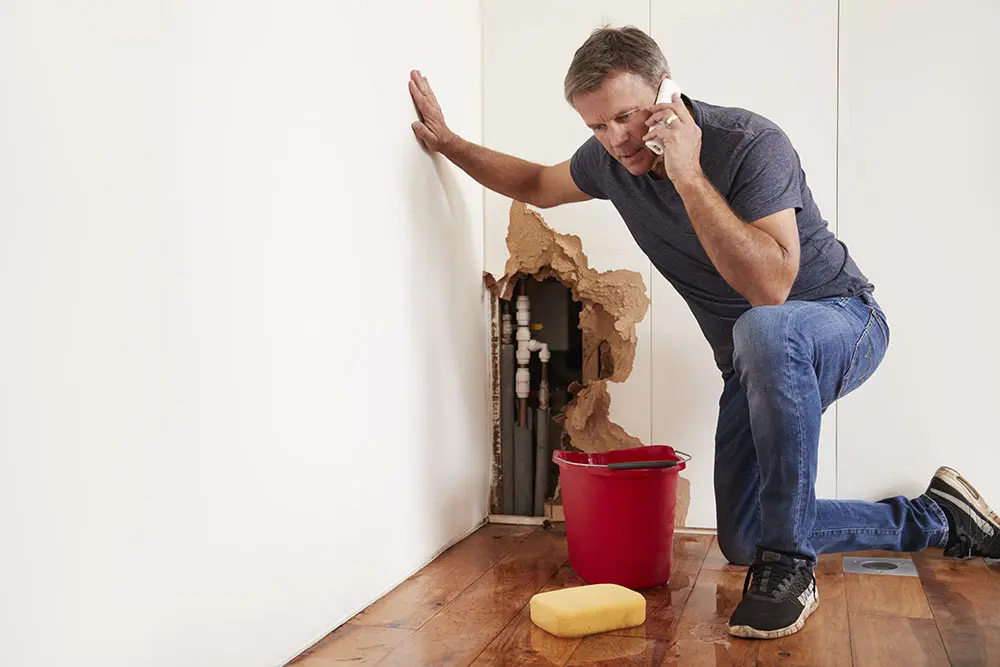
EPA-Registered Disinfectants for Flood Cleanup
The Environmental Protection Agency maintains lists of approved disinfectants that effectively eliminate floodwater contaminants when used properly.
Bleach-Based Solutions
Household bleach diluted to proper concentrations provides effective disinfection against most bacteria and viruses found in floodwater. Use one cup of bleach per gallon of water for general surface disinfection.
Bleach solutions lose effectiveness quickly and must be mixed fresh daily. Never mix bleach with other chemicals, as this creates dangerous gas that can cause serious respiratory injury.
Quaternary Ammonium Compounds
Commercial disinfectants containing quaternary ammonium compounds provide broad-spectrum pathogen elimination with longer-lasting residual effects than bleach solutions.
These products work effectively against bacteria, viruses, and some parasites while being less corrosive than bleach on metal surfaces and equipment.
Phenolic Disinfectants
Phenolic compounds provide excellent disinfection against resistant organisms and remain effective in the presence of organic matter that reduces other disinfectants.
Alcohol-Based Disinfectants
Isopropyl alcohol at 70% concentration provides rapid disinfection against bacteria and viruses while evaporating quickly without leaving residues.
Application Techniques and Contact Times
Proper disinfectant application ensures the effective elimination of pathogens while preventing waste and safety hazards during sanitization work.
Surface Preparation
Clean surfaces thoroughly before disinfectant application to remove organic matter that interferes with pathogen elimination. Dirty surfaces prevent disinfectants from contacting pathogens effectively.
Allow surfaces to dry completely after cleaning and before disinfectant application. Wet surfaces dilute disinfectants and reduce effectiveness against target organisms.
Contact Time Requirements
Follow manufacturer specifications for contact times required for effective pathogen elimination. Most disinfectants require several minutes of surface contact for complete effectiveness.
Keep treated surfaces wet during the entire contact time period. Surfaces that dry before the required contact time may not achieve complete disinfection.
Professional vs. DIY Sanitization
While homeowners can handle minor flooding and sanitization, extensive contamination requires professional expertise and specialized equipment for safe and effective treatment.
When to Call Professionals
Commercial properties always require professional sanitization due to liability concerns and regulatory requirements that affect business operations.
Extensive residential flooding, sewage contamination, or chemical spills require professional assessment and treatment that exceeds the typical homeowner’s capabilities and safety equipment.
Professional Advantages
Professional restoration companies like Certified Restoration use industrial-grade equipment and EPA-registered disinfectants that provide superior contamination elimination compared to consumer products.
Professional teams understand proper application techniques, safety protocols, and verification testing that ensure complete sanitization before property reoccupation.
Verification and Testing
Proper sanitization involves verification procedures that confirm the effective removal of contamination and ensure safe conditions for property reoccupation.
Air quality testing measures airborne contaminants and ensures that sanitization procedures eliminate dangerous pathogens from indoor environments. Surface testing verifies that disinfection procedures eliminate target organisms from treated surfaces.
Ensure a Safe Home with Certified Cleaning Experts
Understanding how to sanitize after a flood requires knowledge of contamination risks, proper safety equipment, and effective disinfection procedures that eliminate dangerous pathogens. Floodwater contamination poses serious health risks that demand systematic sanitization using EPA-registered disinfectants and proven application techniques.
While minor flooding may allow for homeowner sanitization efforts, extensive contamination requires professional expertise and equipment to ensure complete pathogen elimination. Investing in proper sanitization protects family health and prevents ongoing contamination issues.
When flooding affects your property, prioritize safety and effective sanitization over speed and cost savings. Contact qualified restoration professionals for assessment and sanitization services that ensure complete contamination removal and safe property conditions.
Frequently Asked Questions
What concentration of bleach should I use for flood sanitization?
Use one cup of household bleach (5.25% sodium hypochlorite) mixed with one gallon of water for general surface disinfection after flooding. This creates approximately a 1000 ppm chlorine solution effective against most floodwater pathogens. Mix fresh solutions daily as bleach loses effectiveness quickly when diluted.
How long should disinfectants remain on surfaces to be effective?
Most EPA-registered disinfectants require 5-10 minutes of surface contact time for effective pathogen elimination. Keep surfaces wet throughout the entire contact period. If surfaces dry before the required time, reapply disinfectant. Check manufacturer labels for specific contact time requirements, as they vary by product and target organisms.
Can I use regular household cleaners instead of EPA-registered disinfectants?
Regular household cleaners like dish soap and all-purpose cleaners remove dirt but don’t eliminate dangerous pathogens found in floodwater. Only EPA-registered disinfectants with specific pathogen kill claims provide adequate protection against bacteria, viruses, and parasites common in flood contamination.
What safety equipment do I need for flood sanitization work?
Essential safety equipment includes waterproof boots, rubber gloves, protective clothing covering all skin, and N95 or P100 respirators. Eye protection prevents splash contamination from cleaning solutions. For heavily contaminated areas, consider full-face respirators and disposable protective suits for maximum safety.
When should I call professionals instead of sanitizing myself?
Call professionals for extensive flooding, sewage contamination, chemical spills, or if you lack proper safety equipment. Commercial properties always need professional sanitization due to liability and regulatory requirements. Also seek professional help if you experience health symptoms during cleanup or feel overwhelmed by the extent.