
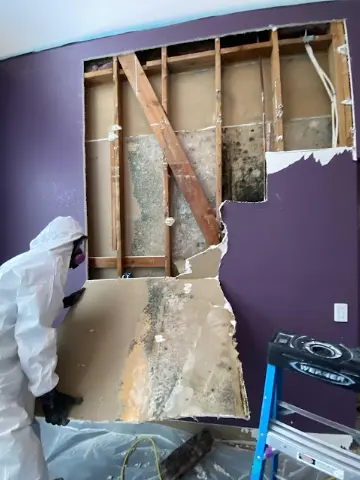
Water damage can leave more behind than wet floors and stained ceilings. Hidden mold often begins growing in walls, under flooring, and inside air ducts long before you notice any visible signs. If you’ve recently experienced a leak, pipe burst, or flooding in your San Diego County home, knowing how to inspect for mold is essential for protecting both your property and your family’s health. Certified Restoration, Inc helps homeowners identify and address water damage quickly—often preventing mold from taking hold in the first place.
Mold spores need just 24 to 48 hours of moisture exposure to start colonizing building materials. San Diego’s coastal humidity can accelerate this process, especially in areas like basements, crawl spaces, and poorly ventilated bathrooms. This guide walks you through seven clear steps to check your home for hidden mold after water damage, plus explains when it’s time to call in IICRC-certified professionals for a thorough assessment.
Quick Guide: How to Check for Hidden Mold in 7 Easy Steps
- Gather Your Inspection Tools: Collect a flashlight, moisture meter, gloves, and an N95 mask before starting.
- Identify High-Risk Areas: Focus on rooms and spaces that experienced water exposure or have poor ventilation.
- Look for Visible Warning Signs: Search for discoloration, bubbling paint, warped materials, and dark spots on surfaces.
- Use Your Nose to Detect Musty Odors: A persistent earthy smell often indicates hidden mold growth nearby.
- Check Moisture Levels in Walls and Floors: Use a moisture meter to find damp spots—Certified Restoration, Inc uses professional-grade equipment for accurate readings.
- Inspect Behind Walls and Under Flooring: Carefully examine wall cavities, beneath carpets, and inside cabinets for hidden growth.
- Decide If You Need Professional Mold Testing: Determine whether the situation requires expert assessment and lab analysis.
How to Inspect Your Home for Hidden Mold After Water Damage
1. Gather Your Inspection Tools
Before you begin your mold inspection, you’ll need a few basic supplies. A bright LED flashlight helps you see into dark corners, closets, and crawl spaces where mold often hides. An N95 respirator mask protects your lungs from airborne spores during the inspection process.
Grab a pair of nitrile gloves to avoid direct contact with any mold you find. If you have access to a moisture meter, bring it along—these devices detect dampness in building materials even when surfaces appear dry. A smartphone or camera is useful for documenting any suspicious areas you discover.
Consider bringing a small step ladder to access high areas like ceiling corners and the tops of cabinets. A notebook helps you track which areas you’ve inspected and any concerns you want to follow up on later.
2. Identify High-Risk Areas
Not every room carries the same mold risk after water damage. Focus your inspection on areas that were directly affected by the water event, plus spaces that tend to trap moisture. Bathrooms, kitchens, laundry rooms, and basements top the list.
In San Diego homes, pay special attention to areas near water heaters, under sinks, around washing machine connections, and beneath dishwashers. These appliance zones frequently develop slow leaks that go unnoticed for weeks. Crawl spaces and attics also deserve careful attention, particularly in older homes with limited ventilation.
Don’t overlook HVAC systems. Air conditioning units and ductwork can harbor mold when condensation builds up. If your water damage affected any rooms connected to central air, the ductwork may need inspection as well.
3. Look for Visible Warning Signs
Mold doesn’t always appear as obvious black spots. It can show up as fuzzy patches in shades of green, white, gray, brown, or black. Check walls, ceilings, window frames, and baseboards for any unusual discoloration or texture changes.
Peeling or bubbling paint often signals moisture trapped beneath the surface—a prime condition for mold colonization. Warped or buckled flooring indicates water absorption in the subfloor, another common hiding spot. Stains that appear yellow, brown, or ring-shaped frequently point to water damage that may have led to mold growth.
Look closely at grout lines in bathrooms and kitchens. Darkened grout, especially if it has changed color since the water event, may indicate early mold colonization. Ceiling tiles, wood paneling, and drywall near windows are other areas where visual signs often appear first.
4. Use Your Nose to Detect Musty Odors
Your sense of smell is one of your most reliable mold detection tools. Mold produces microbial volatile organic compounds (MVOCs) that create a distinctive musty, earthy scent. If you notice this odor—especially in rooms that recently had water damage—mold is likely growing somewhere nearby.
Walk slowly through each room and pause to smell the air. The odor may be stronger in certain spots, which can help you narrow down the location. Pay attention to areas near floor level, as mold often develops at the base of walls where moisture collects.
If the musty smell intensifies when you open closets, cabinets, or access panels, investigate those enclosed spaces more closely. Sometimes mold grows extensively in hidden areas while remaining invisible from the main living space.

5. Check Moisture Levels in Walls and Floors
Moisture meters are valuable tools for detecting dampness that your eyes and nose might miss. These devices measure the water content in building materials and can reveal wet zones behind intact drywall or under seemingly dry flooring. You can purchase a basic pin-type moisture meter at most hardware stores.
Press the meter’s probes against walls, flooring, and other surfaces in your high-risk areas. Normal readings vary by material, but any reading above 15-20% moisture content in wood or drywall warrants concern. Focus on areas near the floor, around windows, and adjacent to any plumbing fixtures.
Professional restoration teams use more advanced equipment including thermal imaging cameras that can visualize temperature differences caused by moisture. If your meter shows elevated readings in multiple areas, or you suspect moisture deep inside walls, professional moisture mapping may be necessary.
6. Inspect Behind Walls and Under Flooring
Hidden mold grows most aggressively in spaces you can’t easily see. If your visual inspection and moisture readings suggest problems, you may need to look inside wall cavities or beneath flooring materials. Approach this step carefully to avoid spreading spores.
Start with non-destructive methods. Remove electrical outlet covers in suspect areas and use your flashlight to peer into the wall cavity. Check under carpet edges by gently lifting corners near walls. Open cabinet doors and examine the back panels and floor beneath.
If you see mold growth on visible surfaces, there’s often more growing deeper inside the material. According to the EPA’s mold remediation guidelines, hidden mold frequently exists behind wallboard and under flooring when water damage has occurred. For areas requiring drywall removal or subfloor access, consider calling a professional to avoid inadvertently spreading contamination.
7. Decide If You Need Professional Mold Testing
After completing your inspection, assess what you’ve found. Small amounts of surface mold on non-porous materials (less than 10 square feet) can often be cleaned with household products and proper protective equipment. Larger areas, mold in HVAC systems, or growth behind walls typically require professional remediation.
Consider professional mold testing if you smell persistent musty odors but can’t locate the source, if anyone in your household experiences unexplained respiratory symptoms, or if the water damage involved contaminated water (such as sewage backup or floodwater). Testing identifies specific mold species and confirms whether remediation efforts have been successful.
Keep in mind that some mold situations require specialized expertise. The IICRC S520 standard for professional mold remediation outlines protocols that certified technicians follow to safely remove mold while preventing cross-contamination to unaffected areas of your home.
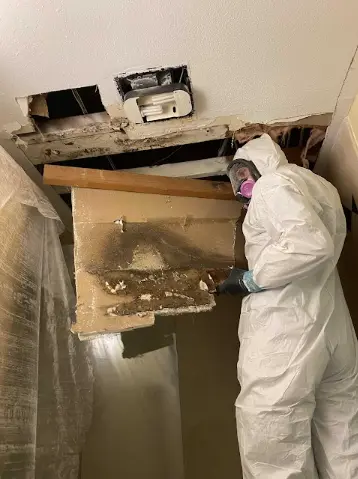
How Long Does Mold Take to Grow After Water Damage?
Mold can begin colonizing damp materials surprisingly fast. According to the EPA, mold growth typically starts within 24 to 48 hours when moisture is present. This timeline makes quick action after water damage critical.
During the first day, mold spores—which exist naturally in indoor and outdoor air—settle onto wet surfaces and begin absorbing moisture. By days three through five, small colonies may form and musty odors often become noticeable. After a week or more without proper drying, mold can spread extensively through building materials.
San Diego’s coastal climate adds another factor. Higher ambient humidity slows the natural drying process and can push indoor humidity above the 60% threshold where mold thrives. Properties near the coast, in low-lying areas, or with older HVAC systems face elevated risk if water damage isn’t addressed quickly.
What Makes San Diego Homes Vulnerable to Hidden Mold?
San Diego County’s Mediterranean climate creates specific conditions that affect mold growth. While the region enjoys mild temperatures year-round, coastal humidity and occasional atmospheric river storms introduce moisture challenges that homeowners should understand.
Homes near the beach experience higher baseline humidity from marine layer moisture. This constant dampness can contribute to chronic moisture issues in crawl spaces, attics, and poorly ventilated bathrooms. During winter rainy seasons, atmospheric rivers can dump several inches of rain in short periods, overwhelming drainage systems and causing flooding in vulnerable properties.
Older San Diego homes may have construction features that increase mold risk, including:
- Single-pane windows that promote condensation
- Inadequate bathroom and kitchen exhaust ventilation
- Slab foundations that trap moisture
- Aging plumbing prone to slow leaks
Newer homes built to modern energy efficiency standards sometimes have different vulnerabilities—tighter building envelopes can trap moisture if ventilation systems aren’t properly designed. Understanding your home’s specific characteristics helps you focus your mold inspection efforts.
How Certified Restoration, Inc Helps You Find and Address Hidden Mold
When DIY inspection isn’t enough, Certified Restoration, Inc offers professional mold assessment and remediation services for San Diego County homeowners. Our IICRC-certified technicians use advanced moisture detection equipment, including thermal imaging cameras and professional-grade hygrometers, to locate hidden water damage and mold growth that visual inspection might miss.
Certified Restoration, Inc specializes in in-place drying techniques that allow you to remain in your home during remediation—reducing disruption and minimizing costs compared to traditional restoration approaches. Our team responds quickly to prevent mold from establishing itself after water damage, and we work directly with insurance providers to simplify the claims process.
Our Humie humidity monitoring sensors can help you track ambient conditions in your home and receive alerts when humidity rises to levels that encourage mold growth. For properties with ongoing moisture concerns, the AlertAQ™ dashboard delivers real-time data so you can address problems before they become serious.
If you’ve experienced water damage and suspect hidden mold may be growing in your San Diego home, contact Certified Restoration, Inc for an inspection. Early detection and proper remediation protect your property value and your family’s health.
FAQs About How to Check for Hidden Mold After Water Damage
How can I tell if mold is growing inside my walls?
Look for peeling paint, warped drywall, or water stains on wall surfaces. A persistent musty odor that intensifies near certain walls often indicates hidden growth. Certified Restoration, Inc uses moisture meters and thermal imaging to detect mold behind intact drywall without unnecessary demolition.
Is all mold after water damage dangerous?
Not all mold species pose the same health risks, but any indoor mold growth should be addressed. Exposure can trigger allergic reactions, respiratory irritation, and headaches in sensitive individuals. Professional testing can identify specific mold types if health concerns arise.
Can I clean mold myself or do I need professionals?
Small areas of surface mold (under 10 square feet) on non-porous materials can often be cleaned with proper protective equipment. Larger infestations, mold in HVAC systems, or growth inside wall cavities typically require professional remediation. Certified Restoration, Inc follows IICRC S520 protocols to ensure safe and thorough removal.
How much does professional mold inspection cost in San Diego?
Mold inspection costs vary based on home size and complexity. Many restoration companies, including Certified Restoration, Inc, offer assessments that can be applied toward remediation services. Contact our team for a consultation specific to your situation.
Will my homeowner’s insurance cover mold remediation?
Coverage depends on your policy and the cause of the mold. Mold resulting from sudden water damage (like a burst pipe) is often covered, while mold from ongoing maintenance issues may not be. Certified Restoration, Inc works directly with insurance providers and can help document damage for your claim.
How do I prevent mold from returning after remediation?
Keep indoor humidity below 50%, fix any water leaks promptly, and ensure proper ventilation in bathrooms and kitchens. Certified Restoration, Inc can install Humie humidity sensors that alert you when moisture levels rise, helping you address conditions that promote mold growth before problems develop.