
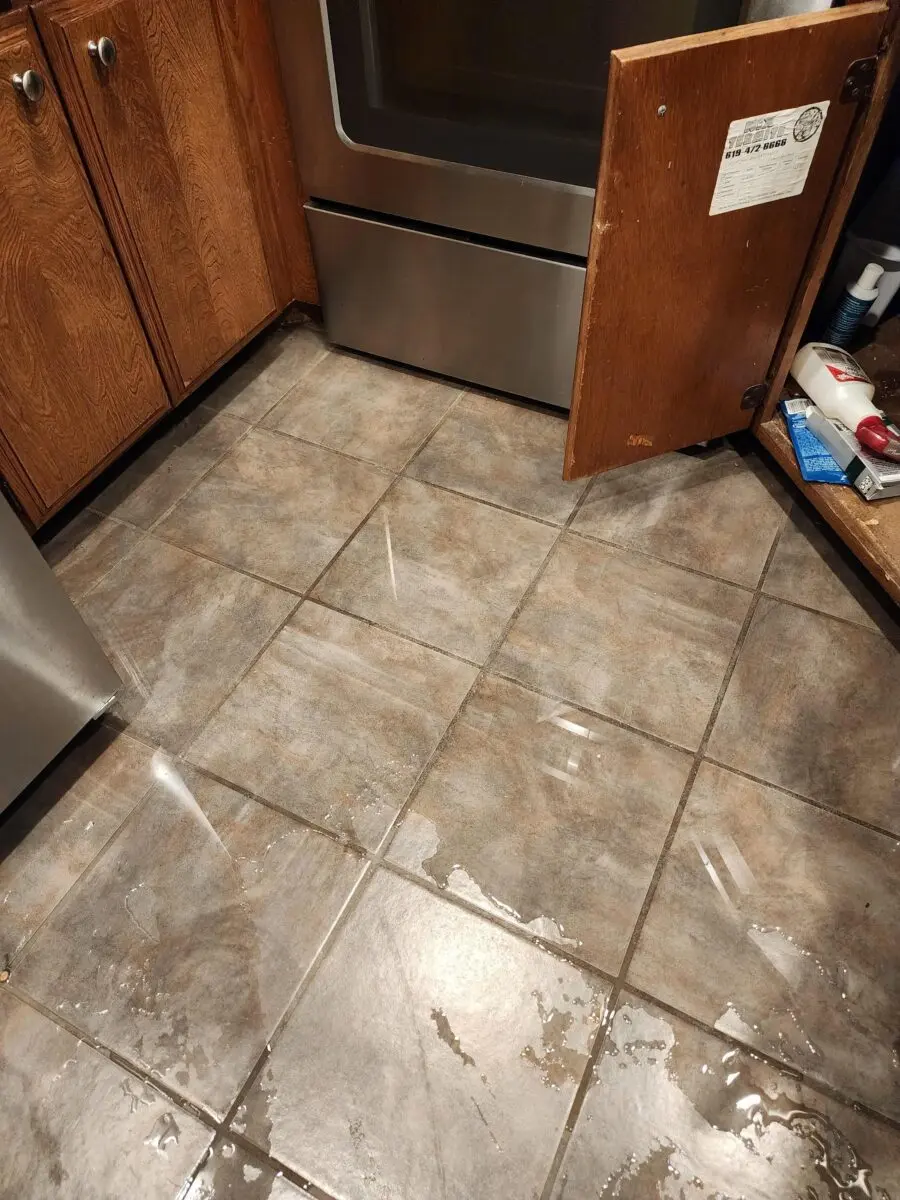
Water leaks do not always announce themselves with dramatic flooding. In fact, the most damaging leaks often go unnoticed for weeks or months. Hidden water damage San Diego homeowners face can occur behind walls, beneath flooring, and above ceilings, where moisture slowly destroys building materials without any visible warning.
San Diego’s mild climate might seem like protection against water problems, but older plumbing systems, seasonal rains, and daily wear on fixtures create plenty of opportunities for hidden leaks. Learning to spot these problems early helps you avoid expensive repairs down the road.
Warning Signs of Hidden Water Damage San Diego Homeowners Should Know
Detecting these issues requires attention to subtle changes around your home. These warning signs indicate moisture may be present where you cannot see it.
Visual Indicators
Watch for these changes in your walls, ceilings, and floors:
- Discoloration or staining that appears without explanation
- Paint bubbling, peeling, or flaking in specific areas
- Wallpaper separating from the wall surface
- Warped or buckled flooring
- Sagging or bowed sections in ceilings
- Dark spots appearing in corners or along edges
Sensory Clues
Your nose and ears can help detect problems before they become visible:
- Musty odors that persist despite cleaning, particularly in enclosed spaces
- The sound of running water when all fixtures are turned off
- Dripping sounds behind walls or under floors
Behavioral Changes in Your Home
Pay attention to unusual patterns that suggest water problems:
- Sudden increases in water bills without changes in usage
- Water pressure drops throughout your home
- Hot water taking longer to reach fixtures
- Toilets running intermittently
Common Sources of Hidden Leaks
Understanding where leaks typically occur helps you monitor high-risk areas more closely.
Plumbing System Failures
Most hidden water damage San Diego homes experience comes from plumbing issues:
- Aging supply lines behind walls
- Corroded pipe connections at joints
- Failed water heater connections
- Washing machine and dishwasher hoses
- Toilet supply lines and wax ring seals
- Shower pan failures and grout deterioration
Building Envelope Problems
Water can enter from outside through:
- Roof damage allowing rain infiltration
- Failed window and door seals
- Cracks in stucco or exterior walls
- Poor drainage directing water toward foundations
- Clogged gutters causing overflow
Prevention Strategies for San Diego Homeowners
Taking proactive steps reduces your risk of experiencing the hidden water damage that San Diego homes often suffer from. Regular maintenance and smart upgrades protect your property.
Regular Inspection Routines
Create a schedule for checking vulnerable areas:
- Examine under sinks monthly for moisture, corrosion, or dripping
- Check water heater connections and the floor beneath it
- Look behind appliances like refrigerators with water lines
- Inspect visible pipes in basements, crawl spaces, and utility areas
- Review your water bill for unexplained increases
Maintenance Best Practices
These habits reduce leak risks:
- Replace aging washing machine hoses or upgrade to braided stainless steel
- Have your plumbing system inspected periodically by a licensed plumber
- Clear gutters and downspouts to prevent water backup
- Maintain proper drainage away from your foundation
- Address small leaks immediately before they grow
Smart Water Technology
Modern leak detection tools provide early warnings. Smart water sensors can monitor areas prone to leaks and send alerts to your phone when moisture is detected. Some systems even shut off water automatically when they sense a problem, preventing extensive damage while you are away from home.
Moisture Detection Methods
When you suspect hidden water damage, several approaches help confirm the problem.
DIY Detection Techniques
Homeowners can try these basic methods:
- The water meter test: Turn off all fixtures, record the meter reading, wait three hours without using water, then check again. Increased usage indicates a leak.
- Feel walls and flooring for soft spots or unusual dampness
- Use a flashlight to check dark areas under sinks and behind toilets
- Monitor specific areas over several days for changes
Professional Detection Equipment
Restoration professionals use specialized tools that locate moisture without damaging walls or floors:
- Moisture meters measure water content in building materials
- Thermal imaging cameras reveal temperature differences caused by moisture
- Acoustic detection equipment locates leaks within walls and under slabs
These tools pinpoint problems accurately, allowing targeted repairs rather than exploratory demolition.
Insurance Considerations for Water Damage
Understanding your coverage before problems occur helps you respond appropriately when damage is discovered.
What Standard Policies Cover
Most homeowners’ policies cover sudden and accidental water damage, such as:
- Burst pipes
- Appliance malfunctions causing flooding
- Roof leaks from covered events like storms
Coverage Limitations
Standard policies typically exclude:
- Gradual leaks that develop over time
- Damage from poor maintenance or neglect
- Flooding from external sources like rising groundwater
Review your policy to understand your specific coverage. Consider flood insurance if you live in a flood-prone area, as standard homeowners insurance does not cover flood damage.
Documentation Practices
If you discover water damage:
- Photograph and video all affected areas immediately
- Keep records of all damaged items
- Save receipts for emergency repairs and temporary accommodations
- Contact your insurance company promptly to report the damage
When to Call a Restoration Professional
Some situations require immediate professional help. Contact a water damage restoration company if you notice:
- Standing water in your home
- Visible mold growth anywhere
- Structural damage like sagging ceilings or walls
- Water damage affecting electrical systems
- Sewage backup or contaminated water
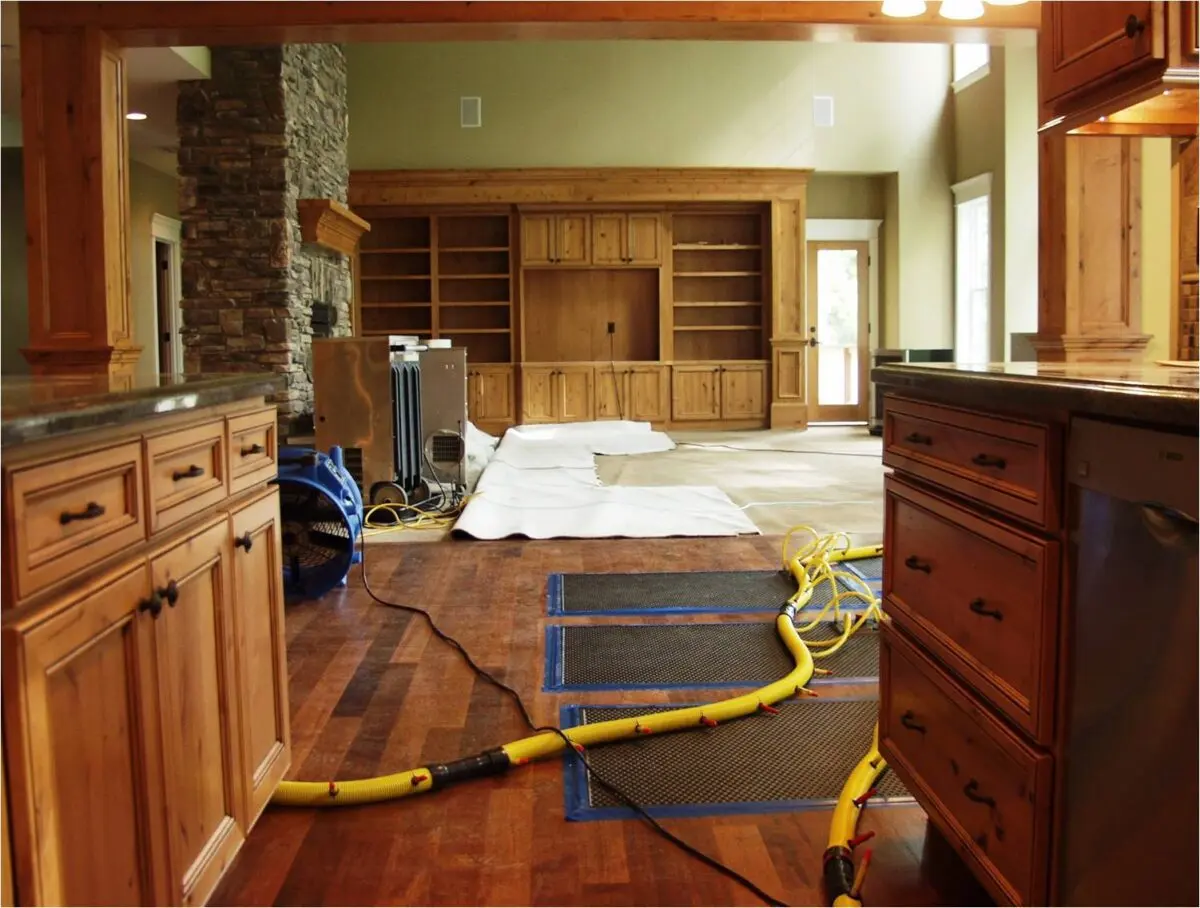
Licensed professionals have the equipment to find moisture in hidden areas, remove standing water, and dry affected spaces completely. Attempting major water damage cleanup without proper tools often leads to incomplete drying and eventual mold growth.
San Diego Water Damage Restoration Services
At Certified Restoration, we help San Diego homeowners detect and repair hidden water damage San Diego properties experience. Our certified technicians use advanced moisture detection equipment to find water behind walls and under floors.
We provide flood restoration and mold remediation services to address damage at every stage. When you suspect hidden water damage, early intervention helps minimize damage and keep restoration costs down.
Contact Certified Restoration for professional water damage assessment and restoration.
Frequently Asked Questions
How do I know if I have hidden water damage in my walls?
Look for discoloration, bubbling paint, or soft spots when you press on the wall. Musty odors in specific areas often indicate moisture behind surfaces. Unexplained increases in your water bill may also signal a hidden leak that needs investigation.
How quickly can hidden water leaks cause mold growth?
Mold can start forming within 24 to 48 hours after moisture appears. Hidden leaks that go undetected allow mold to spread extensively before homeowners notice any visible signs. Fast detection and drying are critical to preventing mold problems.
Does homeowners insurance cover hidden water damage?
Coverage depends on the cause and timing. Sudden events like burst pipes are typically covered, while gradual leaks from poor maintenance are often excluded. Review your specific policy and contact your insurance provider to understand your coverage.
What areas of my home are most vulnerable to hidden leaks?
High-risk areas include behind bathroom walls, under kitchen sinks, near water heaters, around washing machine connections, and in crawl spaces. Any location with plumbing connections or exposure to moisture should be monitored regularly.
Should I attempt to fix hidden water damage myself?
Minor surface damage may be manageable after the leak is repaired. However, extensive moisture behind walls, mold growth, or structural concerns need professional assessment. Incomplete drying often leads to mold and continued damage that costs more to repair later.
Disclaimer: This article is for general information ONLY and is not intended to be legal, medical, or scientific advice. The proper approach to each project must be determined on a case-by-case basis. Certified Restoration always recommends that you call a certified restoration professional, especially when there are children, the elderly, or individuals with health conditions residing in the property.