
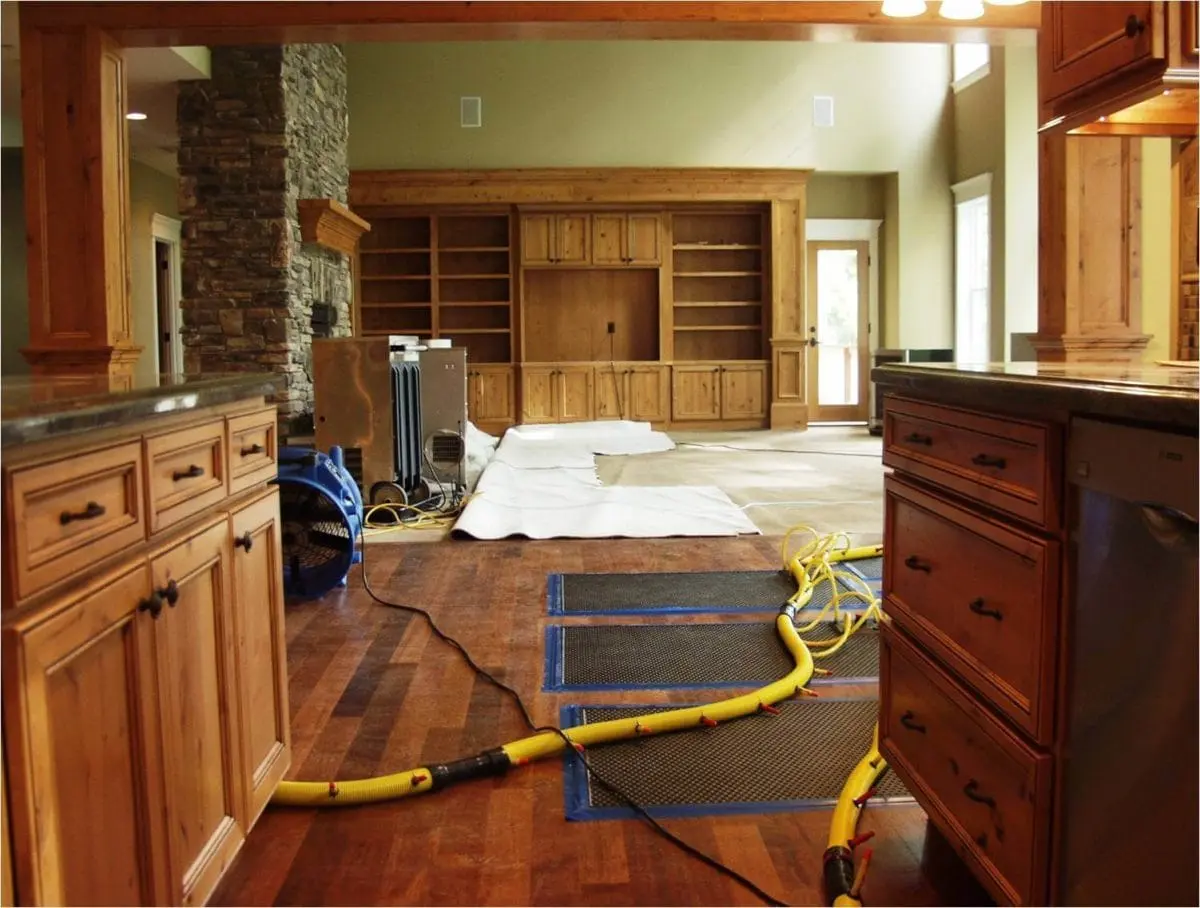
Water damage can be sneaky. It creeps into walls, spreads through insulation, and causes expensive problems long before you notice anything’s wrong. The tricky part? Sometimes the damage is completely hidden from view.
You might think the only way to check for hidden water damage is to tear into your walls with a sledgehammer. That’s not true. Property owners and managers have several ways to detect moisture problems without creating more damage or mess. Professional restoration teams use specific tools and techniques to find these issues early, saving thousands in repair costs.
Warning Signs of Hidden Water Damage
Your walls communicate with you, even when damage stays out of sight. Pay attention to these red flags that suggest moisture problems lurk behind your drywall.
Visual Clues Around Your Property
Discoloration often shows up first. Yellow, brown, or copper-colored stains on walls or ceilings indicate water has been there for a while. These stains might start small but grow over time as the problem gets worse.
Paint that bubbles, cracks, or peels away from surfaces signals moisture underneath. Wallpaper that curls at the edges or develops air pockets shows the same thing. Wood trim that warps or separates from walls also points to moisture issues.
Sensory Indicators You Can’t Ignore
Your nose knows when something’s wrong. Musty, earthy odors suggest mold growth inside walls. This smell gets stronger in humid weather or when you run heating systems.
Touch can reveal problems, too. Walls that feel unusually cold, damp, or soft to pressure might have moisture trapped inside. Floors that feel spongy or creak differently than before could indicate water damage in the structure below.
Changes in Your Environment
Higher-than-normal humidity levels inside your building often signal hidden leaks. If rooms feel muggy even when the air conditioning runs, moisture might be entering from damaged pipes or roof leaks.
Unexplained increases in water bills sometimes point to slow leaks inside walls. Even small pipe problems can waste hundreds of gallons over time.
Professional Detection Tools
Restoration professionals use specialized equipment to find moisture without causing property damage. These tools give accurate readings that help pinpoint problem areas.
Moisture Meters for Precise Readings
Pin-type moisture meters use small probes that penetrate surfaces to measure water content in materials. These work well on wood, drywall, and other porous surfaces. The readings tell technicians exactly how wet materials are and whether the levels indicate damage.
Pinless moisture meters scan surfaces without creating holes. They use electromagnetic technology to detect moisture up to several inches deep. These tools work great for quick scans of large areas.
Infrared Thermal Imaging
Thermal cameras show temperature differences across surfaces. Wet areas appear cooler than dry areas, creating visible patterns on the camera display. This technology helps locate leaks, wet insulation, and areas where water collects.
Professional water damage specialists use thermal imaging to map moisture patterns throughout buildings. The images help them understand how water moves and where problems start.
Hygrometers and Environmental Monitoring
These devices measure humidity levels in air and materials. Professional-grade hygrometers provide accurate readings that help determine whether conditions support mold growth or structural damage.
Some advanced systems monitor conditions over time, tracking changes that indicate developing problems. This data helps property managers make informed decisions about repairs.
Advanced Detection Methods
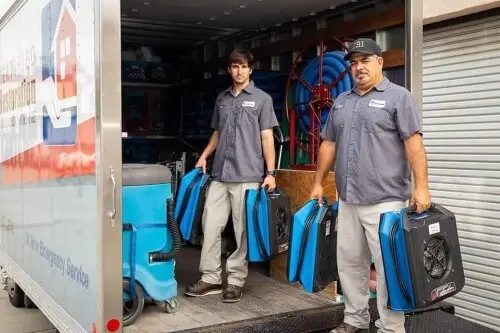
Professional teams rely on cutting-edge technology to find moisture problems that basic tools might miss. These methods provide detailed information about damage location and severity.
Borescopes for Visual Inspection
These flexible cameras fit through small holes to show what’s happening inside walls. Technicians can see pipe conditions, insulation damage, and mold growth without major demolition.
The cameras connect to monitors that display real-time images from inside wall cavities. This technology saves time and money by showing exactly what repairs are needed.
Electronic Leak Detection
Sensitive electronic equipment can detect sounds from water movement inside pipes and walls. These systems locate leaks by identifying the specific frequencies that water makes when escaping from damaged pipes.
Some detection equipment uses tracer gases to find air leaks that often accompany water problems. When building envelopes fail, both air and moisture can enter inappropriately.
When to Call Professional Help
Detecting hidden water damage requires experience and proper equipment. While property owners can spot warning signs, a professional assessment provides an accurate diagnosis and prevents costly mistakes.
Call restoration experts when you notice multiple warning signs in the same area. Professional companies like Certified Restoration bring specialized tools and experience to find problems quickly.
Don’t wait if you smell persistent musty odors or see spreading stains. These issues typically get worse over time and cost more to fix when left untreated.
Commercial properties face additional challenges because water damage can affect multiple units or business operations. Professional teams understand how to minimize disruption while addressing problems thoroughly.
Taking Action on Hidden Damage
Once you identify moisture problems, quick action prevents further damage. Document the issues with photos and notes about when you first noticed problems. This information helps restoration teams understand how the damage developed.
Contact professional restoration services promptly to assess the situation. Early intervention often means less expensive repairs and shorter disruption to your property use.
Schedule a Professional Inspection for Peace of Mind
Finding hidden water damage doesn’t require demolition or guesswork. Professional detection methods provide accurate information while preserving your property. Pay attention to warning signs like stains, odors, and environmental changes, but rely on experienced technicians for a thorough assessment.
When moisture problems affect your property, professional help makes the difference between minor repairs and major reconstruction. Contact qualified restoration specialists to protect your investment and maintain a safe, healthy environment.
Frequently Asked Questions
What are the first signs of hidden water damage in walls?
The earliest signs include small discoloration spots, paint that bubbles or peels, and musty smells in specific areas. You might also notice walls that feel cooler or damper than the surrounding areas. These symptoms often appear weeks or months before major damage becomes obvious.
How accurate are moisture meters for detecting water in walls?
Professional moisture meters are highly accurate when used correctly. Pin-type meters give precise readings for specific spots, while pinless models scan larger areas quickly. However, proper calibration and experience with different materials affect accuracy. Professional technicians understand how to interpret readings correctly.
Can I use a regular camera to detect water damage like thermal imaging?
Regular cameras won’t show moisture patterns the way thermal imaging does. Thermal cameras detect temperature differences that indicate wet areas, something visible light cameras miss completely. While you might see obvious damage with regular photography, thermal imaging reveals hidden problems before they become visible.
How much does professional water damage detection cost?
Detection costs vary based on property size and complexity, but they’re typically much less expensive than repairing damage that goes undetected. Most restoration companies provide free initial assessments, and thorough detection prevents thousands in unnecessary repairs. The investment in professional detection usually pays for itself many times over.
When should I call professionals instead of checking myself?
Call professionals when you notice persistent odors, multiple warning signs, or suspect problems in hard-to-reach areas. If you’re dealing with commercial property, insurance claims, or potential health concerns from mold, a professional assessment protects your interests. DIY detection works for obvious problems, but hidden damage requires specialized equipment and expertise.