Restoring properties affected by biohazards is a complex and delicate process. Biological biohazards, such as bloodborne pathogens, mold, and bodily fluids, present unique challenges during restoration. In comparison, chemical biohazards, which include chemical spills, hazardous fumes, and toxic substances, require a different approach. Proper handling of both types of biohazards is critical not only to protect human health but also to ensure the long-term safety of the environment.
In this article, we will compare the handling of chemical vs. biological biohazards during property restoration, outlining specialized techniques for each. We’ll dive into the types of biohazards you might encounter, the risks they pose, and the protocols and safety measures involved in the cleanup process.
Types of Biohazards Encountered in Property Restoration
Property restoration often involves various biohazards that can result from accidents, disasters, or neglect. These hazards can be broadly classified into biological biohazards and chemical biohazards.
Biological Biohazards
Biological biohazards are materials that are harmful to human health because they contain or produce dangerous pathogens. These can include:
- Bloodborne Pathogens: These pathogens are present in human blood and bodily fluids, posing significant risks of transmission through direct contact.
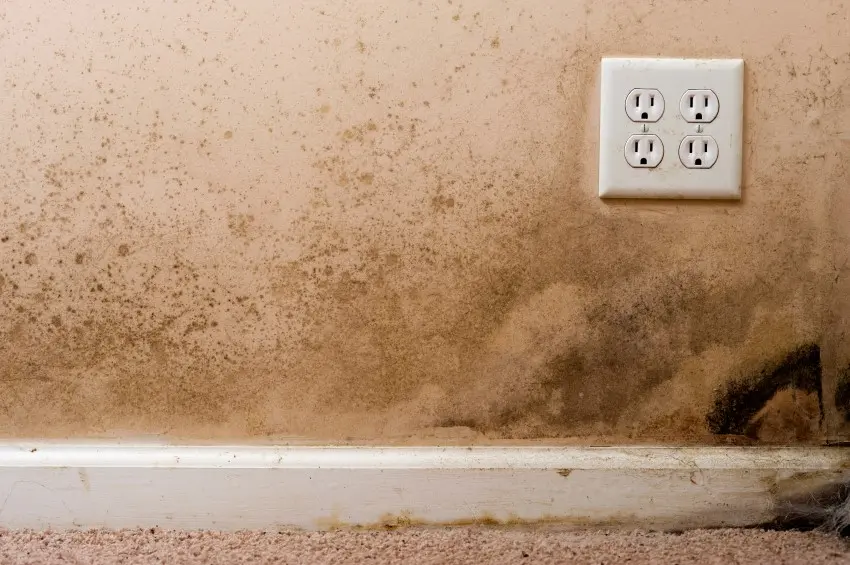
- Mold: Mold thrives in damp environments and can release spores into the air, leading to respiratory problems and other health issues.
- Bodily Fluids: These include fluids such as vomit, urine, or feces, which can carry harmful pathogens.
- Animal Waste: Animal droppings and urine, often found in neglected properties, may carry diseases such as hantavirus or leptospirosis.
Chemical Biohazards
Chemical biohazards include substances that are toxic or hazardous to human health and the environment. Some common chemical biohazards encountered during property restoration include:
- Chemical Spills: Hazardous chemicals such as cleaning agents, industrial solvents, or pesticides can spill and cause harm to both people and the environment.
- Toxic Fumes: Some chemicals release dangerous gases or fumes when exposed to air, posing risks of poisoning or long-term health complications.
- Asbestos: Often found in older buildings, asbestos can be harmful when disturbed during restoration work, causing respiratory issues and even cancer.
Protocols for Handling Chemical vs. Biological Biohazards
Each type of biohazard requires distinct handling procedures to ensure proper remediation and safety. Let’s explore the protocols for cleaning and removing chemical biohazards and biological biohazards.
Handling Chemical Biohazards
When dealing with chemical biohazards, it is crucial to prioritize safety, as chemical substances can be volatile, toxic, and highly reactive. The following protocols are typically followed:
- Identify and Contain the Hazard: The first step is to identify the chemical hazard and assess its risks. This involves reviewing Material Safety Data Sheets (MSDS) for the substances involved. The area must then be sealed off to prevent further exposure.
- Use of Appropriate PPE: Personal protective equipment (PPE) for chemical biohazard cleanup includes chemical-resistant gloves, respirators, protective suits, and goggles. These protect restoration professionals from direct exposure and inhalation of harmful chemicals.
- Chemical Spill Cleanup: For chemical spills, special techniques such as the use of absorbents and neutralizing agents may be necessary to safely remove the chemical without spreading it further. Once cleaned, the area must be properly ventilated to remove any lingering fumes.
- Proper Disposal: Chemical waste must be disposed of according to local regulations, often in hazardous waste containers.
Handling Biological Biohazards
Handling biological biohazards requires different protocols due to the components’ potential for contamination and disease transmission. Proper handling and sanitation are critical in ensuring that the risk to human health is minimized:
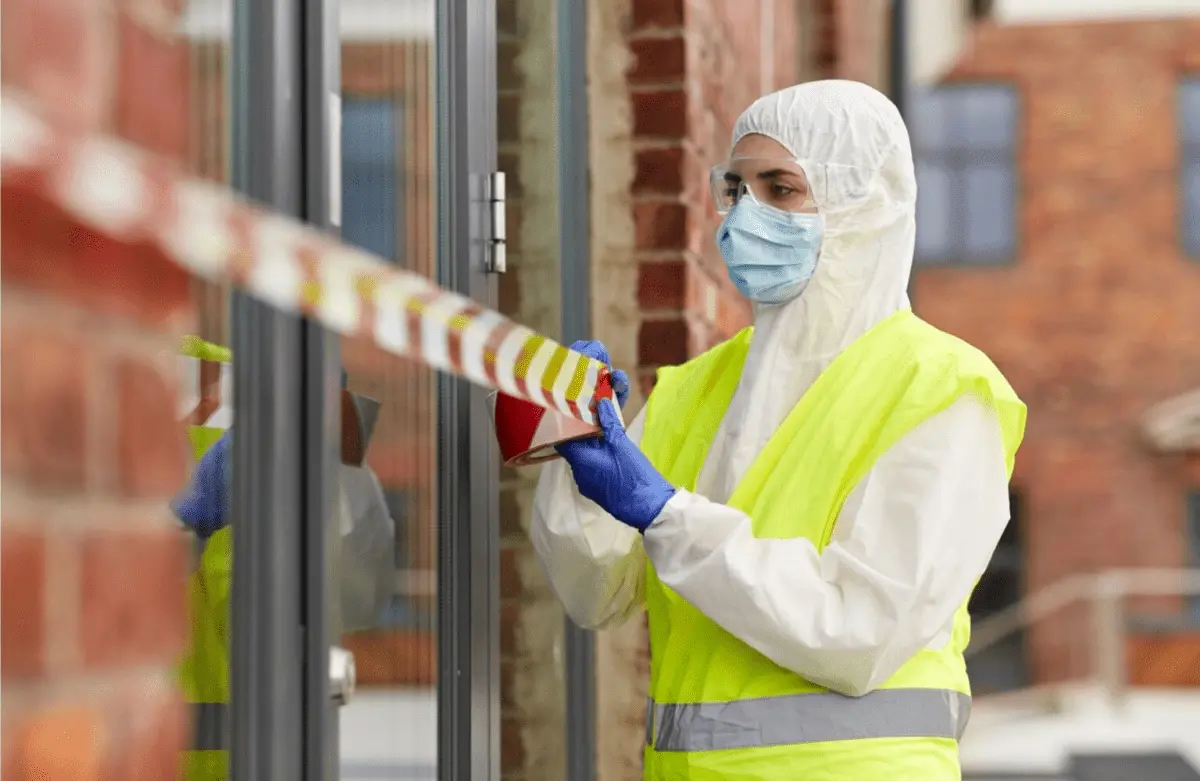
- Use of PPE: PPE for biological biohazard cleanup includes latex or nitrile gloves, masks, face shields, and protective suits. This gear prevents direct contact with harmful pathogens, bodily fluids, and spores.
- Containment: Biological biohazards are often contained through negative pressure systems that create a sealed environment, preventing contaminants from spreading to other areas.
- Cleaning and Disinfection: Surfaces affected by biological biohazards must be thoroughly cleaned using specialized disinfectants and sterilizers that kill bacteria, viruses, and fungi. For example, bloodborne pathogen disinfectants are used to neutralize harmful organisms in blood or bodily fluids.
- Decontamination and Waste Disposal: After cleaning, all equipment and PPE are carefully decontaminated or disposed of to prevent cross-contamination. Biological waste, such as contaminated cleaning materials or bodily fluids, must be disposed of according to medical waste disposal regulations.
Risks Posed by Chemical vs Biological Biohazards
The health and environmental risks posed by chemical and biological biohazards are substantial but differ significantly.
Chemical Biohazards
- Toxicity: Chemical biohazards can cause severe health issues, ranging from skin irritation to poisoning or respiratory issues. Ingesting or inhaling chemicals can lead to long-term damage or even death.
- Environmental Damage: Chemicals can contaminate water supplies, soil, and air, leading to environmental damage. Certain chemicals can persist for long periods, harming ecosystems and wildlife.
- Explosions or Fire: Some chemicals are highly flammable and can lead to fires or explosions if not properly managed.
Biological Biohazards
- Pathogen Transmission: Biological biohazards carry a risk of disease transmission. Bloodborne pathogens, mold spores, and bodily fluids can all spread infections such as hepatitis, HIV, and respiratory illnesses.
- Long-Term Health Effects: Exposure to mold and other biological agents can lead to chronic respiratory problems, allergies, or other health issues. Individuals with compromised immune systems, such as children or the elderly, are at higher risk.
- Infectious Disease Spread: Improper cleanup of biological biohazards can result in the spread of infectious diseases, especially in properties where vulnerable populations reside.
The Importance of PPE and Decontamination Procedures
Regardless of the type of biohazard, personal protective equipment (PPE) and decontamination procedures are critical to minimizing the risks to restoration professionals and residents. For both chemical and biological biohazards, proper PPE includes:
- Gloves (latex or nitrile) to protect against direct contact.
- Respirators for protection against inhaling fumes or pathogens.
- Protective suits to avoid skin exposure.
- Face shields or goggles to protect the eyes from splashes or airborne particles.
In addition, decontamination procedures must be followed after every step to prevent cross-contamination. This includes cleaning and disinfecting all equipment and tools, properly disposing of contaminated materials, and washing hands thoroughly after the cleanup process.
Contact Certified Restoration for Professional Biohazard Cleanup
Dealing with chemical or biological biohazards in your property can be overwhelming, and the safety of your family, employees, or tenants is paramount. Certified Restoration is here to provide professional, fast, and effective biohazard cleanup services. Our team is trained in the latest cleanup protocols and equipped with state-of-the-art tools to handle both chemical and biological risks safely. Whether it’s a bloodborne pathogen, mold, toxic chemical spill, or sewage contamination, we ensure thorough decontamination to protect your property and health.
Don’t take unnecessary risks; call Certified Restoration today to restore your property to a safe and habitable state. Trust the experts for reliable, professional restoration services tailored to your needs.
Frequently Asked Questions
1. How can I tell if my property has a biohazard?
Biohazards can manifest in many forms, including visible mold growth, foul odors, or the presence of bodily fluids or waste. If you suspect chemical spills, mold contamination, or bloodborne pathogens, it’s important to contact a certified professional immediately. Our team at Certified Restoration can assess the situation and determine the safest course of action for cleanup.
2. What’s the difference between chemical and biological biohazards in property restoration?
Chemical biohazards include hazardous substances like industrial chemicals, pesticides, or toxic fumes that can cause poisoning, fires, or environmental damage. Biological biohazards, on the other hand, consist of organic materials like bloodborne pathogens, bodily fluids, mold, or animal waste, which can cause infections or respiratory issues. Both require different handling procedures, PPE, and cleaning techniques.
3. Can biohazard cleanup be done by non-professionals?
It’s not advisable to clean biohazards yourself, especially without proper training and equipment. Biohazards like bloodborne pathogens or mold can be dangerous to your health and the environment if not cleaned properly. Our team at Certified Restoration uses the right PPE, disinfectants, and containment strategies to safely remove these hazards and restore your property.
4. What PPE is necessary for biological biohazard cleanup?
For biological biohazard cleanup, PPE should include gloves, face masks or respirators, protective suits, and goggles to prevent exposure to harmful pathogens.
5. How long does it take to clean up chemical biohazards?
The timeline for chemical biohazard cleanup depends on the extent of the contamination and the specific chemicals involved. Generally, it can take anywhere from a few hours to several days.
Disclaimer: This article is for general information ONLY and is not intended to be legal, medical, or scientific advice. The proper approach to each project must be determined on a case-by-case basis. Certified Restoration always recommends that you call a certified restoration professional, especially when there are children, the elderly, or individuals with health conditions residing in the property.