
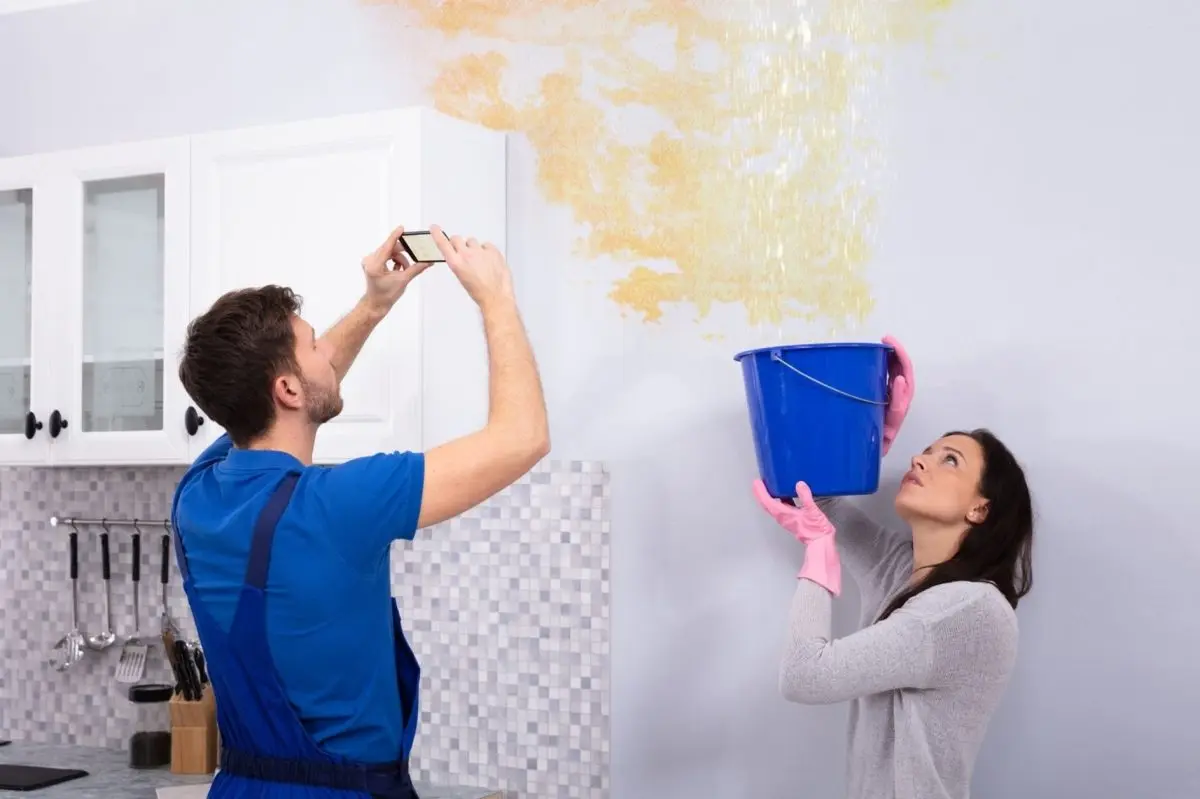
A burst pipe at 2 AM. A washing machine that floods the laundry room while you are at work. A toilet overflow that sends water seeping through the ceiling below. These moments catch San Diego homeowners off guard, and what happens in the first hour often determines how much damage follows.
Water damage restoration San Diego homeowner safety starts with knowing what to do in those critical first moments. This guide walks through what to do when water suddenly appears where it should not be, how to stay safe during cleanup, and how to protect your belongings and your insurance claim.
The First Hour: What to Do Immediately
Those first moments after discovering water damage feel chaotic. Your instinct might be to start grabbing towels or moving furniture. But taking a few minutes to assess the situation properly can prevent injuries and reduce long-term damage.
Stop the Water Source
Before anything else, find where the water is coming from and stop it if you can safely. For pipe bursts or appliance failures, locate your main water shut-off valve and turn it off. In San Diego homes, this valve is typically near the front of the house, in the garage, or where the water line enters the building.
If the water source is a roof leak during rain or flooding from outside, you may not be able to stop it immediately. Focus instead on protecting yourself and your belongings until the water subsides.
Electrical Safety First
Water and electricity create dangerous situations. Homeowner safety requires caution around any electrical components when water is present.
If water is near outlets, appliances, or electrical panels, do not enter the area until power is shut off. Turn off the breaker for affected rooms if you can reach the panel safely without stepping in water. If the electrical panel is in a flooded area or you are unsure about safety, stay out and call your utility company or a professional.
Never touch electrical devices, outlets, or switches while standing in water or on wet flooring.
Assess the Situation
Once immediate safety concerns are addressed, take a moment to understand what you are dealing with:
- How much water is present and where is it spreading?
- What is the likely source?
- Are there signs of contamination (sewage smell, discolored water)?
- What valuable items or documents are at risk?
This initial assessment helps you communicate clearly when you call for professional help and informs your next steps.
Identifying Safety Risks in Your Home
Water damage creates hazards that may not be immediately obvious. Understanding these risks helps protect you and your family throughout the cleanup and restoration process.
Structural Concerns
Water weakens building materials quickly. Saturated drywall can crumble. Waterlogged ceilings may collapse. Flooring can become unstable, and subfloors may begin warping within hours.
Watch for:
- Sagging or bulging ceilings
- Soft spots in flooring
- Doors and windows that suddenly stick
- Cracks appearing in walls
- Buckling or separating flooring materials
If you notice any of these signs, avoid the affected areas until professionals can assess structural integrity.
Mold and Health Hazards
Mold can begin growing on damp surfaces within 24 to 48 hours. San Diego’s coastal humidity can accelerate this timeline. Even before visible mold appears, spores may be present in the air.
Signs that suggest mold may be developing:
- Musty or earthy odors
- Discoloration on walls, ceilings, or floors
- Worsening allergies or respiratory irritation among household members
People with asthma, allergies, or compromised immune systems should limit their time in water-damaged areas. If you suspect sewage contamination, which contains harmful bacteria and pathogens, stay out of the affected space entirely until professionals arrive.
Water Categories and What They Mean
Water damage restoration San Diego professionals classify water damage into three categories that affect how cleanup should proceed:
Clean Water: From broken supply lines, faucets, or rainwater. Least dangerous, but still requires prompt attention to prevent category escalation.
Grey Water: Contains contaminants from sources like dishwashers, washing machines, or toilet overflows without feces. Poses health risks and can become black water within 48 hours if untreated.
Black Water: Highly contaminated water from sewage, rising floodwater, or water that has been stagnant for extended periods. Always requires professional cleanup due to serious health hazards.
Protecting Your Belongings Before Help Arrives
While waiting for restoration professionals, you can take steps to salvage personal items and strengthen your insurance claim.
Move What You Can Safely
If you can do so without entering deep water or compromising your safety:
- Lift curtains and drapes off the floor
- Place aluminum foil or plastic under furniture legs to prevent staining
- Move lightweight items like electronics, documents, and photographs to dry areas
- Prop up cushions and pillows to allow airflow
- Remove area rugs if they are not too waterlogged to handle
Focus on items with sentimental or financial value. Heavy furniture can wait for professional packout services if needed.
Document Everything
Your insurance claim depends on thorough documentation. Before moving anything or starting cleanup:
- Take photographs and video of all affected areas
- Capture wide shots showing the extent of damage
- Take close-up images of damaged items
- Document the water source if visible
- Note the date and time you discovered the damage
Keep damaged items until your insurance adjuster has seen them or given permission to dispose of them. Even items that appear ruined may be needed for claim documentation.
What Not to Do
Some well-meaning actions can make damage worse or create safety hazards:
- Do not use your household vacuum to remove water (it is not designed for this and can create electrical hazards)
- Do not turn on ceiling fans if the ceiling is wet
- Do not use electrical appliances in affected areas
- Do not attempt to remove mold yourself without proper equipment
- Do not ignore grey or black water contamination
Water Damage Restoration San Diego Homeowner Safety During Cleanup
Even after professional restoration begins, safety remains important. The cleanup process involves equipment, chemicals, and conditions that require awareness.
Working Safely Around Restoration Equipment
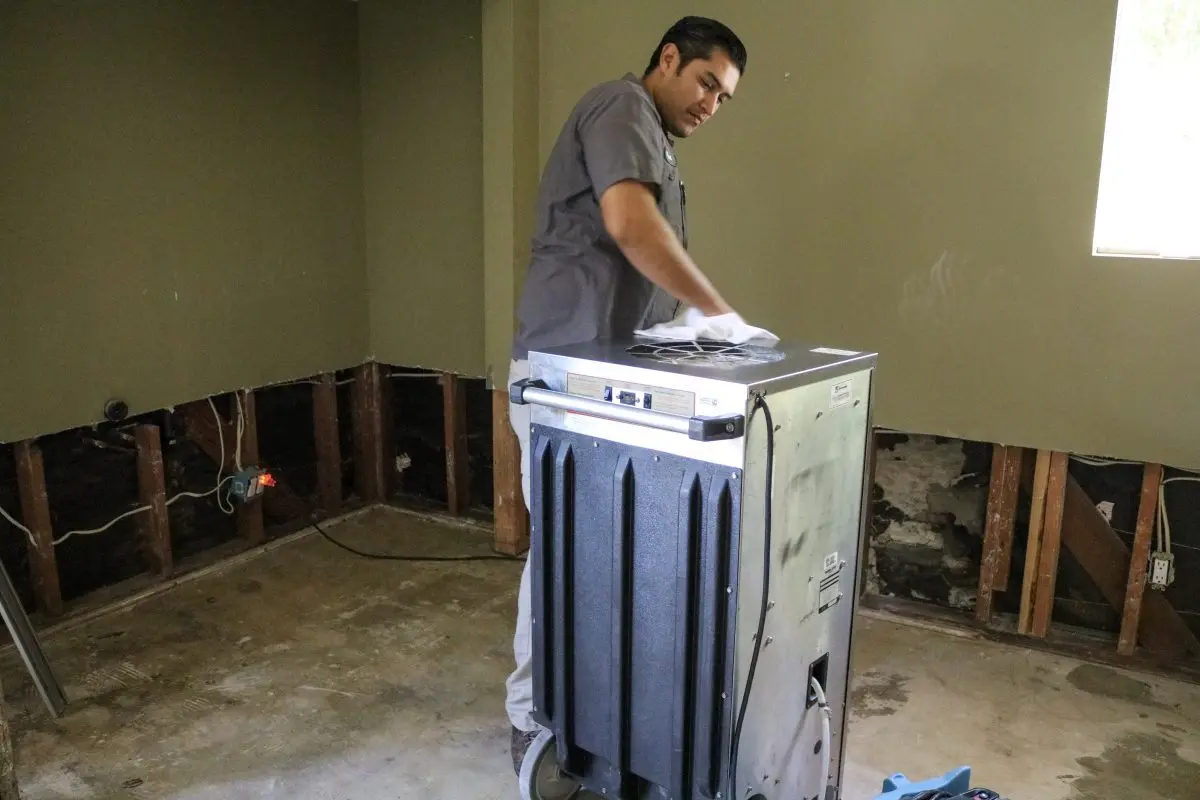
Professional restoration crews use commercial equipment including dehumidifiers, air movers, and moisture detection tools. These devices run continuously and require unobstructed airflow to work properly.
Keep children and pets away from equipment. Avoid unplugging or moving devices unless instructed by technicians. If equipment seems to be malfunctioning, contact the restoration company rather than attempting repairs.
Protective Measures for Household Members
During active restoration:
- Limit time in affected areas, particularly for those with respiratory sensitivities
- Wear closed-toe shoes when moving through work zones
- Keep windows open when possible to improve ventilation
- Follow any specific instructions provided by restoration technicians
If antimicrobial treatments are applied, technicians will advise on any necessary precautions.
Monitoring for Ongoing Issues
Even after initial cleanup, remain alert for signs that problems persist:
- Returning musty odors
- New water stains appearing
- Humidity levels that remain high
- Any visible mold growth
Report concerns to your restoration company promptly. Catching issues early prevents them from becoming larger problems.
How Certified Restoration Helps San Diego Homeowners
When water damage strikes, Certified Restoration provides San Diego County homeowners with professional water damage restoration San Diego homeowner safety guidance and expert restoration services. Our IICRC-certified technicians arrive equipped with advanced tools including infrared cameras, moisture meters, submersible pumps, and commercial dehumidifiers.
We handle every phase of restoration, from initial water extraction through complete drying, cleaning, and repairs. Our team tests for mold to ensure your home is safe, and we apply antimicrobial treatments when necessary to prevent future growth.
Insurance paperwork adds stress to an already difficult situation. We work directly with your insurance company, providing documentation and communication to support your claim and reduce your workload.
Contact Certified Restoration for emergency water damage response in San Diego County.
Frequently Asked Questions
What should I do first when I discover water damage in my home?
Your first priority is safety. If water is near electrical outlets or panels, turn off power at the breaker if you can reach it safely. Then stop the water source by shutting off the main valve if a pipe or appliance caused the leak. Once immediate hazards are addressed, document the damage with photos and video before moving anything. This documentation supports your insurance claim and helps restoration professionals understand what happened.
How quickly does mold grow after water damage?
Mold can begin developing on damp surfaces within 24 to 48 hours after water exposure. San Diego’s coastal humidity can accelerate growth in some situations. This timeline makes rapid response important. Professional restoration focuses on removing moisture quickly to prevent mold from establishing. If you notice musty odors or see discoloration developing, contact a restoration professional promptly for assessment.
Is it safe to stay in my home during water damage restoration?
In many cases, yes. Minor water damage from clean water sources often allows homeowners to remain in unaffected areas of the home while restoration proceeds. However, if damage involves sewage contamination, extensive flooding, structural concerns, or significant mold growth, temporary relocation may be necessary. Your restoration team will assess conditions and advise on whether staying is safe for your household.
What information does my insurance company need after water damage?
Document everything before cleanup begins. Take photographs and video showing the water source, all affected areas, and damaged items. Note when you discovered the damage and what caused it if known. Keep damaged items until your adjuster reviews them or authorizes disposal. Your restoration company can provide detailed reports and documentation to support your claim, which often simplifies the process.
How can I prevent future water damage in my San Diego home?
Regular maintenance reduces water damage risk. Inspect supply hoses on washing machines, dishwashers, and refrigerators annually. Check under sinks for signs of moisture or corrosion. Know where your main shut-off valve is located and test it periodically. Consider installing smart leak detection sensors in high-risk areas. Before extended trips, shut off the main water supply to eliminate risk while you are away.
Disclaimer: This article is for general information ONLY and is not intended to be legal, medical, or scientific advice. The proper approach to each project must be determined on a case-by-case basis. Certified Restoration always recommends that you call a certified restoration professional, especially when there are children, elderly, or individuals with health conditions residing in the property.