
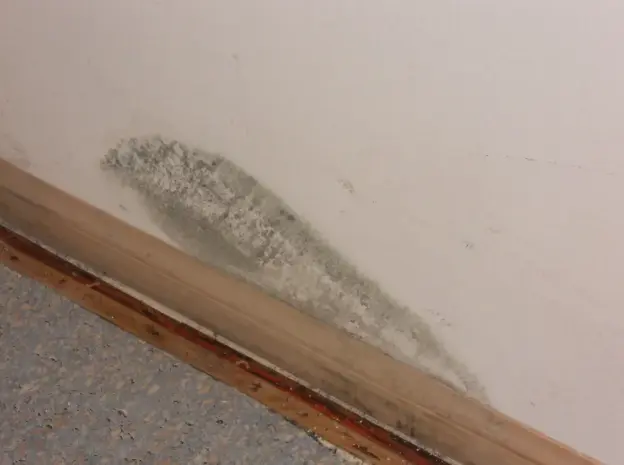
Suspecting mold in your home raises immediate questions. How bad is it? Where is it coming from? Is it affecting your health? A professional mold inspection answers these questions and provides the information you need to address the problem.
Understanding what a mold inspection San Diego professional does helps you know what to expect and why each step matters. The process identifies not just visible mold but also hidden growth and the moisture sources that allow mold to thrive.
Why Professional Mold Inspection Matters
Many homeowners attempt to assess mold problems themselves, but professional inspection offers significant advantages. Trained technicians know where mold hides, how to detect moisture that feeds growth, and how to evaluate the scope of contamination accurately.
A thorough inspection prevents two common mistakes. First, underestimating the problem and leaving mold behind during cleanup. Second, overreacting to minor issues that do not require extensive remediation. Professional assessment provides clarity either way.
The Visual Assessment Process
Every mold inspection San Diego service begins with a detailed visual examination of your property. This step identifies obvious mold growth and conditions that suggest hidden problems.
What Inspectors Look For
During visual assessment, technicians examine:
- Visible mold growth on walls, ceilings, and floors
- Water stains indicating past or present leaks
- Discoloration on building materials
- Warped or buckled flooring and trim
- Peeling paint or bubbling wallpaper
- Signs of water intrusion around windows and doors
Inspectors also note musty odors, which often indicate mold even when growth is not visible. Areas with previous water damage receive particular attention.
Common Areas Inspected
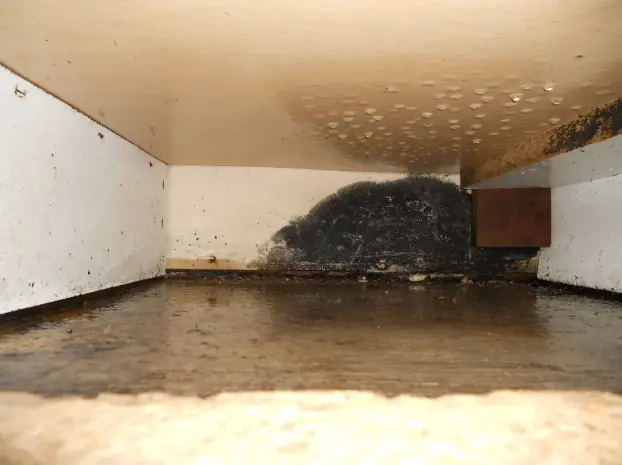
Certain locations harbor mold more frequently: bathrooms and kitchens where moisture accumulates, basements and crawl spaces with limited ventilation, attics where roof leaks may occur, areas around HVAC systems, behind appliances, and closets on exterior walls.
Moisture Detection and Mapping
Mold requires moisture to grow. Identifying moisture sources is essential for both remediation and preventing recurrence.
Equipment Used for Moisture Detection
Professional inspectors use specialized tools including moisture meters that measure water content in building materials, infrared cameras that reveal temperature differences indicating moisture, and hygrometers that measure relative humidity levels.
This equipment identifies moisture in concealed areas where visual inspection alone would miss problems.
Why Moisture Mapping Matters
Moisture mapping creates a picture of water intrusion patterns throughout your home. This information helps determine:
- The source of moisture feeding mold growth
- The full extent of water-affected areas
- Which materials may require removal or drying
- Whether active leaks or past events caused the issue
Without addressing moisture sources, mold will return even after remediation.
Air Quality Testing and Sampling
Air sampling provides objective data about mold contamination levels in your home. This testing is performed by an independent, accredited environmental testing company or industrial hygienist rather than by the restoration company, which helps keep the results unbiased.
How Air Sampling Works
When air testing is recommended, your inspector can help facilitate and coordinate the service with a licensed third-party environmental testing provider. That provider collects air samples from inside and outside your home and sends them to an independent laboratory for analysis. The lab compares indoor spore counts to outdoor baseline levels, revealing whether your home has abnormal mold concentrations.
Air samples are typically collected from areas with suspected mold growth, rooms where occupants experience symptoms, living spaces throughout the home, and outdoor locations for comparison.
What Test Results Show
Laboratory reports identify mold types present and their concentrations. Normal homes have some mold spores since they exist naturally in outdoor air. Higher indoor counts compared to outdoor levels indicate a mold problem requiring attention.
Results help determine the severity of contamination and guide remediation approaches. After cleanup, independent follow-up testing can confirm whether removal was successful.
Identifying the Moisture Source
A critical part of any mold inspection San Diego service involves determining why mold grew in the first place.
Common Moisture Sources
Inspectors investigate potential causes including plumbing leaks, roof leaks, poor ventilation, condensation on cold surfaces, foundation cracks, and HVAC system issues creating excess humidity.
The EPA recommends keeping indoor humidity below 60% to prevent mold growth. Inspectors assess whether your home maintains appropriate humidity levels.
Connecting Mold to Water Events
Sometimes mold results from a specific incident like a flood or pipe burst. Other times, chronic conditions like poor ventilation allow gradual moisture buildup. Identifying which scenario applies shapes the remediation approach.
The Inspection Report
After completing the assessment, you receive a detailed report documenting findings.
What Reports Include
A thorough inspection report typically contains:
- Locations where mold was found
- Moisture readings from tested areas
- Air sampling results if testing was performed
- Photographs documenting conditions
- Identified moisture sources
- Assessment of affected materials
- Recommendations for remediation
This documentation serves multiple purposes. It guides cleanup efforts, supports insurance claims, and provides a baseline for verifying successful remediation.
Understanding Your Results
Your inspector should explain findings clearly and answer questions. Understanding the scope of the problem helps you make informed decisions about next steps.
Next Steps When Mold Is Discovered
When inspection confirms mold presence, several steps follow.
Containment Prevents Spread
Before any removal work begins, affected areas must be contained to prevent mold spores from spreading throughout your home. This typically involves sealing openings and using negative air pressure to keep spores contained.
Removal of Contaminated Materials
Non-salvageable items require removal, including affected drywall, carpeting, insulation, and other porous materials that have absorbed mold. The extent of removal depends on inspection findings.
Cleaning and Treatment
Salvageable materials receive thorough cleaning. Wood framing may be cleaned with wire brushes to remove mold roots. Antimicrobial treatments help prevent regrowth on treated surfaces.
Verification Testing
After remediation, independent third-party testing can confirm whether spore levels have returned to normal. Your restoration company can help arrange this verification testing with an accredited environmental testing provider before repairs begin.
When to Schedule a Mold Inspection
Several situations warrant professional inspection: visible mold growth of any size, musty odors you are unable to locate, recent water damage, unexplained allergy symptoms that worsen at home, purchasing a home with unknown history, or following remediation to confirm success.
If you experience symptoms like coughing, sneezing, congestion, headaches, or irritated eyes that improve when you leave home, mold may be the cause.
Protecting Your San Diego Home
At Certified Restoration, our technicians conduct thorough inspections to identify areas with moisture and mold growth. We use professional equipment to detect problems in concealed areas and provide detailed assessments of your situation. When air quality testing is needed, we facilitate the process by coordinating with independent, accredited environmental testing companies.
When mold inspection San Diego reveals contamination, our certified team handles remediation from containment through cleanup, and we coordinate independent verification testing to confirm your results. We work directly with your insurance and keep you informed throughout the process.
Contact Certified Restoration to schedule a mold inspection.
Frequently Asked Questions
How long does a mold inspection take?
Inspection duration depends on property size and complexity. Larger properties or those with extensive suspected contamination require more time than smaller homes. Air sampling results typically return from the laboratory within a few days.
Do I need air testing or just visual inspection?
Visual inspection identifies obvious problems and guides sampling decisions. Air testing provides objective data about contamination levels and is recommended when health concerns exist, when mold is suspected but not visible, or when verifying successful remediation. Because objectivity matters, air testing is performed by an independent, accredited environmental testing company rather than by the restoration company itself.
Can I stay in my home during inspection?
Yes. Inspection does not disturb mold or create hazards. However, if significant contamination is discovered, your inspector may recommend limiting time in affected areas until remediation is complete.
What if inspection finds mold behind walls?
Moisture detection equipment can identify moisture problems behind walls without destructive investigation. If readings suggest hidden mold, limited exploratory openings may be recommended to confirm conditions before developing a remediation plan.
How often should I have my home inspected for mold?
Routine inspection is not typically necessary for homes without moisture problems. Schedule inspection when you notice warning signs like musty odors, visible growth, water damage, or health symptoms that suggest mold exposure.
Disclaimer: This article is for general information ONLY and is not intended to be legal, medical, or scientific advice. The proper approach to each project must be determined on a case-by-case basis. Certified Restoration always recommends that you call a certified restoration professional, especially when there are children, elderly, or individuals with health conditions residing in the property.