A clean workplace is more than just good optics. It affects employee health, productivity, absenteeism rates, and how customers perceive your business. For San Diego companies, maintaining a healthy work environment requires more than basic janitorial services.
Commercial sanitization San Diego businesses rely on goes beyond surface cleaning. It involves systematic disinfection of high-touch areas, proper response protocols for contamination events, and planning that keeps operations running when problems arise. Whether you manage an office building, retail space, healthcare facility, or industrial site, understanding workplace sanitization helps protect your staff and your bottom line.
Why Routine Cleaning Is Not Enough
Standard cleaning removes visible dirt and debris, but it does not eliminate the pathogens that cause illness. The distinction matters for businesses where employees share spaces, equipment, and common areas daily.
Understanding Cleaning vs. Disinfecting vs. Sanitizing
These terms often get used interchangeably, but they describe different processes:
Cleaning removes dirt, dust, and some germs from surfaces through wiping or washing. It lowers germ counts but does not kill pathogens.
Sanitizing reduces bacteria on surfaces to levels considered safe by public health standards. It works well for food-contact surfaces but may not address all harmful microorganisms.
Disinfecting uses EPA-registered chemicals to kill bacteria, viruses, and fungi on hard surfaces. This process provides the highest level of pathogen reduction for non-porous surfaces.
Effective workplace health programs incorporate all three approaches, applied appropriately to different areas and surfaces.
High-Touch Surfaces That Require Regular Attention
Some workplace surfaces accumulate pathogens faster than others. These high-touch areas need disinfection more frequently than general office spaces.
Priority Areas for Regular Disinfection
Focus sanitization efforts on surfaces employees contact repeatedly throughout the day:
- Door handles, push plates, and entry keypads
- Light switches and thermostat controls
- Elevator buttons and handrails
- Shared equipment like copiers, printers, and phones
- Break room appliances, counters, and tables
- Restroom fixtures and dispensers
- Conference room tables, chairs, and presentation equipment
- Reception desks and customer service counters
The Centers for Disease Control and Prevention recommends cleaning and disinfecting high-touch surfaces at least daily in most workplaces, with more frequent attention in high-traffic or healthcare settings.
Responding to Contamination Events
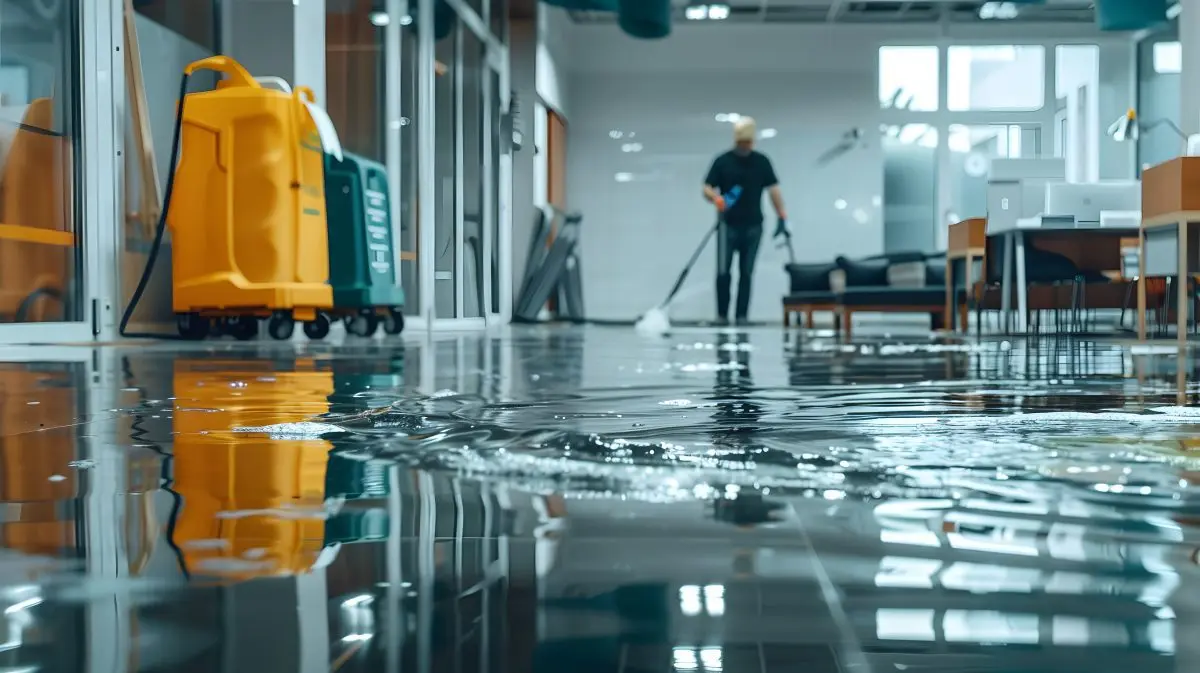
Sometimes routine cleaning is not sufficient. Contamination events require immediate, specialized response to protect employees and restore safe conditions.
When Standard Protocols Fall Short
Certain situations demand professional intervention beyond regular janitorial services:
- Sewage backups or flooding that introduces contaminated water
- Blood or bodily fluid incidents in the workplace
- Confirmed infectious disease exposure among employees
- Chemical spills requiring specialized cleanup
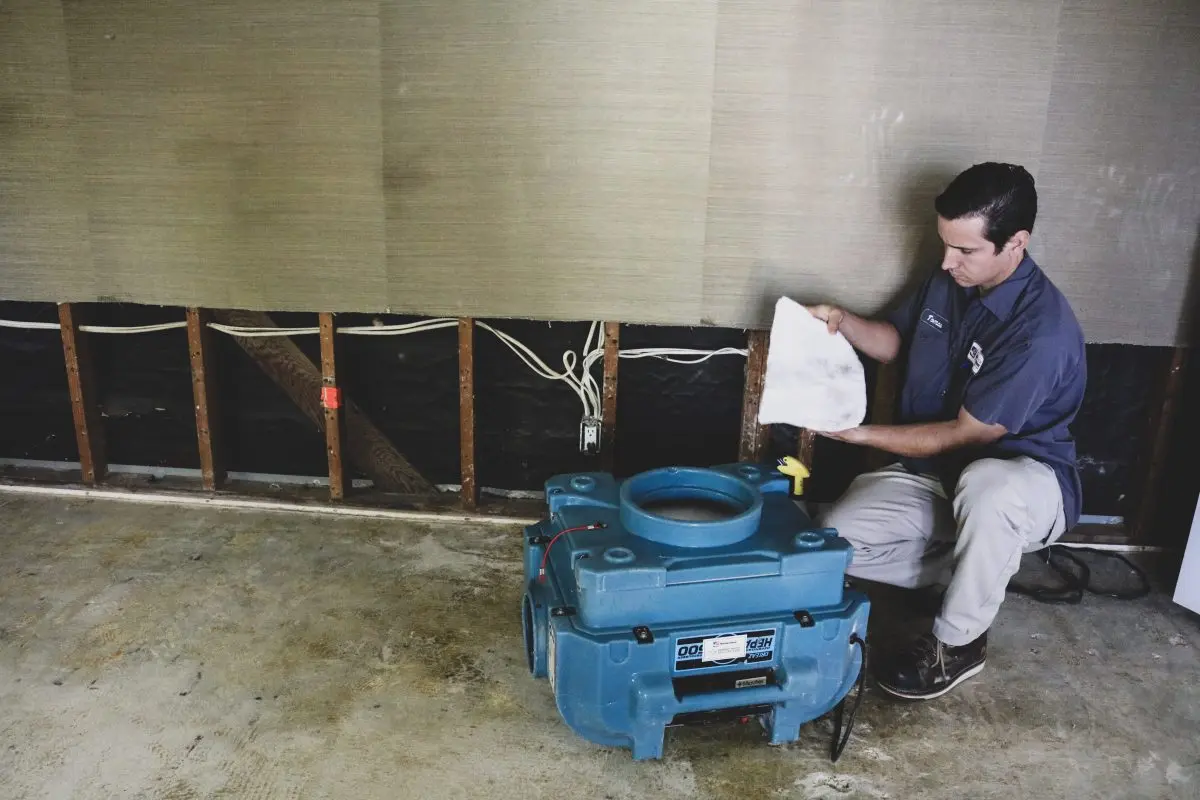
- Discovery of mold growth in HVAC systems or building materials
- Industrial accidents involving hazardous materials
These situations often involve biohazard cleanup protocols that go beyond what in-house cleaning staff can safely handle. Professional remediation ensures proper containment, removal, and disposal according to OSHA’s Bloodborne Pathogens Standard and other applicable regulations.
Building a Year-Round Sanitization Program
Effective workplace sanitization is not a one-time event. It requires consistent protocols that adapt to your facility’s needs throughout the year.
Components of an Effective Program
A strong commercial sanitization program includes:
Daily Maintenance: Regular cleaning and disinfection of high-touch surfaces, restrooms, and common areas. This baseline keeps contamination levels manageable.
Deep Cleaning Schedule: Periodic intensive cleaning of carpets, upholstery, HVAC systems, and hard-to-reach areas. Many businesses schedule deep cleaning quarterly or after specific events.
Event-Based Response: Protocols for addressing contamination when it occurs, including who to contact, how to secure affected areas, and when to bring in professional services.
Documentation: Records of cleaning activities, products used, and any incidents. This documentation supports compliance and helps identify patterns requiring attention.
Choosing the Right Products and Methods
Not all disinfectants work against all pathogens. The EPA maintains lists of registered products effective against specific threats. Using the wrong product, or using the right product incorrectly, can leave surfaces inadequately treated.
Application method also matters. Traditional spray-and-wipe works for many surfaces, but complex spaces may benefit from technologies like:
- ULV (ultra-low volume) foggers for treating large areas efficiently
- Hydroxyl generators that purify air and surfaces simultaneously
Professional sanitization services match products and methods to your specific facility and needs.
Business Continuity Planning for Contamination Events
Planning how your business will respond to contamination events reduces downtime and protects employees when problems occur.
Elements of a Contamination Response Plan
Effective business continuity planning for contamination events should address:
Communication Protocols: Who notifies employees, customers, and relevant authorities? What information gets shared, and through which channels?
Area Isolation Procedures: How do you secure contaminated spaces to prevent exposure while waiting for remediation?
Vendor Relationships: Which professional remediation company will you call? Having this relationship established before an emergency speeds response time.
Return-to-Work Criteria: What conditions must be met before employees re-enter affected areas? Who makes that determination?
Documentation Requirements: What records do you need for insurance claims, regulatory compliance, or legal protection?
Businesses that develop these plans before problems occur respond faster and recover more efficiently than those making decisions in crisis mode.
Professional Sanitization Services for San Diego Businesses
Some sanitization needs exceed what in-house staff can handle safely or effectively. Professional services become necessary when contamination involves health hazards, specialized equipment requirements, or regulatory compliance considerations.
When to Call Professionals
Consider professional commercial sanitization San Diego services when:
- Contamination involves blood, bodily fluids, or biohazardous materials
- Mold growth extends beyond small, visible patches
- Sewage or contaminated water has affected building materials
- Employees report illness patterns suggesting environmental causes
- You need documentation for insurance or regulatory purposes
- Your facility requires specialized equipment or products not available commercially
Professional remediation companies bring training, equipment, and experience that ensure proper handling of hazardous situations.
What Professional Services Include
Commercial sanitization and remediation services typically involve:
Assessment: Identifying the scope of contamination and developing an appropriate response plan.
Containment: Isolating affected areas to prevent cross-contamination during cleanup.
Remediation: Removing contaminated materials, disinfecting surfaces, and treating air quality as needed.
Verification: Testing or inspection to confirm successful remediation before clearing the space for occupancy.
Documentation: Providing records of work performed for your files, insurance claims, or regulatory requirements.
Protecting Your San Diego Business
At Certified Restoration, we help San Diego businesses maintain healthy workplaces through professional sanitization and remediation services. Our team provides high-touchpoint cleaning and disinfection using EPA-registered products, hydroxyl air and surface purification, and ULV fogger application for large-area treatment.
When contamination events require emergency response, our certified technicians handle biohazard cleanup, sewage remediation, and mold removal with the expertise these situations demand. We work directly with your insurance and provide documentation to support your claims.
Contact Certified Restoration for commercial sanitization San Diego businesses trust for year-round workplace health.
Frequently Asked Questions
How often should commercial spaces be professionally sanitized?
Frequency depends on your industry, foot traffic, and risk factors. Most offices benefit from daily high-touch surface disinfection and quarterly deep cleaning. Healthcare facilities, food service operations, and high-traffic retail may need more frequent attention. After contamination events, immediate professional remediation is recommended regardless of your regular schedule.
What surfaces in an office need the most frequent disinfection?
Door handles, light switches, shared equipment, restroom fixtures, and break room surfaces require the most frequent attention. These high-touch areas accumulate pathogens from multiple users throughout the day. Conference rooms and reception areas also need regular disinfection since they see traffic from both employees and visitors.
When does a workplace need professional biohazard cleanup vs. regular cleaning?
Professional biohazard cleanup is needed when contamination involves blood, bodily fluids, sewage, mold growth beyond small patches, or hazardous chemicals. These situations require specialized training, protective equipment, and disposal procedures that standard cleaning staff typically lack. If you are unsure whether a situation requires professional intervention, consulting a remediation company is safer than assuming regular cleaning will suffice.
Can my business stay open during professional sanitization?
Often yes, depending on the scope of work. Routine deep cleaning and disinfection can frequently be scheduled during off-hours or performed in sections to minimize disruption. Biohazard remediation or contamination response may require closing affected areas until work is complete, though phased approaches sometimes allow partial operations to continue.
What documentation should I expect from professional sanitization services?
Professional services should provide records of work performed, products used, and areas treated. For biohazard or contamination remediation, documentation should include assessment findings, remediation procedures followed, and verification that the space meets clearance criteria. This documentation supports insurance claims, regulatory compliance, and your internal records.