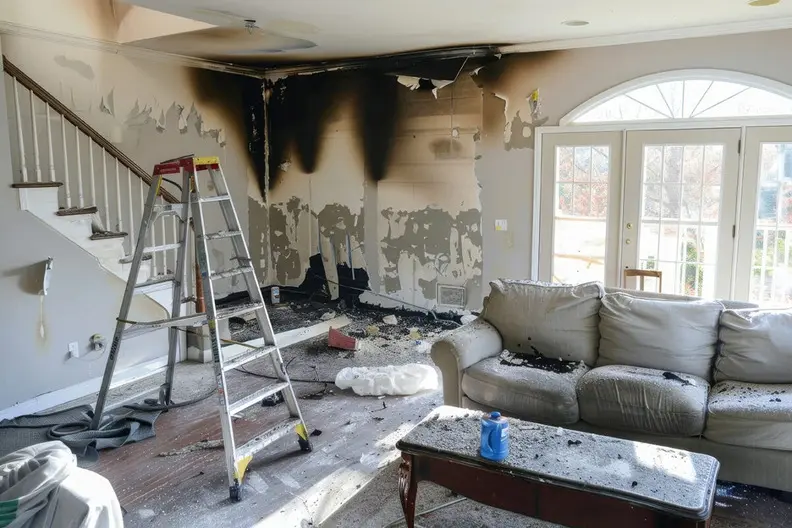
A house fire leaves behind more than visible destruction. Even after flames are extinguished, smoke residue, soot deposits, and lingering odors keep damaging your property. Knowing what steps to take after a fire helps protect your home and supports a smoother insurance claims process.
This fire damage restoration San Diego checklist guides property owners through the critical actions needed after a fire. Following these steps helps minimize additional damage while preparing your property for professional restoration.
Step 1: Confirm Safety Before Entering
Your safety comes first after any fire event. Never enter a fire-damaged property until authorities confirm it is safe.
Wait for Official Clearance
A fire marshal must confirm the property is secure before you enter. Even if the fire appeared small, hidden hazards may remain. The structure may be compromised, and electrical systems could pose shock or fire risks.
Recognize Hidden Dangers
Fire-damaged properties contain hazards that are not always obvious:
- Weakened floors, stairs, and roof structures
- Damaged electrical wiring that could spark new fires
- Toxic residues from burned materials
- Water damage from firefighting efforts
- Sharp debris and unstable objects
Wear protective clothing, sturdy shoes, and a mask if you must enter after receiving clearance.
Step 2: Document All Damage
Thorough documentation supports your insurance claim and helps restoration professionals understand the full scope of damage.
Photography and Video
Capture evidence before any cleanup begins:
- Take photos of every room, including ceilings and floors
- Photograph damaged items individually
- Document smoke staining on walls and surfaces
- Record a video walking through the entire property
- Capture damage to the exterior and landscaping
Written Inventory
Create a detailed list of damaged and destroyed items. Include descriptions, approximate values, and purchase dates when known. This inventory becomes essential during insurance negotiations.
Save Damaged Items
Keep damaged items until your insurance adjuster inspects them. Your adjuster needs to verify damage before approving replacement or repair costs.
Step 3: Contact Your Insurance Company
Notify your insurance company promptly after a fire.
Filing Your Claim
When contacting your insurer:
- Report the fire and request a claim number
- Ask about coverage limits and deductibles
- Request information about temporary housing if needed
- Get contact information for your assigned adjuster
- Ask about advance payments for immediate needs
Keep Records
Document all communication with your insurance company. Save emails, note phone call details, and keep copies of submitted paperwork.
Step 4: Secure the Property
Protecting your property from additional damage and unauthorized entry is essential after a fire.
Board Up and Tarp
Exposed openings invite weather damage, animals, and trespassers. Boarding up windows and doors and tarping damaged roof sections prevents secondary damage that insurance may not cover.
Turn Off Utilities
If not already done by emergency responders, have utilities disconnected. Gas leaks and electrical hazards in damaged structures create serious risks.
Professional fire damage restoration San Diego companies often provide emergency board-up and tarping services as part of their initial response.
Step 5: Address Smoke and Soot Damage
Smoke and soot continue damaging your property long after the fire ends. Quick action limits permanent staining and corrosion.
Understanding Smoke Damage
Smoke penetrates surfaces throughout your home, not just in areas touched by flames. It travels through HVAC systems, settles in fabrics, and coats surfaces in every room. The acidic nature of smoke residue causes ongoing damage if not addressed promptly.
Soot Removal Priorities
Soot contains corrosive compounds that etch into surfaces over time:
- Metal fixtures and appliances corrode quickly
- Painted walls and ceilings stain permanently
- Upholstery and carpets absorb odors deeply
- Electronics suffer internal damage from residue
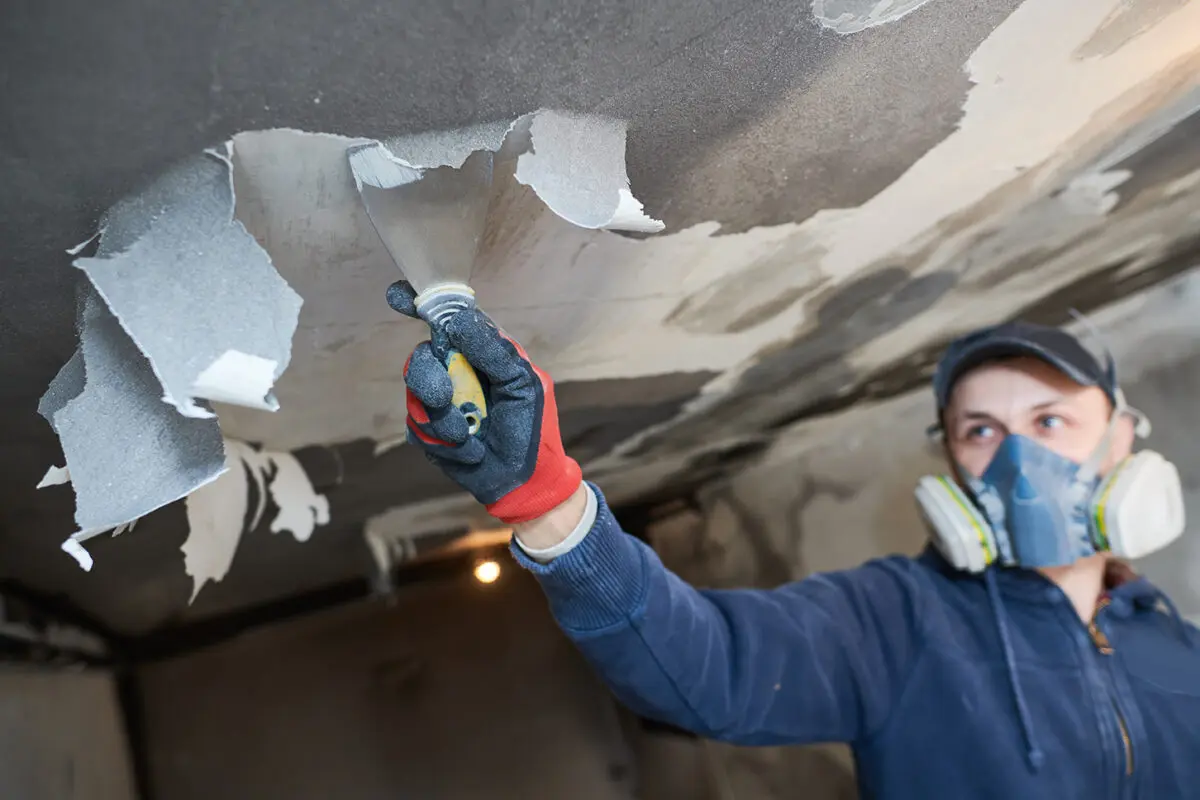
Professional cleaning removes soot from carpets, walls, furniture, and other affected items before permanent damage occurs.
Step 6: Eliminate Smoke Odors
Smoke odors persist long after visible damage is cleaned. Effective deodorization requires more than masking scents.
Why Odors Linger
Smoke particles embed in porous materials throughout your home. Drywall, insulation, carpets, and fabrics all absorb smoke that continues to release odors. Surface cleaning alone does not eliminate these deeply absorbed particles.
Professional Deodorization
Restoration professionals use industrial equipment and proven methods to neutralize smoke odors at their source. This includes treating materials that have absorbed smoke, cleaning HVAC systems, and using air scrubbers.
Step 7: Assess Structural Damage
Fire and the water used to extinguish it can compromise your home’s structure.
Areas Requiring Inspection
A thorough structural assessment examines:
- Roof framing and support beams
- Load-bearing walls and columns
- Floor joists and subfloor materials
- Foundation connections
- Electrical and plumbing systems
Professional Evaluation
Structural damage assessment requires trained professionals. What appears minor on the surface may indicate serious underlying problems. Fire damage restoration San Diego specialists work with structural engineers when significant damage is suspected.
Step 8: Handle Water Damage
Firefighting efforts often leave significant water damage that requires separate attention.
Secondary Damage Risks
Standing water and saturated materials create conditions for mold growth. Water from fire hoses also spreads soot and debris throughout your home, contaminating areas the fire did not directly affect.
Drying and Remediation
Water damage restoration should begin quickly. Removing standing water, drying structural materials, and addressing potential mold growth prevent additional problems beyond the original fire damage.
Step 9: Salvage and Restoration Assessment
Not everything damaged by fire needs replacement. Professional restoration can save many items.
Items Often Restorable
Restoration professionals assess which items can be restored rather than replaced:
- Furniture with surface smoke damage
- Clothing and textiles
- Documents and photographs
- Electronics and appliances
- Artwork and collectibles
Restoring items rather than replacing them reduces costs and preserves irreplaceable belongings.
Pack-Out Services
For extensive damage, restoration companies provide pack-out services. They carefully inventory, pack, and transport salvageable items to off-site facilities for cleaning and restoration while structural repairs proceed.
Step 10: Professional Fire Damage Restoration San Diego Services
Complete fire restoration requires trained technicians, specialized equipment, and experience with insurance processes.
What Professionals Provide
A full-service restoration company handles:
- Emergency board-up and tarping
- Soot and smoke damage cleaning
- Odor elimination and deodorization
- Water damage restoration
- Structural repairs and reconstruction
- Insurance documentation assistance
At Certified Restoration, we provide complete fire damage restoration that San Diego property owners trust. Our team performs thorough inspections to identify all fire damage, removes soot from affected surfaces, deodorizes your property, and handles necessary repairs.
We also offer water damage restoration for fire-induced water damage and mold remediation when moisture issues arise. We work directly with your insurance to simplify claims.
Contact Certified Restoration for professional fire damage restoration services.
Frequently Asked Questions
Is it safe to enter my home after a fire?
Never enter a fire-damaged property until a fire marshal confirms it is secure. Hidden hazards, including structural weakness and electrical dangers, make unsecured properties dangerous.
How quickly should fire damage be addressed?
Fire damage restoration should begin as soon as safely possible. Smoke and soot continue causing damage over time, and water from firefighting creates mold risks.
Can smoke-damaged items be saved?
Many smoke-damaged items can be professionally restored rather than replaced. Furniture, clothing, documents, and electronics often respond well to specialized cleaning techniques.
Does homeowners insurance cover fire damage?
Most homeowners’ policies cover fire damage, including structural repairs, personal property replacement, and additional living expenses. Review your policy and contact your insurer promptly.
Why hire a professional restoration company?
Professional companies have specialized equipment and experience with insurance processes. They handle soot removal, deodorization, water damage, and repairs while documenting everything for your claim.
Disclaimer: This article is for general information ONLY and is not intended to be legal, medical, or scientific advice. The proper approach to each project must be determined on a case-by-case basis. Certified Restoration always recommends that you call a certified restoration professional, especially when there are children, the elderly, or individuals with health conditions residing in the property.