
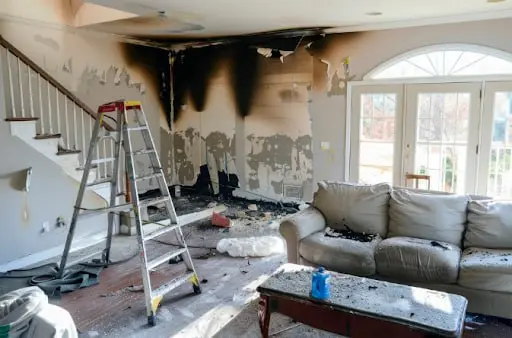
The hours and days after a house fire feel overwhelming. Between finding temporary housing, contacting family, and processing what happened, the last thing on your mind is paperwork. But the documentation you create now directly affects how much your insurance company pays for repairs and replacement.
Fire damage insurance documentation San Diego property owners submit can mean the difference between a claim that covers your actual losses and one that leaves you paying thousands out of pocket. This guide walks through what to document, how to organize your records, and how working with restoration professionals strengthens your claim.
Before You Enter: Safety and Authorization
Documentation starts before you set foot inside your damaged property. Rushing in too soon creates safety risks and can complicate your insurance claim.
Wait for Official Clearance
A fire marshal must confirm the property is secure before anyone enters. Structural damage, electrical hazards, and lingering hot spots can make a fire-damaged building dangerous even after flames are extinguished. Entering before clearance can void certain insurance protections.
Once you receive authorization, document that clearance with the date and name of the official who provided it. This becomes part of your claim file.
Contact Your Insurance Company First
Before beginning any cleanup, notify your insurance company about the fire. Ask about:
- What documentation they require
- Whether they need to send an adjuster before cleanup begins
- Any specific forms or processes they use
- Deadlines for filing claims or submitting documentation
Get the name of your claims representative and their direct contact information. Document every conversation with dates, times, and summaries of what was discussed.
What to Photograph and Video Immediately
Visual documentation forms the foundation of your fire damage insurance documentation San Diego claim. The more thorough your images, the stronger your position when negotiating with adjusters.
Exterior Documentation
Start outside the structure and work your way in:
- Photograph all sides of the building showing overall damage
- Capture roof damage, broken windows, and structural issues
- Document damage to landscaping, fences, and outbuildings
- Photograph vehicles or equipment affected by the fire
- Include street signs or house numbers to establish location
Take both wide shots showing context and close-ups showing specific damage.
Interior Room-by-Room Documentation
Move systematically through each room:
- Photograph every wall, floor, and ceiling
- Document smoke damage, soot deposits, and char marks
- Capture damage to built-in features like cabinets and fixtures
- Photograph contents in place before moving anything
- Open closets and storage areas to document hidden damage
Video provides additional context that photos miss. Walk slowly through each space, narrating what you see and pointing out specific damage. The audio record of your observations becomes valuable reference material.
Capture Damage You Might Overlook
Fire damage extends beyond obvious burn marks:
- Water damage from firefighting efforts
- Smoke residue on ceilings and walls far from the fire origin
- Heat damage to electronics, appliances, and plastic items
- Soot in HVAC systems and ductwork
- Damage inside cabinets, drawers, and storage containers
Photograph everything, even items that appear undamaged. Smoke and heat exposure can cause problems that only become apparent later.
Creating a Written Inventory of Damaged Contents
Photographs show what was damaged. Your written inventory proves what those items were worth and supports your claim for replacement or repair.
Documenting fire damage is more complicated than it looks, especially when it comes to personal belongings. Fire, smoke, and soot don’t damage everything the same way. A photo album can look untouched but be ruined by smoke odor and soot residue trapped in the pages. Electronics may power on the day after a fire and fail weeks later once corrosive smoke particles finish working through internal components. Fabrics, upholstery, and clothing often need close inspection under good lighting to reveal fine soot penetration that isn’t visible in a quick snapshot. Because the same item can have several damage types working on it at once (heat, water, smoke, and soot), a single photo rarely tells the whole story, and adjusters may undervalue a claim built on incomplete visual evidence.
Room-by-Room Item Lists
For each room, create a detailed list including:
- Item description (brand, model, size, color)
- Approximate purchase date
- Original purchase price if known
- Estimated current replacement cost
- Condition before the fire (new, good, fair)
- Type of damage sustained (burned, smoke damaged, water damaged)
Be specific. “Television” is less useful than “Samsung 65-inch QLED smart TV, model QN65Q80A, purchased March 2024.”
Supporting Documentation
Gather any records that support your inventory:
- Receipts, credit card statements, or bank records showing purchases
- Product registration cards or warranty documents
- Previous home inventory lists or photos
- Appraisals for jewelry, art, or collectibles
- Serial numbers from electronics (check boxes in storage)
If you lack receipts, check email for order confirmations or search your accounts on retail websites for purchase history.
Structural and Built-In Features
Your inventory should also include:
- Flooring materials and approximate square footage
- Cabinet styles and quantities
- Countertop materials
- Light fixtures and ceiling fans
- Built-in shelving or storage systems
- Window treatments and hardware
These built-in features often represent significant value that homeowners forget to claim.
Why Working with a Certified Restoration Company Strengthens Your Claim
Professional restoration companies do more than clean up damage. Their documentation and expertise directly support your fire damage insurance documentation San Diego insurance claim.
Professional Damage Assessment
Certified technicians identify damage that homeowners often miss. Their thorough inspection covers:
- Structural damage requiring repair or replacement
- Hidden smoke and soot penetration
- Water damage from suppression efforts
- HVAC contamination requiring cleaning or replacement
- Items that can be restored versus those requiring replacement
This professional assessment provides detailed documentation that insurance adjusters recognize and respect.
Detailed Scope of Work
Restoration companies create written scopes of work that itemize every repair and service needed. This document:
- Lists specific tasks with associated costs
- Uses industry-standard pricing that adjusters understand
- Identifies materials and labor required
- Provides a professional third-party assessment of damage extent
Having this documentation prevents disputes about what repairs are actually necessary.
Packout and Inventory Services
Professional packout services create detailed inventories of contents removed from your property. Each item is:
- Photographed and cataloged
- Assessed for damage type and severity
- Evaluated for restoration potential
- Stored securely during repairs
This professional inventory supplements your own documentation and provides additional support for your claim.
Photo Documentation Software Speeds Up the Claims Process
Many professional fire damage restoration companies now use dedicated photo documentation software rather than relying on a phone camera roll and a shared folder. These platforms typically timestamp and geotag each photo, organize images by room and item, tag damage types, and package everything into a standardized report formatted for direct submission to insurance carriers. For a homeowner facing hundreds of damaged items across multiple rooms, this kind of system replaces hours of manual sorting and captioning with an organized digital record the adjuster can review quickly. It also creates a clear chain of custody for the documentation, which can matter if a claim is disputed or reviewed months later.
Common Mistakes That Lead to Underpaid or Denied Claims
Even well-intentioned homeowners make documentation errors that cost them money. Avoiding these common mistakes protects your claim.
Throwing Away Damaged Items Too Soon
Do not dispose of damaged items before your insurance adjuster has seen them or given permission. Even items that seem obviously destroyed may need to be inspected. Keep damaged items in a secure location until your adjuster confirms they can be discarded.
Accepting the First Offer Without Review
Insurance adjusters work for the insurance company, not for you. Their initial offer may not reflect the full value of your losses. Review any settlement offer carefully against your documentation before accepting. You have the right to negotiate or dispute amounts you believe are insufficient.
Incomplete or Inconsistent Documentation
Gaps in your documentation give insurance companies reasons to reduce payments. Common problems include:
- Missing rooms or areas in photo documentation
- Inventory lists without values or descriptions
- Conflicting information between documents
- Lack of dates or timestamps on records
Thorough, consistent documentation leaves less room for dispute.
Delaying Your Claim Filing
Most insurance policies have deadlines for reporting losses and filing claims. Delays can result in reduced payments or claim denial. Contact your insurance company immediately after the fire and follow their timeline requirements.
Making Permanent Repairs Before Approval
Temporary repairs to prevent further damage are generally acceptable, but permanent repairs made before insurance approval may not be covered. Document any emergency repairs with photos and receipts, and get approval before beginning restoration work.
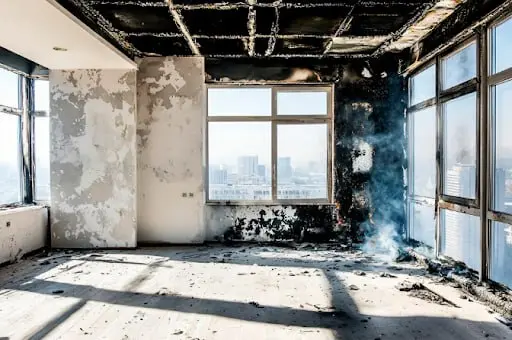
How Certified Restoration Supports Your Fire Damage Claim
Certified Restoration helps San Diego property owners handle fire damage insurance documentation San Diego requirements while restoring their properties. Our IICRC-certified technicians provide thorough inspections that identify all damage, including hidden smoke and water damage that homeowners often miss.
We work directly with your insurance company, providing detailed documentation, professional assessments, and itemized scopes of work that support your claim. Our team handles communication with adjusters, reducing your stress during an already difficult time.
From soot removal and deodorization to full structural repairs, we manage every phase of restoration while ensuring your claim documentation stays complete and organized.
Contact Certified Restoration for fire damage restoration and claims support in San Diego.
Frequently Asked Questions
What should I photograph first after a fire?
Start with the exterior of your property, capturing all sides and overall damage. Then move inside room by room, photographing every wall, floor, ceiling, and item before anything is moved or cleaned. Include both wide shots for context and close-ups of specific damage. Video walkthroughs with narration provide additional documentation that supports your claim.
How detailed does my inventory need to be for insurance?
The more detail, the better. Include brand names, model numbers, approximate purchase dates, and estimated values for each item. Specific descriptions like “Samsung 65-inch smart TV, purchased 2024” are far more useful than generic entries like “television.” Supporting documents such as receipts, credit card statements, or photos showing items before the fire strengthen your claim.
Should I start cleaning before the insurance adjuster arrives?
Generally, no. Contact your insurance company immediately and ask whether they need to inspect the damage before cleanup begins. Emergency repairs to prevent further damage are usually acceptable, but document everything you do with photos and receipts. Permanent repairs or extensive cleanup before adjuster inspection can complicate your claim.
How does working with a restoration company help my insurance claim?
Professional restoration companies provide detailed damage assessments, itemized scopes of work, and professional documentation that insurance adjusters recognize. They identify hidden damage homeowners miss, use industry-standard pricing, and can communicate directly with your insurance company on your behalf. This professional documentation often results in more complete claim settlements.
What if my insurance company’s settlement offer seems too low?
You have the right to negotiate. Review the offer against your documentation and identify specific items or damage that may have been undervalued or missed. Provide additional documentation supporting your position. Professional restoration assessments can help demonstrate the true scope of damage. If negotiations fail, you may consider hiring a public adjuster or consulting an attorney who handles insurance claims.
Disclaimer: This article is for general information ONLY and is not intended to be legal, medical, or scientific advice. The proper approach to each project must be determined on a case-by-case basis. Certified Restoration always recommends that you call a certified restoration professional, especially when there are children, the elderly, or individuals with health conditions residing in the property.