
A burst pipe at 2 a.m. or a sudden roof leak during a San Diego rainstorm can leave you standing in water and wondering what to do next. Before you grab a mop, you need to assess whether your home is safe to enter. Certified Restoration helps San Diego County homeowners understand exactly how to perform an emergency water damage safety check—and when to call for professional help.
This guide walks you through every critical step: from identifying electrical hazards and structural red flags to recognizing hidden mold warning signs. You’ll learn how to evaluate walls, floors, and wet materials, determine when to shut off utilities, and decide when damage warrants a call to an IICRC-certified restoration team.
Key Takeaways: Emergency Water Damage Safety Check for San Diego Homes
- Always turn off electricity and gas before entering any water-damaged area to prevent electrical shock and fire hazards.
- Inspect walls and floors for soft spots, warping, or discoloration—these signal structural damage that requires professional evaluation.
- Mold can begin growing in as little as 24 to 48 hours after water intrusion, making rapid response essential for your health.
- Certified Restoration offers 24/7 emergency response in San Diego County with in-place drying techniques that minimize tenant disruption.
- Document all visible damage with photos and videos before cleanup begins to support your insurance claim process.
What Is a Water Damage Safety Assessment for San Diego Homeowners?
A water damage safety assessment is your first step before attempting any cleanup after a flood, leak, or storm. This evaluation helps you identify immediate hazards such as electrical risks, structural instability, and contamination. San Diego’s coastal humidity and occasional atmospheric river events create conditions where water damage can escalate quickly if not addressed properly.
The goal is to determine whether you can safely enter your home, which areas pose the greatest risk, and what actions you need to take right away. Skipping this step can lead to injury, additional property damage, and costly repairs down the road.
Why San Diego Homes Face Unique Water Damage Risks
San Diego’s Mediterranean climate means homes rarely experience freezing temperatures, but that doesn’t eliminate water damage threats. Coastal humidity, aging plumbing in older neighborhoods, and sudden storm events create conditions where water intrusion can occur without warning.
According to San Diego County’s Office of Emergency Services, atmospheric rivers have caused significant flooding in areas like Mission Valley, Scripps Ranch, and North County. These narrow corridors of concentrated moisture can dump several inches of rain in short periods, overwhelming storm drains and causing unexpected flooding.
How to Safely Enter a Water-Damaged Home in San Diego
Before stepping into any water-damaged space, you must evaluate whether entry is safe. Standing water, damaged electrical systems, and unstable structures all pose serious risks. Taking a few minutes to assess these hazards can prevent injury and ensure you can begin the recovery process safely.
Step 1: Assess the Scene from Outside
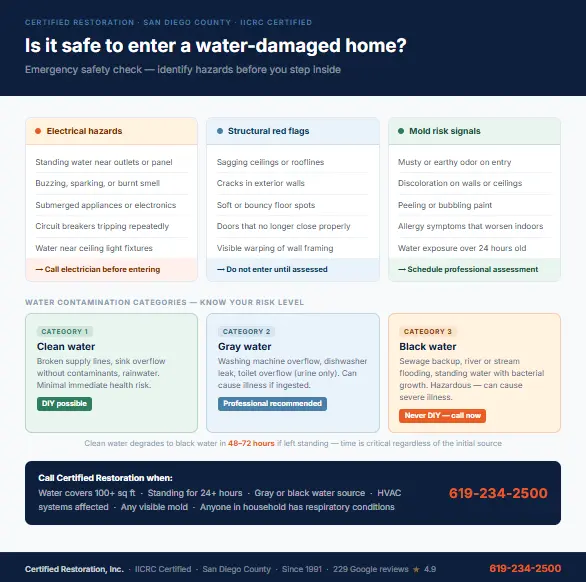
Stand back and look at your home’s exterior before entering. Check for sagging rooflines, cracks in exterior walls, or any signs that the structure has shifted. If you notice any of these warning signs, do not enter until a professional has evaluated the building’s stability.
Look for downed power lines near your property. If you see any, stay at least 35 feet away and contact San Diego Gas & Electric immediately at 1-800-411-7343.
Step 2: Turn Off Utilities Before Entry
If you can safely access your main electrical panel without stepping into standing water, turn off the power to your entire home. Water conducts electricity, and even shallow standing water near outlets or appliances creates electrocution risks.
To shut off your electricity safely:
- Locate your main electrical panel, typically in a garage, utility room, or exterior wall.
- Flip the main breaker switch to the “off” position.
- If you cannot reach the panel without entering water, call an electrician or your utility company.
For gas utilities, locate your gas meter and turn the valve perpendicular to the pipe to shut off flow. If you smell gas at any point, evacuate immediately and call 911.
Step 3: Wear Protective Equipment
Before entering a water-damaged area, put on appropriate protective gear. Floodwater and sewage backups can contain bacteria, chemicals, and other contaminants that pose health risks. At minimum, wear rubber boots, waterproof gloves, and eye protection. If you suspect sewage contamination, add an N95 respirator mask.
How to Inspect Walls for Water Damage and Structural Integrity
Walls absorb water quickly, and damage often extends far beyond visible stains. A thorough wall inspection helps you identify areas that may harbor hidden moisture, mold, or structural compromise. Focus on both interior and exterior walls, paying close attention to baseboards and corners where water tends to accumulate.
Visual Signs of Water Damage in Walls
Start your wall inspection by looking for these warning signs:
- Water stains or discoloration: Brown, yellow, or dark spots on drywall indicate moisture has penetrated the surface.
- Bubbling or peeling paint: Trapped moisture behind paint causes it to separate from the wall surface.
- Warping or bulging: Drywall that appears swollen or bowed suggests significant water absorption.
- Soft or spongy areas: Gently press on walls to check for areas that feel soft or give way under pressure.
According to Water Damage America’s structural integrity guide, water infiltration can weaken load-bearing walls over time, potentially causing uneven settling or structural shifts if left unaddressed.
How to Check for Hidden Moisture in Walls
Surface-level inspections don’t always reveal the full extent of water damage. Hidden moisture trapped behind drywall can lead to mold growth and ongoing structural deterioration. Here’s how to detect it:
Use a moisture meter: These affordable tools (available at hardware stores) measure moisture content in building materials. Press the probes against the wall surface and note readings above 15% moisture content, which indicate a problem.
Check for temperature differences: Place your hand on various wall sections. Wet areas often feel cooler than surrounding dry sections due to evaporation.
Listen for hollow sounds: Knock on walls throughout the affected area. A hollow or different-sounding response may indicate water has saturated insulation or created air pockets.
How to Assess Floor Damage After Water Intrusion
Floors take the brunt of water damage in most flooding scenarios. Whether you have hardwood, carpet, tile, or laminate, each flooring type responds differently to water exposure. Evaluating floor damage helps you determine which materials can be saved and which require replacement.
Signs of Water Damage by Floor Type
Hardwood floors: Look for cupping (edges raised higher than the center), crowning (center raised higher than edges), or buckling where boards lift completely from the subfloor. Discoloration and warping indicate significant moisture absorption.
Carpet and padding: Wet carpet is obvious to the touch, but check padding underneath as well. Padding holds moisture longer than carpet fibers and often requires removal even when carpet appears salvageable.
Tile and grout: While tile itself resists water damage, check grout lines for deterioration and look for loose tiles that indicate water has reached the subfloor beneath.
Laminate flooring: Laminate swells and warps when exposed to water. Look for raised edges, buckling, or gaps between planks.
Evaluating Subfloor and Structural Floor Damage
The subfloor beneath your finished flooring is critical to your home’s structural integrity. Water-damaged subfloors can rot, weaken, and eventually fail if not addressed.
Walk carefully across affected areas and note any of these warning signs:
- Soft or bouncy spots that feel unstable underfoot
- Squeaking or creaking sounds that weren’t present before
- Visible sagging or uneven floor surfaces
- Musty odors emanating from floor areas
If you discover significant subfloor damage, avoid walking in those areas and contact a professional restoration service for evaluation.
How to Identify Electrical Hazards After Water Damage
Electrical hazards represent one of the most dangerous aspects of water damage. Water and electricity create potentially fatal conditions, and damaged electrical systems can spark fires even after visible water has dried. Never assume electrical components are safe just because they appear dry.
Immediate Electrical Safety Steps
Once you’ve turned off your main breaker, perform a visual inspection of electrical components in affected areas:
- Check outlets and switches: Look for discoloration, burn marks, or visible moisture around electrical receptacles.
- Inspect appliances: Any appliance that was submerged or splashed should be unplugged and evaluated by a professional before use.
- Examine light fixtures: Water in ceiling fixtures can remain trapped and create ongoing hazards.
- Look for exposed wiring: Water damage can compromise wire insulation, creating shock and fire risks.
When to Call a Licensed Electrician
Do not restore power to your home until a licensed electrician has inspected your electrical system if any of the following occurred:
- Water reached electrical outlets, switches, or the breaker panel
- Any appliances or electronics were submerged
- You notice burnt smells, sparking, or buzzing sounds
- Circuit breakers keep tripping after the initial shutoff
Electrical repairs are not DIY projects after water damage. The risks of electrocution and house fires are too significant to take shortcuts.
How to Recognize Hidden Mold Signs After Water Damage
Mold growth is one of the most serious secondary consequences of water damage. According to the Centers for Disease Control and Prevention, mold can begin growing in as little as 24 to 48 hours in humid conditions. San Diego’s coastal climate can accelerate this timeline, especially during summer months when humidity levels rise.
Early Warning Signs of Mold Growth
Mold doesn’t always appear as obvious black spots on walls. Early indicators include:
- Musty or earthy odors: A persistent damp smell often signals mold growth before it becomes visible.
- Increased allergy symptoms: Sneezing, coughing, itchy eyes, or respiratory irritation that worsens when you’re home.
- Visible discoloration: Spots that appear grey, green, brown, or black on walls, ceilings, or floors.
- Peeling or bubbling surfaces: Paint or wallpaper lifting away from walls can indicate moisture and mold beneath.
As noted in Hippo’s research on home mold indicators, many homeowners overlook subtle signs until mold becomes a significant problem requiring expensive remediation.
Health Risks of Mold Exposure
Mold releases tiny spores into the air that can trigger health problems, especially for sensitive individuals. Common health effects include:
- Respiratory issues such as coughing, wheezing, and shortness of breath
- Allergic reactions including sneezing, runny nose, and skin rashes
- Eye irritation and watering
- Headaches and fatigue
Individuals with asthma, COPD, or compromised immune systems face higher risks from mold exposure. If anyone in your household has these conditions, prioritize rapid drying and professional mold assessment.
Where Mold Commonly Hides in San Diego Homes
Mold thrives in dark, damp, poorly ventilated spaces. After water damage, inspect these high-risk areas:
- Behind drywall and baseboards where moisture gets trapped
- Under carpets and carpet padding
- Inside closets, especially those against exterior walls
- Around HVAC systems and in ductwork
- In attics where roof leaks may have occurred
- Behind appliances like washing machines and refrigerators
How to Determine Water Damage Categories and Contamination Levels
Not all water damage is equal. The source of water determines its contamination level and the appropriate response. Understanding water categories helps you assess health risks and decide whether you can handle cleanup yourself or need professional help.
Category 1: Clean Water
Clean water originates from sanitary sources such as broken supply lines, sink overflows without contaminants, or rainwater that hasn’t contacted surfaces. This category poses minimal immediate health risks, but it must still be addressed quickly to prevent deterioration to Category 2 or 3.
Category 2: Gray Water
Gray water contains contaminants that can cause discomfort or illness if ingested or exposed to skin. Sources include washing machine overflows, dishwasher leaks, or toilet overflows containing urine but not feces. Professional cleaning is recommended for gray water incidents.
Category 3: Black Water
Black water is grossly contaminated and can cause severe illness or death. Sources include sewage backups, flooding from rivers or streams, and standing water that has begun to support bacterial growth. Never attempt DIY cleanup of black water—this requires professional hazmat protocols.
Clean water can degrade to gray or black water within 48 to 72 hours if left standing. Time is critical regardless of the initial water source.
When to Shut Off Utilities After Water Damage
Knowing when and how to shut off utilities can prevent additional damage and protect your family’s safety. Each utility presents different risks and requires specific actions.
Electricity Shutoff Guidelines
Shut off electricity immediately if:
- Standing water has reached electrical outlets, switches, or appliances
- Water is actively flowing near electrical components
- You hear buzzing, crackling, or see sparks
- You smell burning plastic or notice smoke
Do not turn electricity back on until a licensed electrician confirms your system is safe.
Gas Shutoff Guidelines
Shut off gas and evacuate immediately if:
- You smell the distinctive rotten-egg odor of natural gas
- You hear hissing near gas lines or appliances
- Water has come into contact with gas appliances
- You suspect any damage to gas lines
Once gas is shut off, only your utility company should restore service. Call SDG&E at 1-800-411-7343 to report gas emergencies and schedule reconnection.
Water Supply Shutoff Guidelines
If water damage resulted from a plumbing failure, locate and shut off your water supply:
- For isolated leaks: Turn off the fixture valve directly below the sink, toilet, or appliance.
- For larger leaks or unknown sources: Shut off the main water valve, typically located near your water meter or where the main line enters your home.
How to Document Water Damage for Insurance Claims
Thorough documentation supports your insurance claim and helps ensure you receive appropriate coverage for repairs. Start documenting as soon as it’s safe to do so—before any cleanup begins.
What to Document After Water Damage
Create a complete record that includes:
- Wide-angle photos: Capture the full scope of damage in each affected room.
- Close-up photos: Document specific damage to walls, floors, belongings, and fixtures.
- Video walkthrough: Record a narrated video describing what you see in each area.
- Water level documentation: Place a ruler or measuring tape in photos to show water depth.
- Date and time stamps: Enable timestamps on your camera or note them manually.
Creating an Inventory of Damaged Items
List all damaged belongings with the following information:
- Item description and brand/model if applicable
- Approximate purchase date and original cost
- Current condition before damage occurred
- Extent of water damage
Store digital copies of all documentation in cloud storage to prevent loss. Keep original receipts for emergency expenses including temporary housing, equipment rentals, and cleanup supplies.
When to Call Certified Restoration for Professional Water Damage Help
Some water damage situations require professional expertise and industrial-grade equipment. Knowing when to call for help ensures faster recovery and prevents costly secondary damage.
Situations That Require Professional Restoration
Contact an IICRC-certified restoration company like Certified Restoration when:
- Water covers more than 100 square feet of floor space
- Standing water has been present for more than 24 hours
- The water source is gray water or black water
- Structural materials such as drywall or subfloors are saturated
- HVAC systems have been affected by water
- You notice any signs of mold growth
- Anyone in your household has respiratory conditions or compromised immunity
What Professional Restoration Includes
Certified Restoration brings specialized capabilities to water damage recovery:
- Industrial water extraction: Commercial-grade pumps and vacuums remove water far faster than consumer equipment.
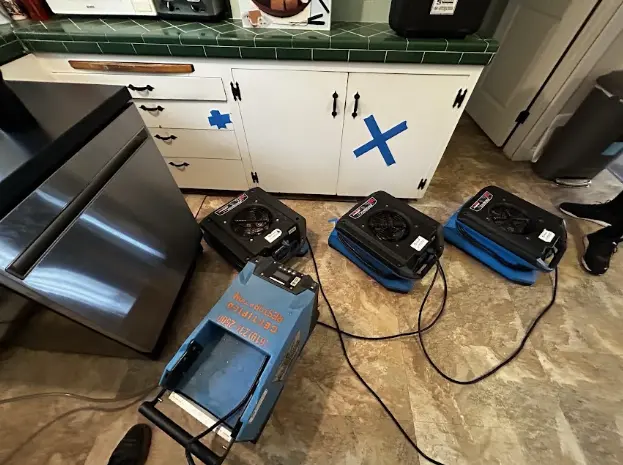
- Structural drying: High-capacity dehumidifiers and air movers ensure complete moisture removal from walls, floors, and cavities.
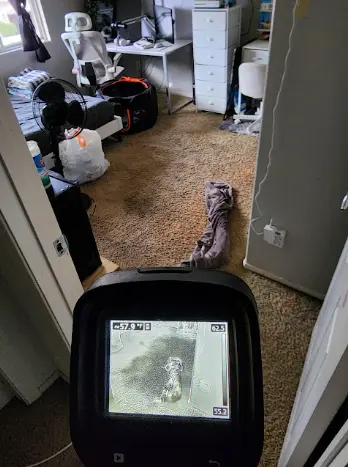
- Moisture detection: Thermal imaging cameras and professional moisture meters identify hidden water that would otherwise cause ongoing problems.
- Antimicrobial treatment: Professional-grade products prevent mold growth and eliminate bacteria.
- In-place drying: Certified Restoration’s in-place drying techniques allow tenants to stay during remediation, reducing disruption and costs.
How to Prevent Future Water Damage in Your San Diego Home
After recovering from water damage, taking preventive measures helps protect your home from future incidents. Regular maintenance and early detection systems can save thousands in repair costs.
Regular Maintenance Tasks
Schedule these maintenance activities to reduce water damage risks:
- Inspect plumbing annually: Check under sinks, around toilets, and near water heaters for signs of leaks or corrosion.
- Clean gutters and downspouts: Clogged gutters cause water to overflow near your foundation, especially during San Diego’s rainy season.
- Inspect your roof: Look for damaged or missing shingles, cracked flashing, and deteriorating seals around vents.
- Check appliance hoses: Replace washing machine and dishwasher hoses every five years or sooner if you notice cracking.
- Test sump pumps: If you have a sump pump, test it twice yearly by pouring water into the pit.
Early Detection Systems
Smart water sensors and automatic shut-off systems can detect leaks before they become disasters. These devices alert you immediately when moisture is detected and can automatically stop water flow to prevent extensive damage.
Emergency Contacts and Resources for San Diego Homeowners
Keep these contacts readily available for water damage emergencies:
- San Diego Gas & Electric (SDG&E): 1-800-411-7343 for electrical emergencies and storm recovery
- San Diego County Emergency Services: 619-673-8780 for disaster recovery assistance
- 2-1-1 San Diego: Dial 2-1-1 for information and referrals to services
- National Weather Service San Diego: Weather.gov/sgx for flood watches and warnings
In Conclusion: How to Protect Your San Diego Home from Water Damage
Emergency water damage requires swift, careful action. By following a systematic safety assessment—checking electrical hazards, evaluating walls and floors, identifying mold risks, and documenting everything—you can protect both your family and your property. San Diego’s unique climate means moisture can become a problem quickly, making rapid response essential.
Remember that some situations demand professional help. Category 3 water, structural damage, and mold growth all require expertise and equipment beyond DIY capabilities. Certified Restoration serves San Diego County homeowners with 24/7 emergency response, IICRC-certified technicians, and proven in-place drying techniques that minimize disruption to your life.
Don’t wait until water damage becomes a health hazard or structural emergency. Keep this guide accessible, share it with family members, and know that help is available when you need it most.
FAQs About Emergency Water Damage Safety Checks for San Diego Homes
How quickly does mold grow after water damage in San Diego?
Mold can begin growing in 24 to 48 hours after water intrusion. San Diego’s coastal humidity can accelerate this timeline during warmer months. Certified Restoration recommends beginning drying efforts immediately and scheduling professional assessment if you cannot dry affected areas thoroughly in the first 24 hours.
Should I enter my home if I see standing water inside?
Do not enter standing water if it may have reached electrical outlets, appliances, or your breaker panel. Turn off electricity from a dry location first, or call an electrician to do so safely. Once power is confirmed off, wear protective boots and gloves before entering.
How can I tell if water damage has affected my home’s structure?
Signs of structural damage include sagging ceilings or rooflines, cracks in walls, soft or bouncy spots in floors, doors that won’t close properly, and visible warping of framing materials. If you notice any of these warning signs, avoid those areas and contact a professional for evaluation.
What should I do if I smell gas after flooding?
If you smell gas, evacuate your home immediately without using any electrical switches or devices. Call 911 from outside and contact SDG&E at 1-800-411-7343. Do not re-enter your home until emergency responders confirm it is safe.
Does homeowners insurance cover water damage in San Diego?
Most homeowners insurance policies cover sudden and accidental water damage, such as burst pipes or appliance failures. However, flood damage from natural disasters typically requires separate flood insurance. Contact your insurance provider immediately after damage occurs to understand your coverage. Certified Restoration works directly with insurance companies to help streamline the claims process for San Diego homeowners.
How long does professional water damage restoration take?
Restoration timelines vary based on damage extent. Minor incidents may require only 2 to 3 days of drying, while extensive flooding can take 1 to 2 weeks or longer. Certified Restoration’s in-place drying techniques often allow faster recovery while letting homeowners remain in unaffected areas of their homes during the process.