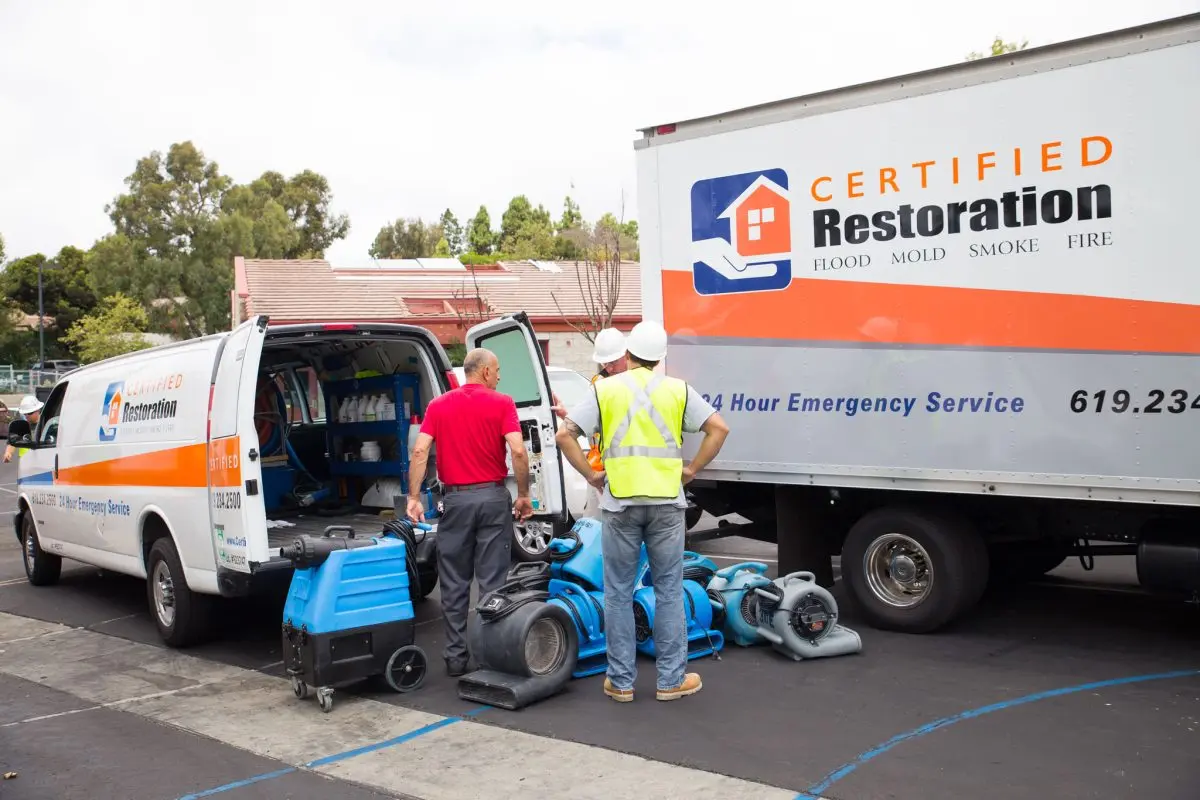
When a pipe bursts at 2 AM in a 50-unit apartment complex, the property manager who has a plan responds differently than one who does not. The prepared manager knows exactly who to call, which shut-off valves to locate, and how to communicate with affected tenants. The unprepared manager scrambles while water spreads through multiple units.
An emergency restoration plan developed before disasters strike reduces response time, limits property damage, protects tenants, and simplifies insurance claims. This guide covers the essential elements every property manager needs in their emergency response framework.
Why Property Managers Need a Formal Emergency Plan
Water damage, fire, mold, and other emergencies happen without warning. Properties without established response procedures face longer restoration times, higher costs, and greater liability exposure.
The Cost of Being Unprepared
Delayed emergency response leads to:
- Extended water exposure that increases structural damage
- Secondary damage like mold that spreads quickly in damp conditions
- Longer tenant displacement periods
- Higher insurance claims and potential premium increases
- Increased liability for tenant injuries or property loss
- Reputation damage that affects future occupancy rates
A documented emergency restoration plan that staff can reference during high-stress situations ensures consistent, effective response regardless of who receives the initial call.
Fiduciary Responsibilities
Property managers have obligations to protect both the property and its occupants. A formal emergency plan demonstrates due diligence and helps protect against liability claims. Insurance companies often view prepared properties more favorably, and documented procedures can support your position if disputes arise.
Selecting and Vetting Restoration Vendors
Your restoration vendor relationship may be the most critical element of your emergency plan. The company you choose affects response time, restoration quality, costs, and tenant satisfaction.
What to Look for in a Restoration Partner
When evaluating restoration companies, consider:
Certifications and Licensing: Verify IICRC certification and proper state licensing. These credentials indicate adherence to industry standards and professional training.
Commercial Experience: Residential and commercial restoration require different approaches. Look for companies with specific experience handling multi-unit properties, high-rise buildings, and commercial facilities.
Response Capability: Ask about average response times, after-hours availability, and the size of their team and equipment fleet. A company that arrives quickly with adequate resources prevents damage escalation.
Insurance Expertise: Experienced restoration companies understand insurance documentation requirements and can communicate effectively with adjusters on your behalf.
Communication Systems: Professional vendors provide clear, consistent updates that keep property managers, tenants, and stakeholders informed throughout the restoration process.
Tenant Communication Experience: Choose a vendor that has worked with property managers and understands how to communicate with tenants appropriately. Restoration crews interact directly with residents, and saying the wrong thing can create liability issues for building owners and property managers. Your vendor should know what information to share, what to avoid discussing, and how to redirect tenant questions back to management when needed.
Establishing Vendor Relationships Before Emergencies
Do not wait for an emergency to find a restoration vendor. Establishing relationships in advance provides several advantages:
- The vendor understands your properties and unique requirements
- Response begins immediately without time spent on vendor research
- You can negotiate service terms during non-emergency periods
- Site visits allow the vendor to document shut-off locations and access points
Some property managers include preferred restoration vendors in formal agreements that specify response times, communication protocols, and service standards.
Building Your Emergency Contact System
An effective emergency restoration plan requires organized, accessible contact information that anyone on your team can use.
Essential Contacts to Document
Your emergency contact list should include:
Primary Restoration Vendor: Multiple contact numbers including after-hours emergency lines.
Backup Restoration Vendor: In case your primary vendor is unavailable or overwhelmed by a large-scale event.
Insurance Agent and Claims Line: Both your property insurance agent and the direct claims reporting number.
Utility Companies: Emergency lines for water, gas, and electric services.
Plumbers and Contractors: For situations requiring source repairs before restoration begins.
Property Owner or Management Company: Escalation contacts for major incidents.
Local Emergency Services: Fire department non-emergency line, police non-emergency line.
Making Contacts Accessible
Store emergency contacts in multiple formats and locations:
- Cloud-based systems accessible from any device
- Physical copies at each property and management office
- Mobile-accessible platforms that staff can reference on-site
- Posted in maintenance areas at each property
Emergency preparedness platforms can store floor plans, shut-off locations, vendor contacts, and emergency protocols in one accessible system that authorized team members can access from anywhere.
Response Procedures for Common Emergencies
Documented step-by-step procedures ensure consistent response regardless of which staff member handles the situation.
Water Damage Response Protocol
When water damage is reported:
- Determine if the situation poses immediate safety risks (electrical hazards, structural concerns)
- Locate and close the appropriate water shut-off valve
- Contact your restoration vendor immediately
- Document the damage with photographs and video
- Notify affected tenants and provide guidance
- Contact your insurance company to report the incident
- Coordinate access for restoration crews
Fire Damage Response Protocol
After fire department clearance:
- Secure the property to prevent unauthorized access
- Contact your restoration vendor for fire damage assessment
- Document all damage before any cleanup begins
- Notify insurance company
- Arrange temporary housing assistance for displaced tenants if needed
- Coordinate board-up and security measures
- Establish communication schedule with affected tenants
Sewage Backup Response Protocol
Sewage incidents require immediate professional response due to health hazards:
- Keep all occupants away from affected areas
- Contact restoration vendor immediately (do not attempt DIY cleanup)
- Shut off HVAC systems to prevent contamination spread
- Document the affected area
- Contact insurance company
- Follow professional guidance on tenant notification and temporary relocation
Tenant Communication During Emergencies
Clear, timely communication reduces tenant anxiety, prevents misinformation, and demonstrates professional management.
Initial Notification
When an emergency occurs, notify affected tenants promptly with:
- Brief description of what happened
- Immediate safety instructions if applicable
- What actions you are taking
- When they can expect the next update
- Who to contact with questions
Keep initial communications factual and avoid speculation about causes or timelines.
Ongoing Updates
Throughout the restoration process, provide regular updates on:
- Restoration progress and expected milestones
- Access restrictions or changes
- Temporary accommodations if applicable
- Steps tenants should take to protect their belongings
- Timeline expectations (while noting these may change)
Professional restoration companies provide documentation and progress reports that you can share with tenants to demonstrate active management of the situation.
Documentation for Tenant Records
Maintain records of all tenant communications including:
- Date and time of each communication
- Method used (email, phone, posted notice)
- Content of the message
- Any tenant responses or concerns raised
This documentation protects both you and tenants if questions arise later.
Documentation Requirements for Insurance Claims
Thorough documentation supports faster claim processing and better outcomes.
What to Document Immediately
Before any cleanup begins:
- Photographs and video of all affected areas from multiple angles
- Close-up images of specific damage
- The source of damage if visible
- Serial numbers and descriptions of damaged equipment
- Tenant reports or statements about discovery
- Date, time, and circumstances of discovery
Ongoing Documentation
Throughout restoration:
- Daily progress photographs
- Moisture readings and drying logs
- Itemized lists of damaged materials removed
- Work performed each day
- Communications with contractors and tenants
Professional restoration companies maintain detailed documentation including moisture mapping, photo logs, and itemized scopes of work that support insurance claims.
Organizing Records
Keep all documentation organized by incident:
- Incident report with initial details
- Photographs and video files
- Vendor invoices and work orders
- Insurance correspondence
- Tenant communications
- Final restoration reports
Disaster Recovery Planning
Beyond immediate emergency response, property managers need longer-term recovery procedures.
Property Damage Assessment
Work with your restoration vendor to assess:
- Structural integrity concerns
- Hidden damage that may not be immediately visible
- Areas requiring reconstruction versus restoration
- Timeline for returning property to normal operation
Resident Return Protocols
Before tenants return to restored units:
- Verify all restoration work is complete
- Confirm air quality testing if applicable
- Document the restored condition with photographs
- Conduct walk-through with tenant if appropriate
- Provide written confirmation that the unit is safe for occupancy
Financial Management
Track all costs associated with the incident:
- Emergency response expenses
- Restoration and reconstruction costs
- Temporary housing costs if applicable
- Lost rent during vacancy
- Administrative time spent managing the incident
This documentation supports insurance claims and helps evaluate the true cost of incidents for future planning.
Working with Certified Restoration
Certified Restoration partners with San Diego property managers to develop and implement emergency restoration plans for effective disaster response. Our IICRC-certified team provides professional communication that keeps property managers, tenants, and stakeholders informed throughout every restoration project.
We specialize in in-place drying techniques that minimize tenant displacement and reduce reconstruction costs. Our cloud-based documentation system provides detailed progress reports, moisture mapping, and photo documentation that supports insurance claims.
With over 30 years of experience and thousands of completed commercial projects, we understand the unique challenges property managers face during emergencies.
Contact Certified Restoration to discuss emergency preparedness planning for your properties.
Disclaimer: This article is for general information ONLY and is not intended to be legal, medical, or scientific advice. The proper approach to each project must be determined on a case-by-case basis. Certified Restoration always recommends that you call a certified restoration professional, especially when there are children, elderly, or individuals with health conditions residing in the property.
Frequently Asked Questions
How often should property managers update their emergency restoration plans?
Review your emergency plan at least annually and update it whenever significant changes occur. This includes new properties added to your portfolio, changes in vendor relationships, updated contact information, or lessons learned from actual emergencies. Conduct annual drills or tabletop exercises with your team to identify gaps and ensure everyone understands their responsibilities.
What should be included in a property manager’s emergency contact list?
Your contact list should include your primary restoration vendor with after-hours numbers, a backup restoration company, insurance agent and claims line, utility emergency numbers, plumbers and contractors, property owners or management company contacts, and local emergency services. Store contacts in multiple formats including cloud-based systems, physical copies at each property, and mobile-accessible platforms.
How can property managers minimize tenant displacement during water damage restoration?
Work with restoration companies that specialize in in-place drying techniques. These methods allow technicians to dry cabinets, floors, and walls without removal, often enabling tenants to remain in their units during restoration. Quick response also minimizes damage spread, which reduces the scope of work needed and shortens the overall restoration timeline.
What documentation do insurance companies need after property damage?
Insurance claims require photographs and video of all damage before cleanup begins, documentation of the damage source, inventory of damaged items with descriptions and values, restoration company reports including moisture readings and work performed, and records of all communications and expenses. Professional restoration companies provide detailed documentation that meets insurance requirements and supports claim processing.
Should property managers establish restoration vendor relationships before emergencies occur?
Yes. Pre-established vendor relationships provide immediate response without delays for vendor research, better service terms negotiated outside emergency situations, vendor familiarity with your specific properties and requirements, and documented shut-off locations and access procedures. Some property managers formalize these relationships with service agreements that specify response times and communication standards.