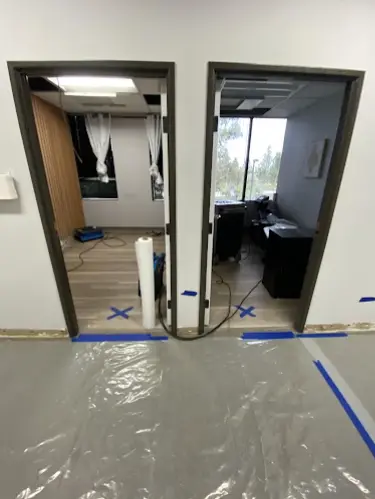
El Niño winters bring a different set of challenges for San Diego commercial and retail properties. Heavy, multi-day rain events can shut down storefronts, flood parking areas, and overwhelm drainage systems faster than most business owners anticipate. For property managers, commercial storm preparation San Diego means protecting both the building itself and the business operations inside it. Getting ahead of these storms can mean the difference between a minor disruption and a business interruption water damage claim that drags on for months.
If your commercial property is already dealing with water intrusion from recent storms, call Certified Restoration at (619) 234-2500. We respond around the clock to help San Diego businesses get back to normal operations.
Key Takeaways
- Commercial properties face unique El Niño risks from flat roofs, below-grade spaces, and storefront entries that residential buildings do not
- Business interruption claims require different documentation than property damage claims, so gather financial records before storm season
- Pre-storm documentation with date-stamped photos establishes baseline conditions that strengthen insurance claims
- A pre-arranged restoration partner with a written emergency response plan cuts downtime and speeds claim resolution
What the 2026 to 2027 El Niño Season Means for Commercial Properties
Weather forecasters at NOAA project El Niño conditions will strengthen through the 2026 to 2027 winter. Southern California faces a higher than normal probability of heavy precipitation from December through March, including multiple atmospheric river systems tracking directly into the region. For commercial property managers across San Diego, this forecast provides a window to inspect buildings, stress-test drainage, and address weak points before the first significant storms roll in.
The storm that hit San Diego on January 22, 2024 offered a preview of what El Niño intensity looks like. National Weather Service records show that single day dropped 2.73 inches of rain on the city, making it the heaviest January rainfall since 1850. Damage reports reached nearly 5,000 structures countywide, and many of those affected buildings were commercial properties with no prior flood history.
Why El Niño Storms Hit Commercial Buildings Differently
Commercial and retail properties face exposure that residential homes simply do not. Larger roof surfaces collect vastly more water. Parking lots and loading zones funnel runoff directly toward building entries. Below-grade spaces like storage rooms and mechanical areas sit at natural low points. When El Niño pushes several inches of rain across multiple consecutive days, all of these factors stack up.
Flat roofs and drainage limits. Most San Diego commercial structures use flat or low-slope roofs with internal drain systems. Under typical conditions, these systems handle rain without issue. When El Niño delivers precipitation hour after hour, debris-clogged drains or undersized piping cannot move water fast enough. Ponding develops, adding weight that stresses the roof deck. Eventually, water penetrates any weak point in the membrane.
Storefront entry points. Retail doors often sit at or below grade, particularly in older shopping centers. Runoff flowing across parking surfaces heads for the lowest point, which is frequently a store entrance. Even a few inches of standing water can ruin merchandise, flooring, and fixtures before anyone realizes the extent of the problem.
Below-grade spaces. Commercial buildings commonly have storage rooms, mechanical spaces, or parking structures below street level. Storm drains serving these areas depend on pumps or gravity flow that may fall short under El Niño intensity. Once water enters these spaces, it stays until someone actively removes it.
Loading docks and receiving areas. These zones feature large openings and floor drains sized for occasional washdowns rather than continuous heavy rain. Water can intrude through dock seals, overhead doors, or floor drains that back up when the main storm system reaches capacity.
Pre-Storm Checklist for San Diego Commercial Properties
Taking action before El Niño storms arrive protects the building and creates a documented record that strengthens any insurance claim filed later.
Download the complete checklist: Get the Commercial El Niño Storm Prep Checklist (PDF) to share with your maintenance team and tenants.
Roof and Drainage Inspection
Walk the roof with a qualified contractor before storm season begins. Look for ponding from previous rain events, debris around drain openings, and any membrane damage. Test each roof drain by running water through and timing how quickly it clears. Capture the condition with photos and video that include date stamps.
Clear all drains, scuppers, and overflow outlets. Remove leaves, trash, and any sediment that could restrict water flow. Verify that downspouts remain clear and direct water away from the building rather than toward entry points or parking areas.
If your building has rooftop HVAC equipment, check that curbs and penetrations are properly sealed. Older installations often have dried or cracked sealant that appears intact until heavy rain exposes the gap.
Parking and Site Drainage
Inspect parking lot drains, catch basins, and any channels or swales that route water away from the building. Clear out accumulated debris and sediment. If drains tie into the public storm system, confirm they are not already backing up during lighter rain events.
Observe how water moves across the parking area during rain. Does it flow away from building entries, or does it pool near doors? Temporary barriers, sandbags, or drainage improvements can redirect flow before the problem escalates.
Building Envelope and Entry Points
Examine all exterior doors, windows, and wall penetrations. Weather seals degrade over time, and gaps that cause no trouble during typical San Diego weather become water entry points during wind-driven El Niño storms.
Give extra attention to storefront glass, sliding doors, and loading dock seals. Look for daylight around frames, cracked caulking, or gaps at floor level. Record what you find.
Inventory and Equipment Protection
Retail and warehouse spaces need specific preparation to protect stock and business-critical systems from water damage.
Raise inventory off the floor. Use pallets, shelving, or risers to elevate merchandise and stored materials at least four to six inches above floor level. This buffer protects against minor flooding and gives you time to respond if water begins entering the space.
Move stock away from vulnerable areas. Relocate inventory away from exterior walls, entry doors, and below-grade storage rooms before storm season. Items stored near loading docks and garage doors face the highest exposure.
Protect point-of-sale and business systems. Back up POS data, customer records, and critical business files to cloud storage. If registers, servers, or network equipment sit at floor level, raise them or relocate them to higher ground. Ensure backup power systems are tested and ready.
Document inventory placement. Photograph your pre-storm inventory arrangement with date stamps. This documentation establishes the baseline condition and supports insurance claims if damage occurs.
Below-Grade Spaces
If your building includes any below-grade areas, test sump pumps, floor drains, and backflow preventers. Run the pumps to confirm they activate correctly. Check that float switches move freely and electrical connections are secure.
Consider the worst case scenario: if the primary drain system backs up, where will water collect? Sandbags, temporary berms, or portable pumps can protect critical equipment and inventory in vulnerable areas.
Tenant Communication
For multi-tenant properties, share storm preparation plans with all occupants. Let tenants know what the property management team is handling, and clarify what tenants should address themselves. Cover these topics:
- Moving inventory and equipment away from flood-prone areas
- Reporting leaks or drainage problems right away
- Emergency contact numbers for after-hours situations
- Evacuation or shelter procedures if conditions turn dangerous
Keep copies of this communication. Emails or written notices create evidence showing reasonable steps were taken before the storm.
Emergency Contact List
Before storm season, compile and distribute contact information for:
- Property management emergency line
- Building maintenance staff
- Roofing contractor
- Plumber with around-the-clock availability
- Water damage restoration partner (more on this below)
- Insurance agent or claims hotline
- Local emergency services
Having these contacts organized before water enters the building saves valuable time when every hour matters.
Business Interruption Claims vs. Property Damage Claims
Commercial property insurance typically includes two categories of coverage that come into play after storm damage. Understanding the distinction helps property managers document effectively and avoid gaps in recovery.
| Aspect | Property Damage Coverage | Business Interruption Coverage |
| What it covers | Physical building and contents: roof, walls, flooring, HVAC, inventory, equipment | Lost income and ongoing expenses when the business cannot operate |
| Examples | Replacing water-damaged drywall, repairing roof membrane, replacing ruined merchandise | Lost revenue during closure, payroll for key employees, rent payments, utilities |
| Trigger | Physical damage to insured property | Covered property damage that forces business closure |
| Key documentation | Photos, contractor estimates, inventory lists, receipts | Historical sales data, P&L statements, payroll records, lease agreements |
| Adjuster focus | Physical condition of building and contents | Financial records proving expected earnings during closure period |
The connection matters here: business interruption coverage generally requires a covered property damage claim. If water damage forces your tenant’s business to close, both claims work in tandem. However, the documentation each requires differs significantly.
What Records Support a Business Interruption Claim
Start gathering documentation before any storm arrives. Having records organized speeds the claims process and reduces disputes with adjusters.
- Profit and loss statements from the same period in prior years
- Monthly or weekly sales reports showing normal revenue patterns
- Payroll records and employee schedules
- Lease agreements and rent payment history
- Contracts with customers or clients that may be affected by closure
- Marketing or promotional calendars showing planned events
When damage occurs, continue documenting:
- The exact date and time operations stopped
- What specific damage caused the closure
- Every day the business remained closed and the reason
- Extra expenses incurred to minimize the closure period (temporary locations, expedited repairs, overtime labor)
- The date operations resumed and any reduced capacity during recovery
This timeline creates a clear narrative for the adjuster. Without it, disputes over how long the closure was “necessary” can delay or reduce payment.
Documenting Conditions Before and After the Storm
Solid documentation protects your claim and accelerates the entire process. Adjusters work from evidence, and the more evidence you supply, the clearer the picture.
Pre-Storm Documentation
Walk through the property and photograph everything. Capture the condition of:
- Roofing and drainage systems
- Exterior walls, doors, and windows
- Parking areas and site drainage
- Interior spaces, especially those at risk (below-grade areas, spaces near entries)
- Inventory and equipment placement
- Any recent maintenance or repairs
Take wide shots showing overall condition and close-ups of specific features. Include date stamps, or photograph a newspaper with the date visible to establish timing. Store copies in multiple locations, including cloud storage that remains accessible even if the property sustains damage.
During the Storm
If conditions allow safe access, document water intrusion as it happens. Video showing water entering through a specific point provides powerful evidence of how damage occurred. Note the date and time of each observation.
Do not enter areas with standing water near electrical panels, outlets, or equipment. Water and electricity create serious hazards. If flooding is severe, remain outside until a professional can verify safety.
Post-Storm Documentation
Once conditions are safe, document everything again. Photograph and record video of:
- Water levels and where they reached (measure and mark with tape if helpful)
- Damage to building components, flooring, walls, ceilings
- Damaged inventory or equipment
- Standing water in any area
- Visible mold or moisture indicators
Create a written inventory of damaged items with descriptions, approximate values, and purchase dates if known. For tenant contents, coordinate with each tenant to document their losses as well.
Save everything. Damaged materials, soggy documents, and ruined inventory may need to be disposed of for health reasons, but photograph each item before removal. Adjusters may question claimed losses if no physical evidence exists.
How a Pre-Arranged Restoration Partner Shortens Downtime
Commercial water damage creates pressure from multiple directions at once. Tenants want answers. Insurance companies want documentation. Customers want to know when the business will reopen. Every hour of delay costs money.
Working with a restoration company you have already contacted before the storm gives you a real advantage. The relationship is already in place. They know your property. When the call comes, they mobilize immediately.
What Is a Pre-Loss Emergency Response Plan?
A pre-loss or emergency response plan is a written agreement between a property manager and a restoration company that establishes the relationship before any damage occurs. The plan typically includes:
- Priority response commitment during widespread storm events
- Pre-established contact protocols and after-hours procedures
- Property information on file: building layouts, utility shutoffs, access procedures, and key contacts
- Agreed pricing structures and insurance coordination processes
- Annual or semi-annual property walk-throughs to identify vulnerabilities
When multiple properties across San Diego experience flooding during the same El Niño storm, restoration companies face more calls than they can answer at once. Properties with pre-loss agreements move to the front of the queue because the crew already understands the building, knows who to contact, and can start work without intake delays.
Certified Restoration has served San Diego commercial properties for 35+ years. We understand what property managers face during El Niño season: multiple buildings with different vulnerabilities, tenant coordination, insurance requirements, and the pressure to restore operations as quickly as possible.
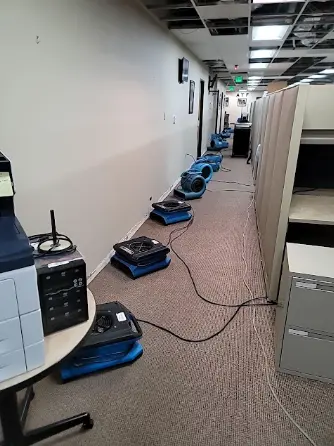
Our commercial water damage restoration services include rapid water extraction, structural drying with industrial equipment, and direct coordination with your insurance carrier from day one. We document conditions thoroughly, providing the records that support your claim and answer adjuster questions before they arise.
For commercial properties dealing with flood restoration and water removal, speed is critical. Water left standing even briefly creates conditions where mold can start forming within the first couple of days. Mold on a commercial property triggers additional mold remediation work and can extend closure times substantially. Extracting water fast and drying the structure properly prevents these secondary problems from developing.
Ready to Prepare Your Commercial Property?
Commercial storm preparation San Diego takes planning, but the payoff is real. Properties that prepare for El Niño storms experience less damage, faster recovery, and smoother insurance claims compared to those caught unprepared.
Call Certified Restoration at (619) 234-2500 to discuss your property before storm season arrives. We can walk through your building, identify vulnerabilities, and make sure you have a response plan ready. When the next El Niño storm reaches San Diego, you will be prepared.
Frequently Asked Questions
Who is responsible for storm water damage in a multi-tenant building, the landlord or the tenant?
Responsibility depends on the lease agreement and the source of the damage. Landlords typically bear responsibility for maintaining the building structure, including the roof, exterior walls, and common-area drainage systems. If water enters because of a structural failure the landlord should have addressed, the landlord generally bears liability. Tenants are usually responsible for their own contents and any damage caused by their own negligence, such as leaving doors open during a storm. Most commercial leases require tenants to carry their own insurance for inventory and business interruption. Review your lease carefully before storm season, and clarify any ambiguous language with your insurance agent or attorney.
What is a pre-loss or emergency response plan with a restoration company?
A pre-loss emergency response plan is a written agreement that establishes a relationship with a restoration company before any damage occurs. The plan puts your property information on file, including building layouts, utility shutoffs, key contacts, and access procedures. It also establishes priority response status, agreed pricing, and insurance coordination processes. When a storm hits and multiple properties need help at once, properties with pre-loss plans receive faster attention because the restoration company already knows the building and can begin work without delays. Many plans include annual property walk-throughs to identify vulnerabilities before they become problems.
What should San Diego property managers document before an El Niño storm?
Document everything about your property’s current condition: roof and drainage systems, exterior doors and windows, parking lot drainage, and any below-grade spaces. Capture photos and video with date stamps. Record the condition of inventory and equipment, especially items near potential water entry points. Retain copies of recent maintenance records and contractor invoices for drainage or roofing work. Store this documentation in cloud storage so it remains accessible even if the property itself sustains damage. This pre-storm record establishes the baseline condition, making it clear what damage the storm caused versus what existed beforehand.
Why do commercial flat roofs fail during El Niño storms?
San Diego commercial roofs are engineered for the region’s typically light rainfall patterns. El Niño storms deliver rain at much greater intensity over longer durations. Internal drains that handle ordinary weather cannot move the volume fast enough. When drains become blocked with debris or the piping capacity is exceeded, water pools on the roof. That standing water adds considerable weight to the structure and seeks out any weakness in the roofing membrane. Older roofs with deteriorated flashings around HVAC equipment and penetrations are particularly prone to failure. Regular inspection and drain clearing before storm season can prevent many of these problems.
Does standard commercial property insurance cover El Niño flood damage?
Standard commercial property insurance typically covers water damage from sources like roof leaks, burst pipes, or sprinkler discharge. However, flood damage from external water sources, such as overflowing storm drains or rising waterways, often requires a separate flood insurance policy. If your San Diego commercial property sits in a low-lying area near Mission Valley, the San Diego River, or other flood-prone zones, obtaining flood coverage through the National Flood Insurance Program is worth considering. Be aware that most flood policies require a 30-day waiting period before coverage activates, so purchasing a policy after storm forecasts appear will not provide immediate protection.
How does having a restoration partner in place before the storm help my claim?
When you already have a relationship with a restoration company, response time drops considerably. The company is already familiar with your property, your contacts, and your specific requirements. They can begin work immediately when you call rather than starting from scratch. Fast response limits the extent of damage, which in turn reduces claim costs. A reliable restoration partner also documents conditions thoroughly from the first hour on site, creating the photographic and written evidence that supports both property damage and business interruption claims. This documentation often resolves adjuster questions before they become sticking points, speeding up the overall claims process.
This article is for general information only and is not intended to be legal, medical, or scientific advice. The proper approach to each project must be determined on a case-by-case basis. Certified Restoration always recommends that you call a certified restoration professional to assess your commercial property.