
Water damage doesn’t end when the flooding stops. The real work begins after visible water disappears, because moisture hides in places you can’t see. Understanding how professionals dry out water damage helps property owners appreciate why proper restoration matters for their homes and health.
Professional drying involves far more than running a few fans. It requires specialized equipment, technical knowledge, and systematic processes that address moisture at every level.
Water Extraction: The Critical First Step
Removing Standing Water Quickly
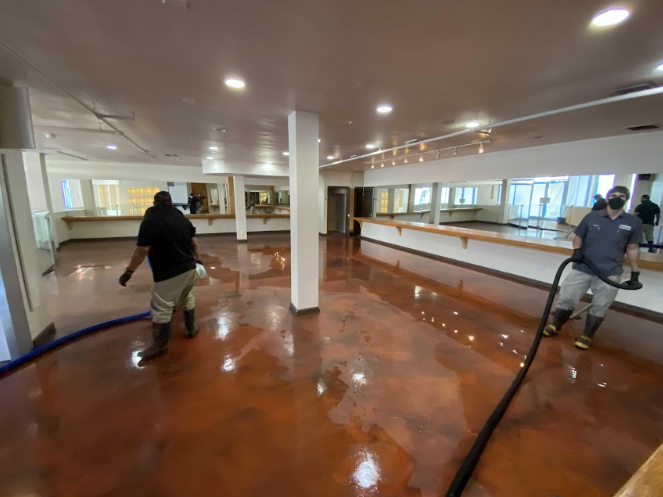
Before any drying can begin, standing water must be removed from the property. A professional restoration team arrives equipped with submersible pumps designed to handle large volumes of water efficiently. These commercial-grade pumps remove water far faster than consumer equipment.
Speed matters during water extraction. The longer water sits, the deeper it penetrates into floors, walls, and belongings. Quick removal reduces overall damage and makes drying more effective.
Wet Vacuums for Remaining Moisture
After pumps remove the bulk of standing water, wet vacuums extract remaining moisture from surfaces and materials. Professional wet vacuums pull water from carpets, upholstery, and hard surfaces that pumps can’t fully address. This extraction phase removes the easy moisture. What comes next targets the water you can’t see.
Dehumidification: Pulling Moisture from the Air
How Dehumidifiers Work in Restoration
Dehumidifiers play a central role when professionals dry out water damage. These devices remove humidity from the air, which in turn draws moisture out of water-damaged surfaces. As humid air passes through the dehumidifier, moisture condenses and collects, leaving drier air to circulate.
Professional restoration uses commercial dehumidifiers with much higher capacity than household units. These powerful machines process large volumes of air, making them effective for whole-room or whole-building drying.
Creating the Right Drying Environment
Effective dehumidification requires creating proper conditions throughout the affected area. Professionals position dehumidifiers strategically to maximize air circulation and moisture removal. The goal is to create an environment where moisture moves from wet materials into the air, then gets removed by the dehumidifier.
Temperature also plays a role in how well dehumidifiers perform. Warmer air holds more moisture, which means dehumidifiers can pull more water from the environment when temperatures stay elevated. Professionals balance temperature and humidity levels to create ideal drying conditions for each situation.
Air Movers: Accelerating the Drying Process
The Role of Commercial Air Blowers
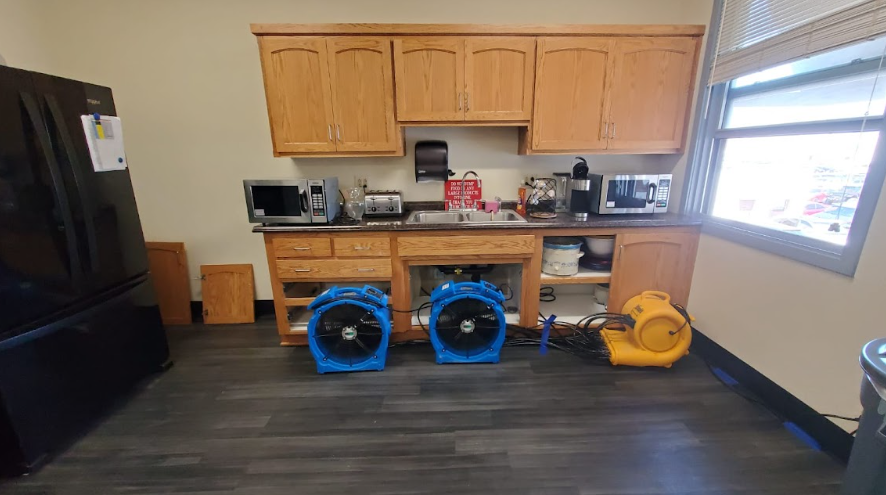
Air movers work alongside dehumidifiers to speed up drying. Just as dehumidifiers remove moisture from air, air blowers and movers remove water from objects and surfaces by increasing evaporation. The moving air encourages moisture to leave wet materials faster than still air allows.
Professional air movers produce focused, high-velocity airflow that reaches into corners, gets behind furniture, and flows along surfaces where moisture collects.
Strategic Placement for Maximum Effect
Restoration professionals position air movers to create continuous airflow patterns that move moisture toward dehumidifiers. Multiple units often work together, creating overlapping coverage that ensures no area gets overlooked. This systematic approach to drying out water damage produces faster, more complete results.
Moisture Detection: Finding Hidden Water
Moisture Meters Reveal What Eyes Cannot See
Moisture meters provide moisture level information in areas that are difficult to see. These instruments measure moisture content in building materials, helping technicians identify wet areas needing additional drying attention.
Professionals use moisture meters throughout the drying process. Initial readings establish baseline moisture levels. Follow-up readings track progress and confirm when materials return to acceptable levels.
Infrared Cameras Show Temperature Differences
Infrared cameras help water damage repair experts identify wet areas by showing temperature variations. Wet materials appear cooler than dry materials because evaporation creates a cooling effect. These cameras can also be useful when determining the source of a leak.
Thermal imaging reveals moisture patterns hidden behind walls, under floors, and in concealed spaces. This technology prevents teams from missing wet areas that could cause mold growth if left untreated.
Why Detection Matters for Complete Drying
Hidden moisture creates the biggest long-term risks after water damage. Walls, floors, and ceilings can hold significant moisture without visible signs. Moisture detection technology is key to assessing the risk of mold growth and verifying that drying is truly complete.
Structural Drying: Walls, Floors, and Ceilings
Drying Different Building Materials
Different building materials require different drying approaches. Wood, drywall, concrete, and carpet each absorb and release moisture differently. Understanding these differences helps professionals to dry out water damage more effectively.
Hardwood floors present particular challenges because wood is porous and retains moisture even after surface water disappears. Wood floor air mats help remove moisture from porous hardwood flooring more effectively than air movers alone.
Addressing Wall and Ceiling Moisture
Water travels through walls and ceilings in ways that aren’t immediately obvious. Moisture wicks upward through drywall and can spread far from the original water source. Professionals often create airflow pathways behind walls to dry hidden moisture completely.
Baseboards often require removal to prevent moisture buildup around drywall, which can lead to mold growth. Baseboard tools make removing and replacing water-damaged baseboards easier.
Heat as a Drying Tool
Heat accelerates moisture evaporation from materials. Restoration technicians use heat lamps and other heating tools to ensure properties dry thoroughly. The combination of heat, airflow, and dehumidification creates optimal drying conditions for materials that hold moisture stubbornly.
Why Professional Drying Prevents Mold Growth
The Mold Timeline
Mold development can start as soon as one to two days after water intrusion. This narrow window makes prompt, complete drying critical. Professional restoration crews act fast and work methodically to eliminate moisture before mold takes hold.
Complete Drying Eliminates Mold Conditions
Mold needs moisture to grow. Complete, professional drying removes the moisture that mold requires. When building materials return to normal moisture levels, they no longer support mold development.
This is why moisture detection matters. Surface drying alone might leave hidden moisture that supports mold growth behind walls or under floors. Professional detection and drying address moisture at every level.
The Professional Restoration Process
Systematic Approach to Water Damage
Professional water damage restoration follows a systematic process. The overall approach includes:
- Inspection and damage assessment
- Water removal and extraction
- Drying and dehumidification
- Cleaning and sanitizing
- Restoration
Each step builds on previous steps. Rushing any phase leads to incomplete results.
Ongoing Monitoring Throughout Drying
Restoration doesn’t end when equipment gets set up. Technicians monitor drying progress using moisture meters and thermal imaging, adjusting equipment as conditions change. Monitoring continues until all areas reach acceptable moisture levels.
Daily checks allow technicians to reposition equipment as needed. Some areas dry faster than others, so moving air movers and dehumidifiers to remaining wet spots keeps the process efficient.
San Diego Water Damage Restoration Services
When water damage strikes your property, Certified Restoration offers expert water damage restoration across San Diego. Their technicians bring advanced tools to every job, including hygrometers, infrared cameras, moisture detectors, submersible pumps, dehumidifiers, commercial air movers, heat lamps, and wood floor air mats.
Certified Restoration has served San Diego properties for more than three decades. The team handles each property with care while acting fast to extract water, lower humidity levels, and bring spaces back to their original state. From saving furniture, carpets, and drapes to handling replacements when necessary, the team manages every detail to reduce stress during a difficult time.
They communicate clearly throughout the project and coordinate with insurance providers to ease the claims process.
Contact Certified Restoration for around-the-clock emergency response when you need professionals to dry out water damage correctly and shield your property from mold and lasting structural harm.
Frequently Asked Questions
How long does professional water damage drying take?
Drying time varies depending on the extent of water damage, the materials affected, and environmental conditions. Professionals monitor moisture levels throughout the process and continue until all areas reach acceptable readings. The timeline differs for every situation based on these specific factors.
What equipment do professionals use to dry water damage?
Professional restoration teams use submersible pumps, wet vacuums, commercial dehumidifiers, air movers, moisture meters, infrared cameras, heat lamps, wood floor air mats, and baseboard tools. This specialized equipment addresses moisture at every level, from standing water to hidden moisture in building materials.
Why can’t I just use fans to dry water damage myself?
Household fans move air but don’t create the controlled drying environment that professional equipment provides. Without dehumidification, moisture stays in the air and can reabsorb into materials. Without moisture detection, hidden water goes unaddressed. Professional drying combines multiple systems working together.
How do professionals find hidden moisture?
Moisture meters measure moisture content in building materials, while infrared cameras detect temperature differences that indicate wet areas. These tools reveal moisture behind walls, under floors, and in other concealed spaces that visual inspection would miss entirely.
Does professional drying prevent mold?
When done properly, professional drying removes the moisture that mold needs to grow. Complete drying, verified by moisture detection, eliminates conditions that support mold development. This is why thorough, monitored drying matters so much for property protection.
Should I wait to call professionals after water damage?
No. Quick response limits how deeply water penetrates building materials and reduces overall damage. Professional teams available around the clock respond to water emergencies immediately, giving properties the best chance for complete restoration.
Disclaimer: This article is for general information ONLY and is not intended to be legal, medical, or scientific advice. The proper approach to each project must be determined on a case-by-case basis. Certified Restoration always recommends that you call a certified restoration professional, especially when there are children, the elderly, or individuals with health conditions residing in the property.
