When properties require biohazard cleanup, understanding biohazard cleanup time and what the process involves helps property owners recognize the complexity of these situations. Biohazard cleanup addresses contamination from hazardous materials requiring specialized professional attention.
The process involves systematic steps that ensure complete decontamination and safe property restoration. Professional teams handle materials that pose serious health risks, following specific procedures that protect everyone involved.
What Biohazard Cleanup Involves
Biohazard cleanup is the specialized process of removing, cleaning, and sanitizing areas contaminated with blood, bodily fluids, or other potentially infectious materials. This work requires specific training, equipment, and procedures that regular cleaning cannot provide.
The cleanup addresses contamination from various sources. Blood and bodily fluids present serious health risks requiring professional handling. Tissue and materials contaminated by these substances also qualify as biohazards requiring specialized attention.
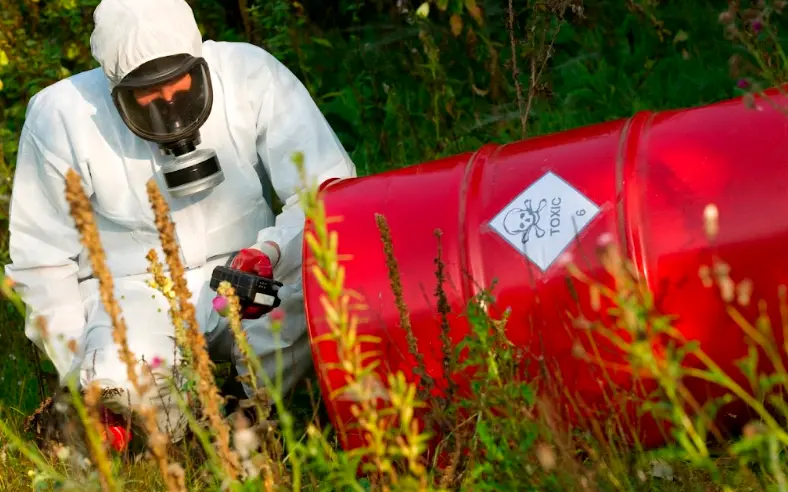
Animal remains and waste create biohazard conditions requiring professional cleanup. These situations involve biological materials that pose health threats when not handled properly. Professional assessment determines the appropriate cleanup approach for each situation.
Factors Affecting the Cleanup Process
Several factors influence how biohazard cleanup proceeds. The severity of contamination determines the extent of work required. More extensive contamination requires more thorough cleaning and decontamination procedures.
The size of the affected area impacts the cleanup process. Larger contaminated spaces require more time and resources for complete decontamination. Professional teams assess the full scope of affected areas during initial evaluation.
The type of materials involved affects cleanup procedures. Porous materials like carpets and drywall may require removal because they absorb contaminants. Hard surfaces might be cleanable through specialized sanitization. Professional expertise determines appropriate treatment for different materials.
The Biohazard Cleanup Process
Professional biohazard cleanup follows systematic steps that address contamination thoroughly. Each phase focuses on specific aspects of decontamination and restoration.
Initial Assessment and Containment
The cleanup process begins with a comprehensive assessment of the contaminated area. Professional teams identify all affected materials and develop cleanup strategies. Containing the affected area prevents contamination from spreading through barriers and proper containment protocols.
Removal and Cleaning
Safely removing contaminated materials requires specialized equipment. Materials that cannot be properly decontaminated require disposal. Thorough decontamination uses bio-washing, a high-temperature, low-pressure steam cleaning process that eliminates contaminants at deep levels.
Final Steps
Professional deodorization eliminates odors at their source. Complete sanitization ensures all contamination has been eliminated. E. coli testing can verify decontamination success upon request.
Types of Biohazard Situations
Different biohazard situations require professional cleanup. Crime scenes often involve biological materials requiring specialized handling. Undiscovered decomposition creates severe biohazard conditions requiring complete decontamination.
Trauma scenes from accidents or violent incidents need professional restoration. Death cleanup provides sensitive services for properties affected by fatalities. Home accidents can create biohazard situations requiring professional attention.
Forensic investigation chemicals require specialized cleanup and neutralization. Hoarding situations often contain biohazards, including biological waste. Animal remains and waste contamination require professional cleanup to prevent health hazards.
Why Professional Services Are Essential
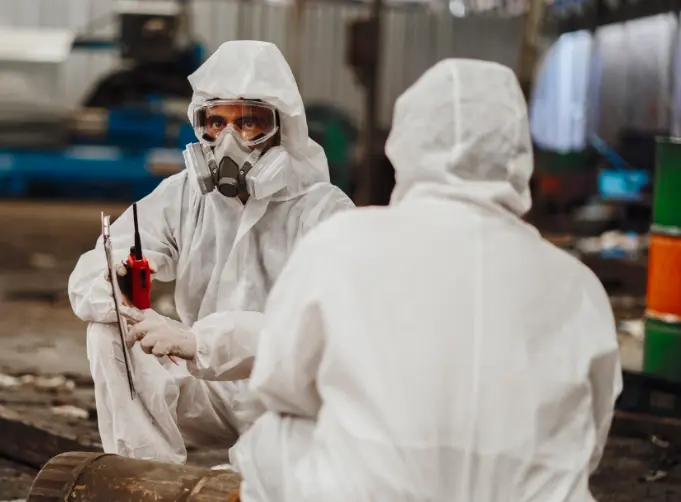
Professional biohazard cleanup provides protection that DIY methods cannot match. Professional teams use equipment designed specifically for biohazard situations, including industrial-grade cleaning solutions, extraction tools, and bio-washing systems.
Personal protective equipment provides comprehensive protection during cleanup. Trained technicians understand contamination types, health hazards, and proper procedures. Industry certifications demonstrate professional competency in hazardous waste handling.
Biohazardous waste requires professional disposal through approved methods. Contaminated materials are collected safely and transported for appropriate disposal according to regulations.
Certified Restoration’s Biohazard Services
Certified Restoration provides professional biohazard cleanup services in San Diego. The experienced team handles situations requiring specialized biohazard attention with expertise and efficiency.
Professional services cover everything from biohazard cleaning to crime scene cleanup. Comprehensive services address even the most complex situations in residential settings.
The company offers 24-hour emergency service for biohazard situations. Immediate response helps address contamination quickly. The team understands that biohazard emergencies require prompt professional attention.
Services include contaminated item removal through safe disposal of affected materials. Thorough sanitization provides complete cleaning of all impacted areas. The comprehensive approach ensures properties return to safe, healthy conditions.
For immediate help with biohazard situations, contact Certified Restoration to receive professional restoration services. Professional expertise protects health and property when biohazard contamination affects San Diego properties.
Frequently Asked Questions
What does biohazard cleanup involve?
Biohazard cleanup involves the specialized process of removing, cleaning, and sanitizing areas contaminated with blood, bodily fluids, or other potentially infectious materials. The process includes initial assessment, containment, removal of hazardous materials, bio-washing decontamination, deodorization, and final sanitization. Professional teams use specialized equipment and procedures that regular cleaning cannot provide.
What factors affect the biohazard cleanup process?
Several factors influence biohazard cleanup, including the severity of contamination, the size of the affected area, and the types of materials involved. More extensive contamination requires more thorough procedures. Larger spaces need more time and resources. Porous materials may require removal, while hard surfaces might be cleanable through specialized sanitization. Professional assessment determines the appropriate approach.
What is bio-washing in biohazard cleanup?
Bio-washing is a high-temperature, low-pressure steam cleaning process that thoroughly decontaminates affected areas. This specialized process eliminates contaminants at deep levels that standard cleaning methods cannot reach. The high-temperature steam kills bacteria and neutralizes hazardous substances embedded in materials, ensuring complete sanitization beyond surface cleaning.
Why can’t I handle biohazard cleanup myself?
Biohazard cleanup requires specialized equipment, protective gear, and professional training that property owners don’t typically have. Contaminated materials pose serious health risks, including exposure to harmful bacteria and substances. Professional teams use bio-washing systems and proper protective equipment and follow specific procedures to ensure complete decontamination. DIY attempts leave dangerous contamination that creates ongoing health threats.
What types of situations require biohazard cleanup?
Biohazard cleanup is necessary for crime scenes, undiscovered decomposition, trauma situations, death cleanup, home accidents involving biological materials, forensic investigation chemicals, hoarding situations, and animal remains cleanup. These situations involve contamination from blood, bodily fluids, or other hazardous biological materials that require professional decontamination.
How does Certified Restoration verify complete decontamination?
Certified Restoration performs a thorough inspection to ensure all contamination removal. The team can perform E. coli testing upon request to provide scientific verification that bacterial contamination has been eliminated. This testing gives property owners definitive proof that affected areas are safe for occupancy after biohazard cleanup.
Does biohazard cleanup include proper waste disposal?
Yes, professional biohazard cleanup includes proper disposal of contaminated materials through approved methods. Contaminated items get collected safely during cleanup and transported for appropriate disposal. Professional teams manage this process according to regulations to ensure safety and compliance. Property owners don’t need to arrange separate disposal services.
Disclaimer: This article is for general information ONLY and is not intended to be legal, medical, or scientific advice. The proper approach to each project must be determined on a case-by-case basis. Certified Restoration always recommends that you call a certified restoration professional, especially when there are children, the elderly, or individuals with health conditions residing in the property.